China's 'Artificial Sun' Shatters Fusion's Greenwald Density Limit, Opens Path to Ignition
Scientists using China's EAST tokamak achieved stable plasma at 1.65 times the density barrier that fusion researchers had treated as a hard ceiling for four decades.

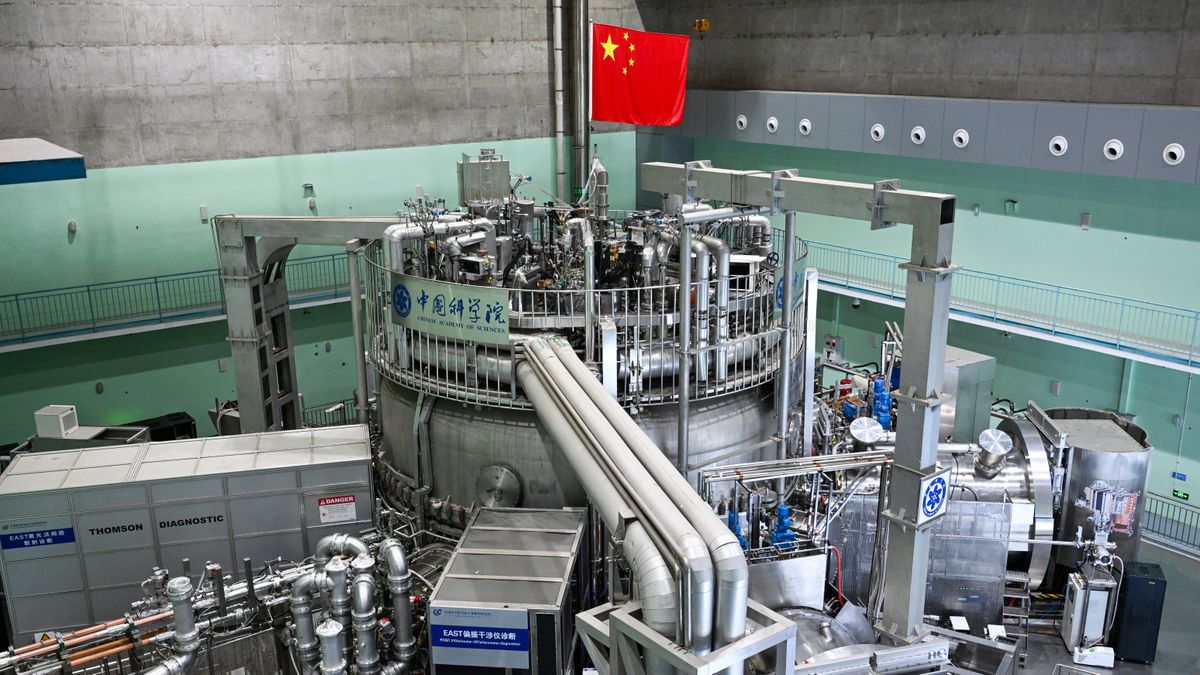
Chinese scientists have shattered one of nuclear fusion's most stubborn physical barriers, achieving stable plasma at densities far beyond what physicists had long believed possible and opening what researchers describe as a credible pathway toward the long-sought goal of fusion ignition. The team working with China's Experimental Advanced Superconducting Tokamak, or EAST — sometimes called the "artificial sun" — published their results in Science Advances in January 2026, describing experiments that pushed plasma density to between 1.3 and 1.65 times the so-called Greenwald Limit, the empirical ceiling beyond which fusion plasmas had typically collapsed into disruptive instability.
The Greenwald Limit, named after the MIT physicist Martin Greenwald who first quantified it in the 1980s, had long been treated as a practical ceiling on plasma density in tokamak reactors — donut-shaped magnetic confinement devices that use powerful magnetic fields to contain superheated plasma at temperatures exceeding 150 million degrees Celsius, roughly ten times hotter than the core of the Sun. Exceeding this limit had historically caused plasma disruptions — sudden losses of confinement that could damage reactor components and halt experiments. For decades, fusion researchers essentially designed their machines to operate at or below 80-100% of the Greenwald Limit, accepting it as a hard constraint.
The EAST team achieved what they describe as a "density-free regime" by combining careful control of the initial fuel gas pressure with electron cyclotron resonance heating during the plasma startup phase. This approach allowed them to optimize how plasma interacts with the inner walls of the device from the very beginning of each discharge, reducing impurity accumulation and energy losses that typically destabilize high-density plasmas. The result was plasma that remained stable and well-confined even at densities that conventional theory predicted would be catastrophically unstable.
The implications for fusion energy development are substantial. One of the key metrics that determines whether a fusion reactor can achieve "ignition" — the self-sustaining burning plasma that would represent a true energy source — is the triple product of plasma density, temperature, and confinement time. By unlocking higher density operation, the Chinese results suggest that future tokamaks may be able to achieve ignition conditions in smaller, less expensive devices than previously thought. The findings are directly relevant to both China's ambitious domestic fusion program and to international projects like ITER, the massive international experimental reactor under construction in France that aims to demonstrate the feasibility of fusion power at scale.
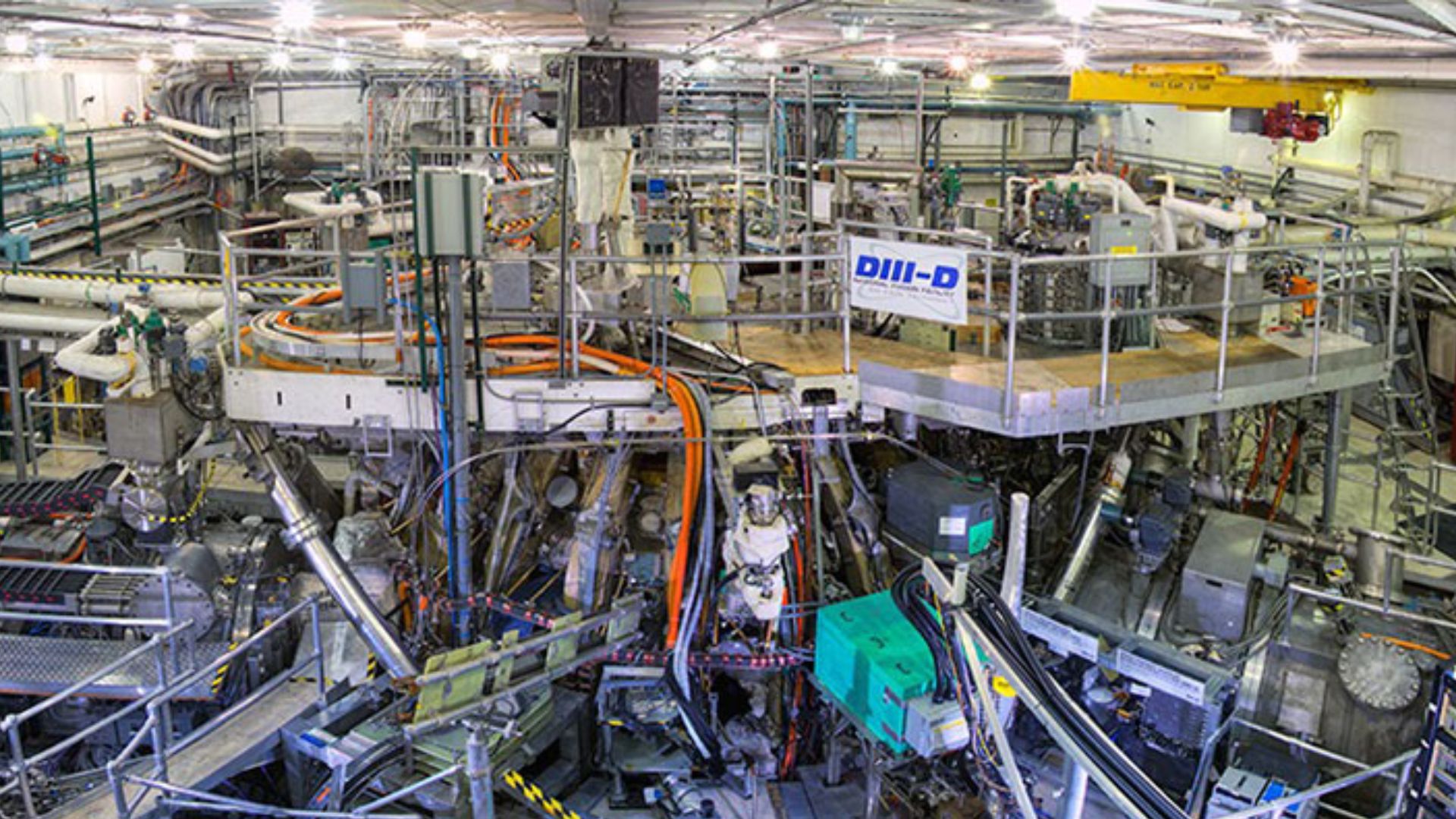
Western fusion researchers reacted to the Chinese results with a mixture of excitement and caution. While the results are published in a peer-reviewed journal and represent a genuine experimental achievement, experts note that replicating the technique in larger, hotter plasmas more relevant to power plant conditions will be essential. Princeton Plasma Physics Laboratory researchers, meanwhile, published complementary work showing that machine-learning algorithms can help maintain plasma stability at the edge conditions where disruptions typically begin — a finding that could work synergistically with the Chinese density breakthrough. Together, these advances represent the most significant progress in tokamak fusion research in years, coming at a moment when the global race for fusion energy has intensified dramatically, with private investment in fusion startups reaching record levels.