German Researchers Destroy 'Forever Chemicals' With Collapsing Bubbles and Cold Plasma
One method squeezes water through a constriction until imploding vapor bubbles hit thousands of degrees. The other floats PFAS to the surface on gas bubbles and burns them apart in plasma.
PFAS earned the name forever chemicals because the carbon-fluorine bond at their core is among the strongest in organic chemistry, which is why the compounds survive in soil and groundwater for decades and why filtering them out of drinking water only moves the problem into a spent filter. Researchers at the Helmholtz-Zentrum Dresden-Rossendorf have now demonstrated two ways to break the bond outright, and each attacks the molecule from a different direction.
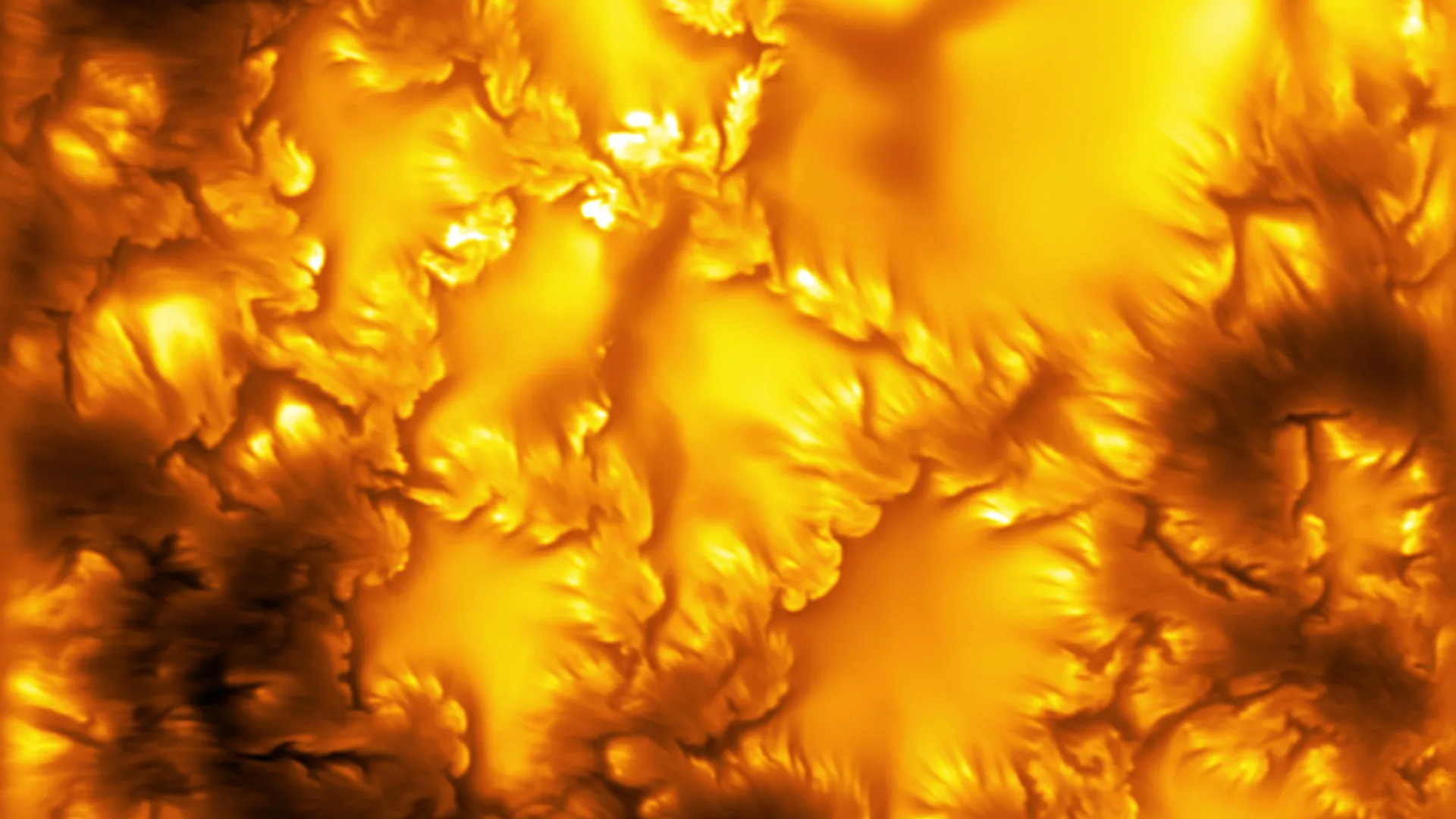
The first exploits hydrodynamic cavitation. Contaminated water is forced through a narrow constriction, which drops the pressure enough that the liquid boils into tiny vapor bubbles. Downstream, where the pressure recovers, those bubbles collapse violently. The implosion is brief and local but extreme: temperatures inside a collapsing bubble reach several thousand degrees Celsius, and the event throws off reactive hydroxyl radicals that continue chewing through the fragments left behind. In the team's tests, roughly 37% of dissolved PFOS, one of the most stubborn PFAS compounds, was degraded. The work was led by Dr. Ysabel Huaccallo-Aguilar and Dr. Sebastian Reinecke, who are targeting better than 80% degradation and the release of more than half the bound fluorine.
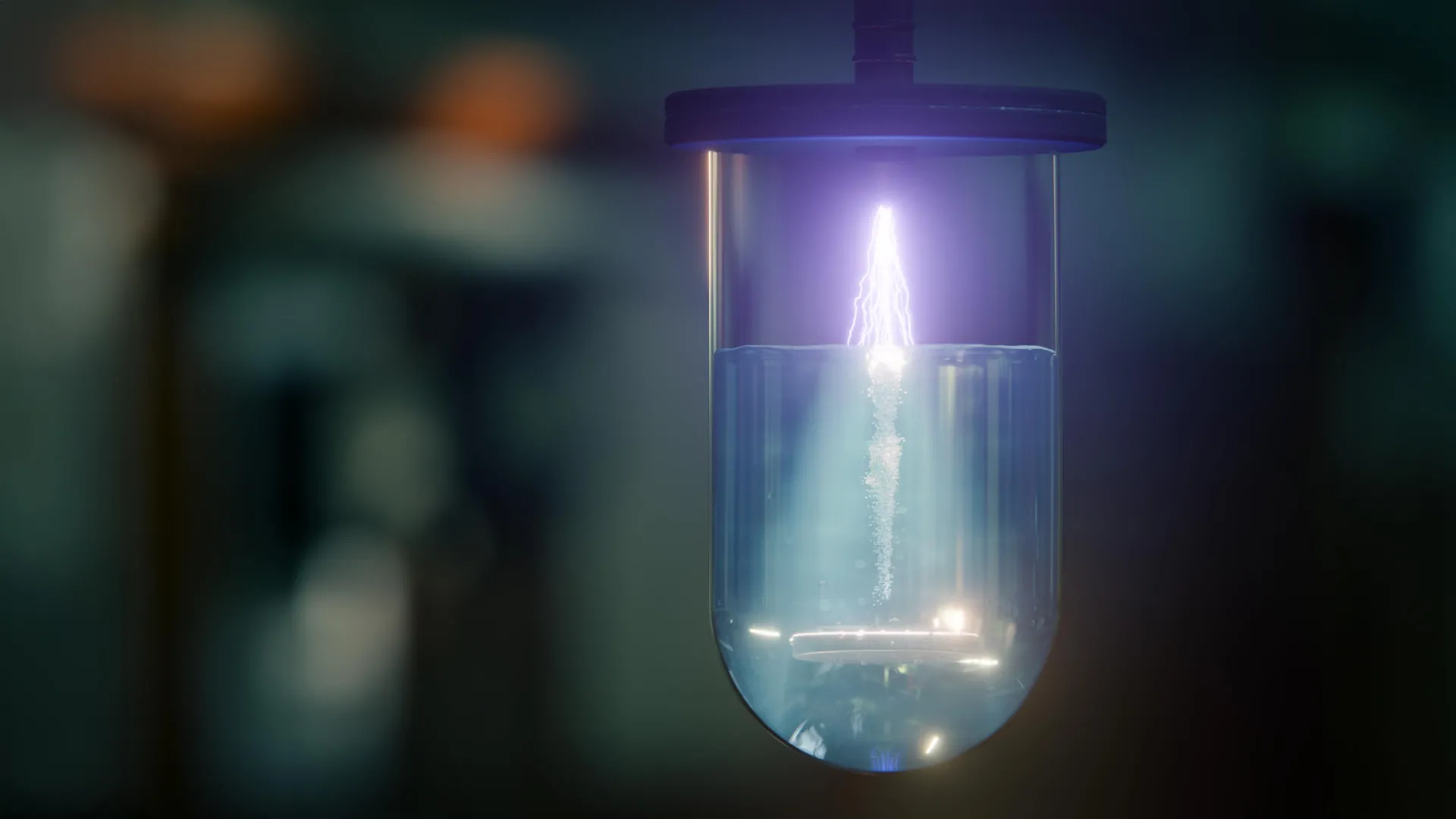
The second method, led by Dr. Amit Kumar, uses cold atmospheric plasma combined with gas dispersion. Plasma is generated at the surface of the water while gas bubbles are injected below. PFAS molecules are surfactants by nature, meaning they preferentially attach to the boundary between gas and liquid, so they cling to the rising bubbles and are delivered directly to the plasma layer where they are torn apart. This route degraded both long-chain and short-chain PFAS almost completely and released roughly 35% of the fluorine atoms as harmless fluoride salts. It also worked faster than cavitation.
Neither approach is finished. The plasma method consumes considerably more energy per unit volume of water treated, and it generates transformation products that the researchers say require further study before the technique could be scaled to a treatment plant. Cavitation is cheaper to run but currently destroys a minority of the PFOS in a single pass. The team's plan is to combine them in one system, using cavitation as a high-throughput first stage and plasma to finish the residual short-chain compounds that conventional processes handle worst.
The distinction that matters in this field is between removal and destruction. Granular activated carbon and ion-exchange resins, the standard tools at municipal utilities, concentrate PFAS rather than eliminate them, leaving a saturated medium that must be incinerated at high temperature or landfilled. Regulators in the United States and Europe have tightened limits on PFAS in drinking water to the low parts-per-trillion, a threshold that makes the disposal problem larger, not smaller, because more material gets captured.
Short-chain PFAS have been the particular difficulty. They were introduced as replacements for the long-chain compounds that were phased out, and they are more mobile in water and less well retained by carbon filters. A method that mineralizes them into fluoride would change what a treatment train has to look like.