An Invisible 'Forever Chemical' Rain Is Falling Worldwide, Traced to Refrigerants
A Lancaster University study estimates more than 335,000 tonnes of the persistent pollutant TFA were deposited globally from 2000 to 2022, much of it from CFC replacements.
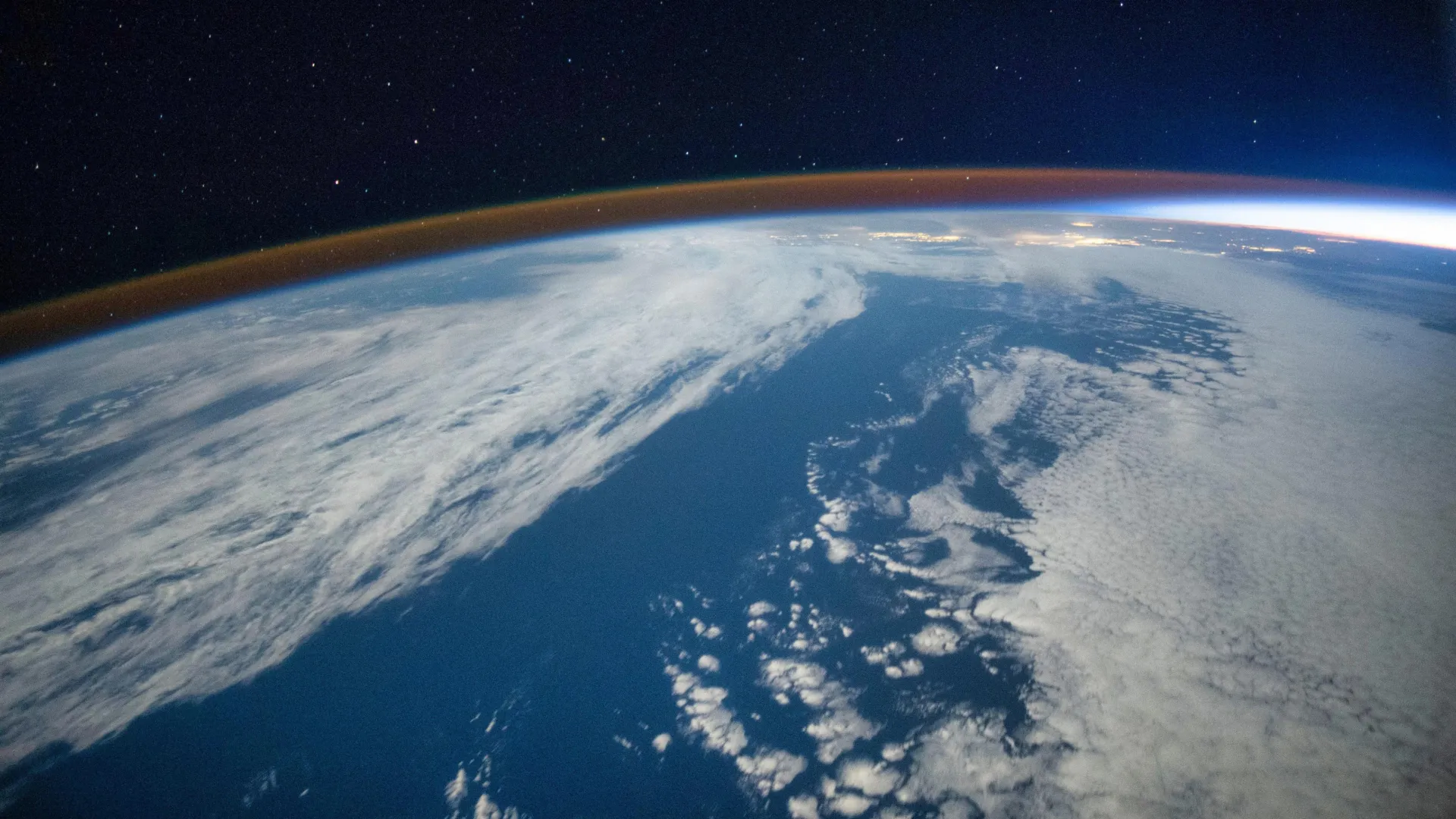
A persistent "forever chemical" is raining down across the planet in steadily rising amounts, and much of it traces back to the very refrigerants adopted to repair the ozone layer and curb climate change, according to a new study from Lancaster University.
The chemical, trifluoroacetic acid or TFA, belongs to the sprawling family of per- and polyfluoroalkyl substances known as PFAS, compounds prized for their stability and notorious for resisting environmental breakdown. Researchers estimate that more than 335,500 tonnes of TFA were deposited globally between 2000 and 2022, and they project that annual production will peak somewhere between 2025 and 2100 as use of the source chemicals continues.
The study, published in the journal Geophysical Research Letters and led by Lancaster researcher Lucy Hart, points to the chemicals that replaced ozone-depleting CFCs as a dominant source. Hydrochlorofluorocarbons and hydrofluorocarbons used in refrigeration and air conditioning, along with some inhalation anesthetics, break down in the atmosphere to form TFA, which then falls back to the surface in rain and snow. Newer HFO refrigerants increasingly used in vehicle air conditioning are an emerging contributor. "CFC replacements are likely to be the dominant atmospheric source of TFA," the researchers found.
Strikingly, the team reported that nearly all the TFA accumulating in the remote Arctic originates from these CFC-replacement chemicals — evidence of how thoroughly the pollutant has spread to even the most isolated corners of the globe. Because TFA is highly mobile and effectively does not degrade, it accumulates in water and soil over time, building up across decades.
The health and environmental implications are still being assessed. The European Chemicals Agency classifies TFA as harmful to aquatic life, and the compound has already been detected in human blood and urine. Germany's Federal Office for Chemicals has proposed classifying TFA as potentially toxic to human reproduction, though scientists caution that measured levels currently remain below known thresholds for harm.
The findings highlight an uncomfortable pattern in environmental policy: substitutes introduced to solve one problem can create another. The CFCs phased out under the Montreal Protocol were replaced precisely because they destroyed stratospheric ozone, yet their successors are now seeding a long-lived pollutant into rainfall worldwide. As regulators weigh tighter controls on PFAS, the study adds urgency to questions about what happens to chemicals released into the atmosphere — and how to ensure the next generation of refrigerants does not leave a similarly indelible mark on the planet.