Scientists Engineer Algae to Remove Microplastics From Drinking Water
Researchers created algae that produce orange-scented oil to grab microscopic plastic pollution like a magnet. The algae also clean wastewater while growing.
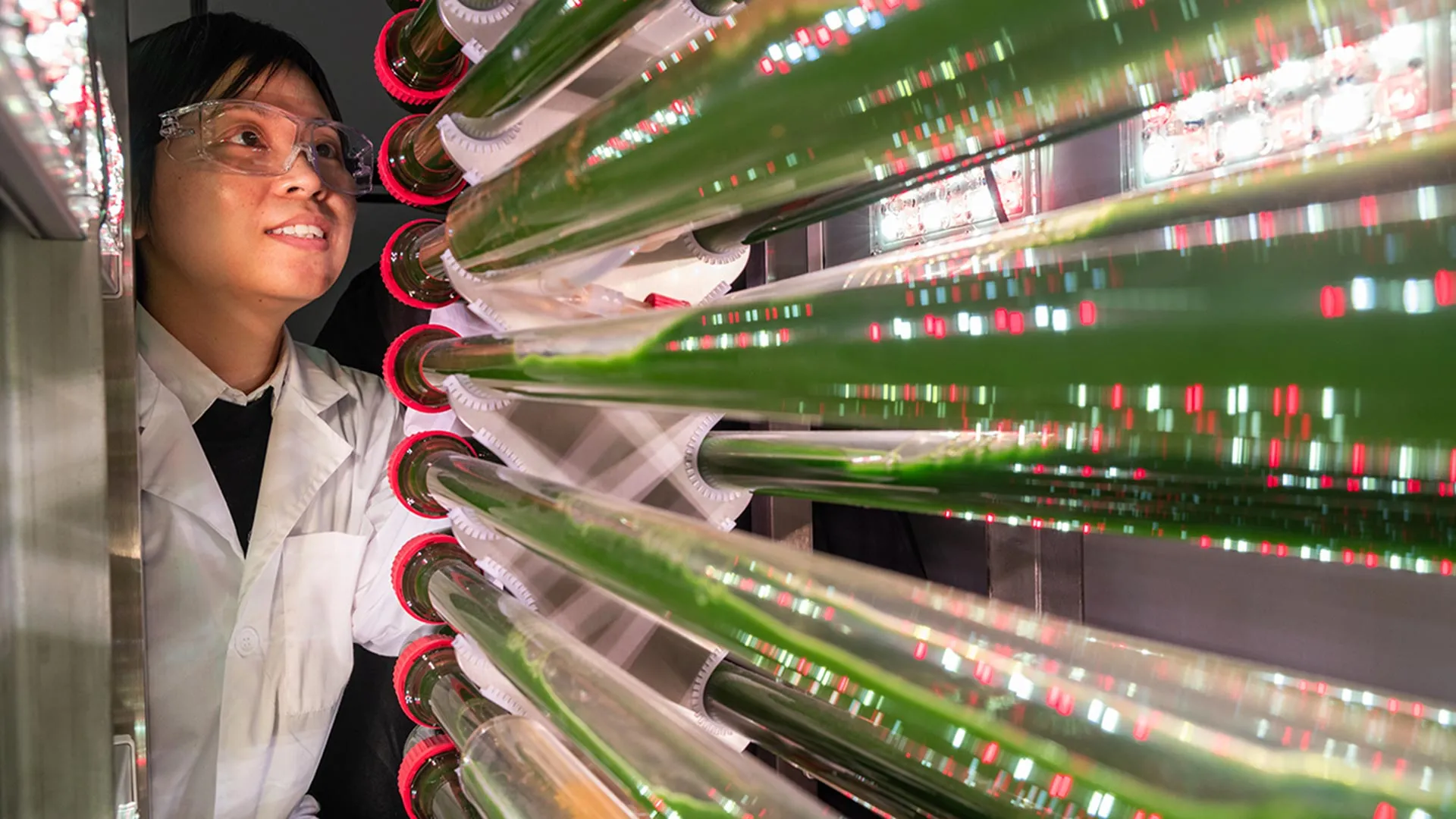
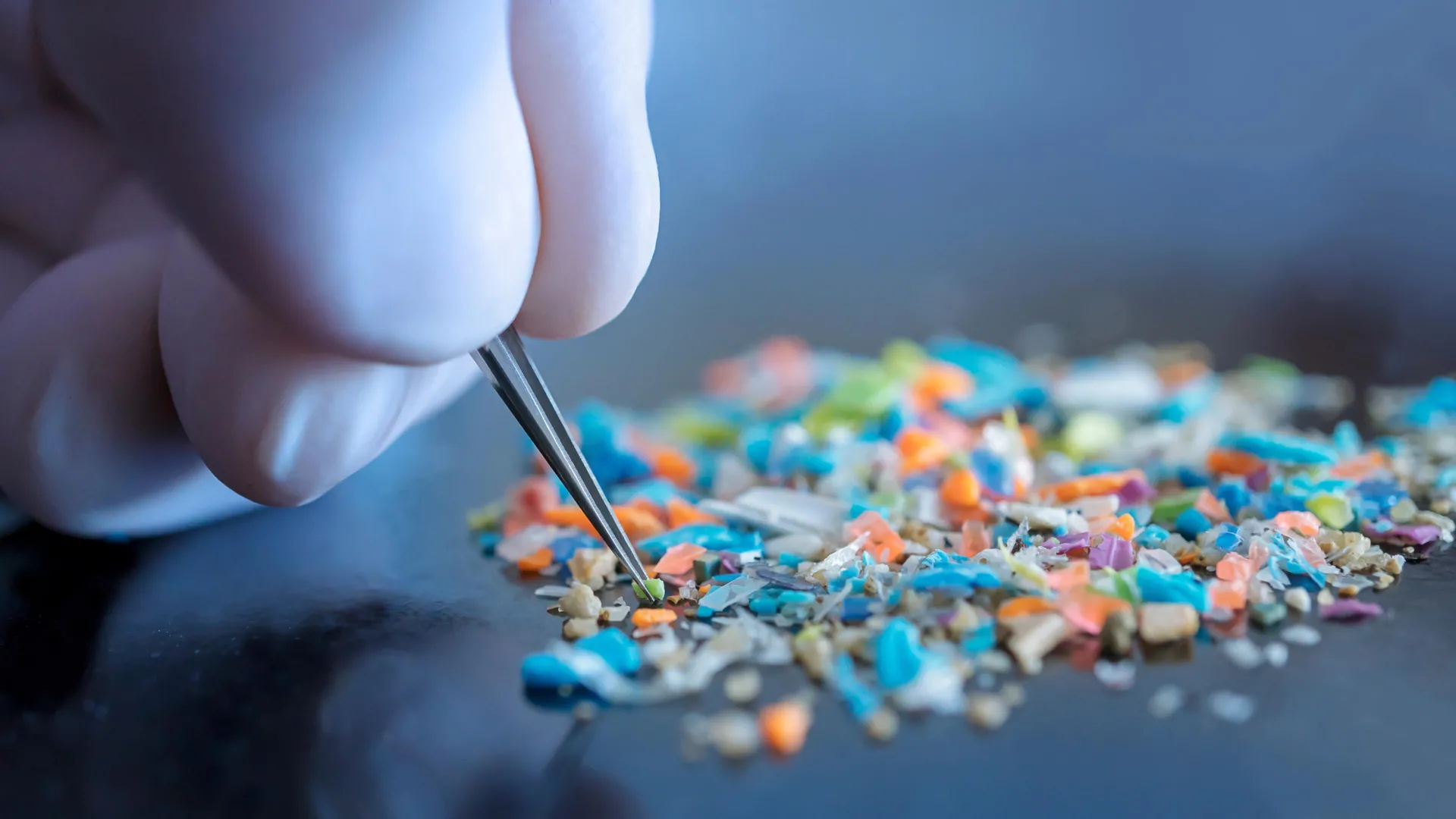
Researchers at the University of Missouri have developed an innovative approach to combat microplastic pollution by engineering algae that can capture and remove tiny plastic particles from contaminated water. The modified algae produce limonene, the natural oil responsible for oranges' distinctive scent, which changes the algae's surface properties to make them water-repellent. Since microplastics share this water-repelling characteristic, the plastic particles naturally stick to the engineered algae when they encounter each other in water, forming clumps that sink and can be easily collected.
The technology addresses a growing environmental crisis as microplastics have been found virtually everywhere in the environment, from remote lakes and rivers to the fish that humans consume. Current wastewater treatment facilities can only remove large plastic debris, leaving microscopic particles to pass through and contaminate drinking water supplies. Professor Susie Dai, who led the research team, emphasized that these tiny pollutants are so small they slip through existing filtration systems and end up harming ecosystems while potentially affecting human health.
The engineered algae offer multiple environmental benefits beyond microplastic removal. As they grow in wastewater, they simultaneously absorb excess nutrients that would otherwise contribute to water pollution and algae blooms. This dual-purpose approach means the technology can help clean water while also addressing nutrient pollution, making wastewater treatment more efficient and environmentally friendly. The algae essentially perform three functions: capturing microplastics, cleaning wastewater, and potentially creating useful bioplastic products from the collected materials.
Dai's laboratory has already demonstrated the feasibility of scaling up algae cultivation using large tank bioreactors. One system, nicknamed "Shrek," currently processes industrial flue gas as part of air pollution reduction efforts. The team plans to develop larger versions of this technology that could be integrated into existing wastewater treatment plants, allowing cities to enhance their water cleaning capabilities while reducing plastic pollution and creating valuable products from waste materials.
The research represents a significant step toward addressing the microplastics crisis through biological solutions rather than purely mechanical filtration methods. By harnessing the natural properties of algae and enhancing them through genetic engineering, the scientists have created a system that works with natural processes rather than against them. The study, published in Nature Communications, suggests that this approach could eventually be adapted to remove other types of pollutants and integrated into municipal water treatment systems worldwide.