Scientists Discover Lab Gloves May Be Contaminating Microplastics Research Data
University of Michigan study finds common nitrile and latex gloves release particles that closely resemble microplastics during testing.
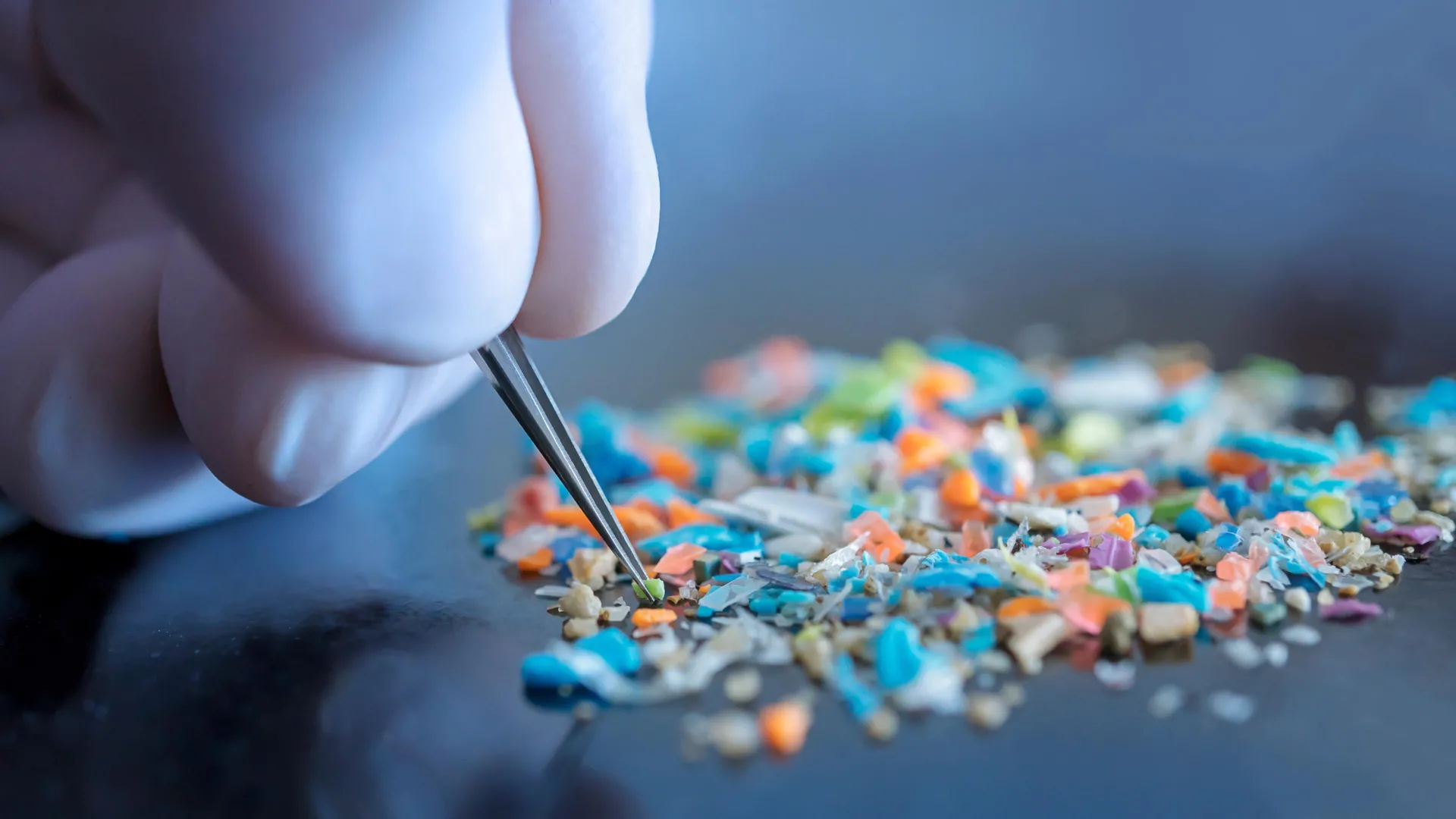
Scientists at the University of Michigan have discovered that the disposable nitrile and latex gloves universally worn by researchers studying microplastic pollution may themselves be releasing plastic particles that contaminate samples and have been inflating pollution measurements in studies around the world.
The finding, published in Environmental Science and Technology Letters, could force a reexamination of a significant portion of the microplastics literature, which has expanded rapidly over the past decade as concern about plastic pollution in oceans, freshwater, soils, and human tissue has grown. The study found that nitrile gloves shed an average of 2,400 particles per pair during normal handling procedures, with particles ranging from 1 to 20 micrometers in diameter — well within the size range of microplastics typically measured in environmental samples.
The researchers tested nine brands of nitrile gloves and four brands of latex gloves from major laboratory suppliers, including brands used in the majority of published microplastics studies. All released particles when handled in ways consistent with typical laboratory sample preparation, including when used to handle water samples, filter membranes, and dissection tools. Latex gloves shed fewer particles on average than nitrile, but the difference was not statistically significant across all brands.
The contamination problem was identified when researchers noticed that blank control samples — prepared in the same way as real environmental samples but containing no environmental material — consistently showed elevated microplastic counts when handled with gloves compared to stainless steel forceps or clean-room handling protocols. The team quantified the glove contribution and found it was large enough to meaningfully inflate pollution measurements in studies of relatively clean environments such as remote Arctic snow, deep ocean sediment, and pristine freshwater sources.
The researchers stressed that the finding did not invalidate the broader scientific conclusion that microplastic pollution is widespread and growing — contamination from highly polluted environments far exceeds the contribution from lab gloves. But they said studies reporting very low concentrations in remote areas and studies examining human tissue and blood samples should be treated with particular caution until the field develops and adopts standardized contamination control protocols. They called for journal editors to require authors to report glove type and handling procedures as standard metadata in all microplastics studies.