Scientists Engineer Algae With Magnetic-Like Properties to Capture Microplastics From Water
Researchers created algae that produce orange-scented limonene oil, allowing them to bind with water-repelling microplastics and form easily removable clumps.
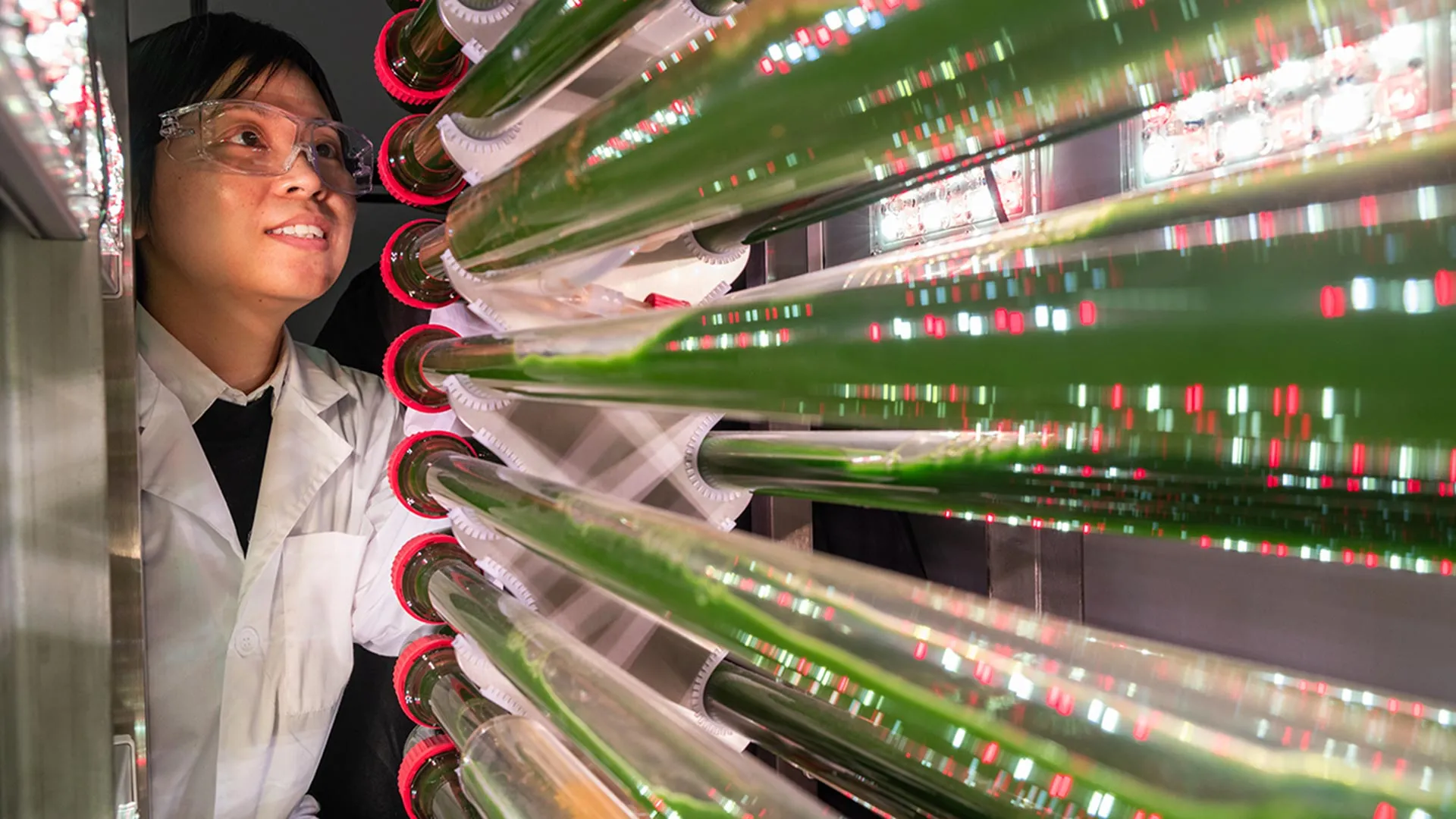
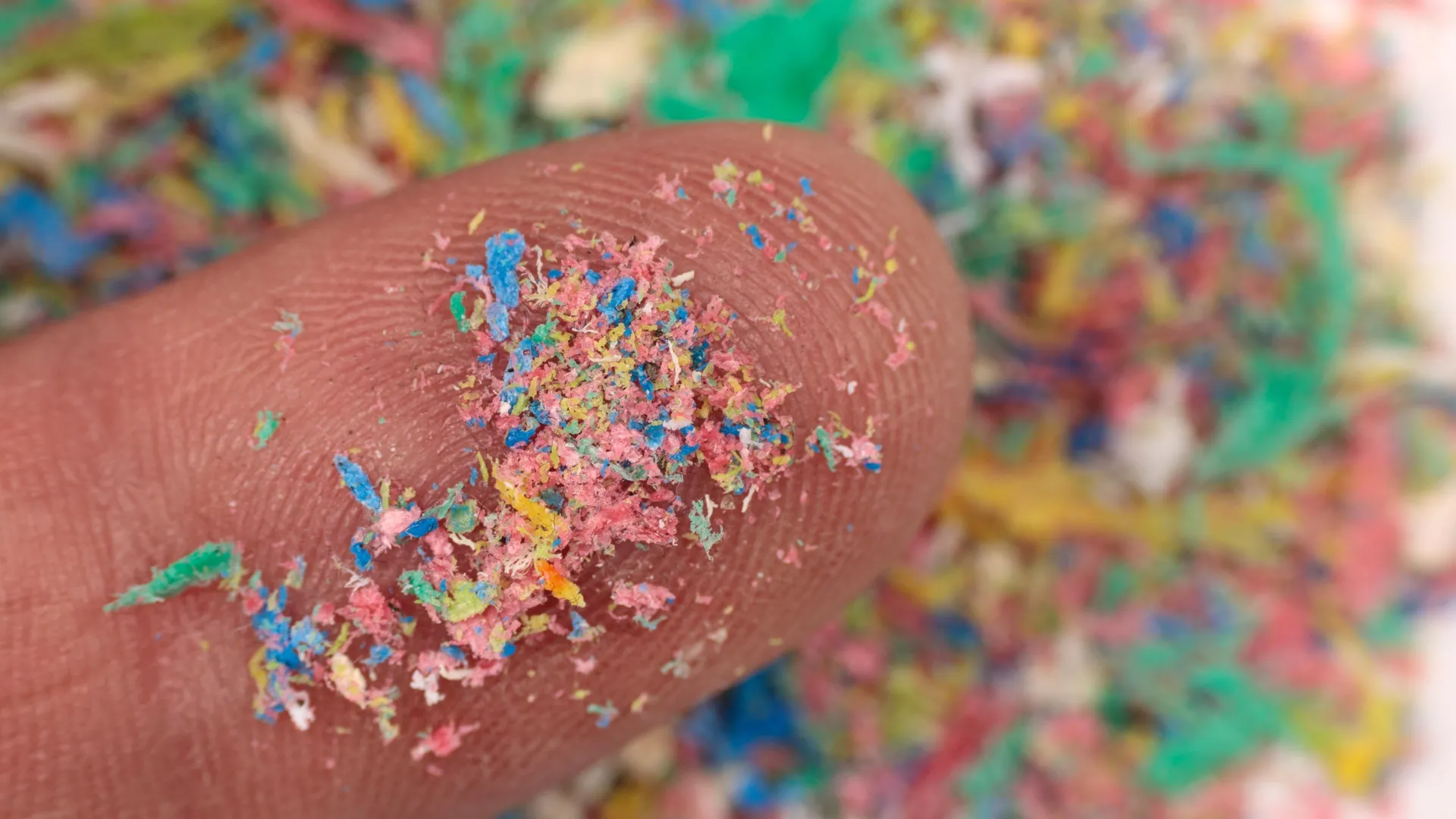
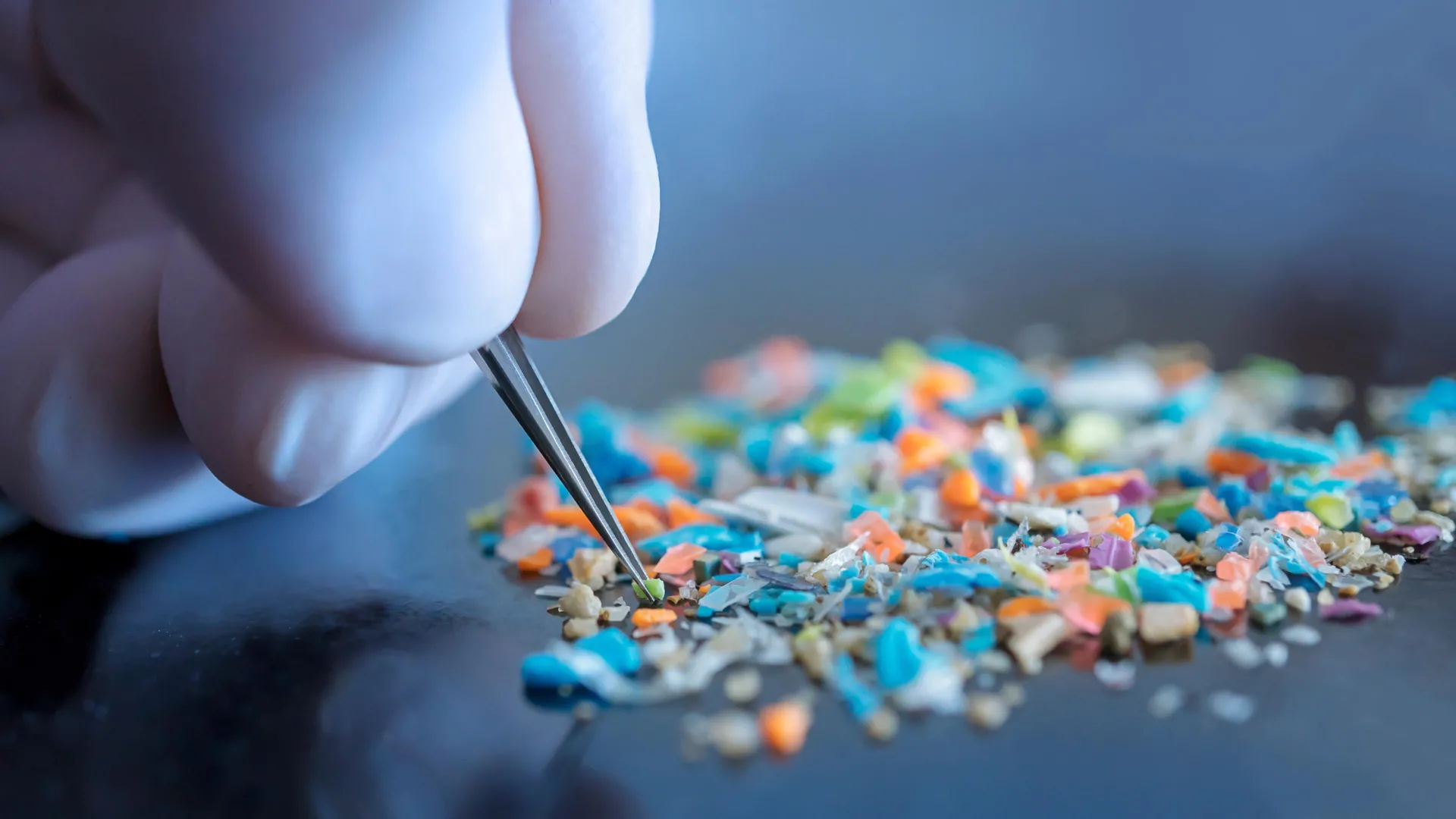
Researchers at the University of Missouri have developed a groundbreaking approach to removing microplastic pollution from water using genetically engineered algae that acts like a biological magnet for tiny plastic particles. The innovative technique involves modifying algae to produce limonene, the natural oil responsible for orange scent, which changes the algae's surface properties to make it water-repellent. Since microplastics are also water-repelling, the particles naturally stick to the modified algae when they encounter each other in contaminated water, forming dense clumps that sink to the bottom for easy collection and removal.
Professor Susie Dai, who leads the research team at the College of Engineering and Bond Life Sciences Center, explained that current wastewater treatment plants can only remove large plastic particles, while microscopic plastics slip through filtration systems and end up in drinking water supplies. Microplastics have been detected in virtually every environment on Earth, including ponds, lakes, rivers, and even the fish that people consume regularly. The engineered algae system represents a significant advance in addressing this pervasive pollution problem.
The modified algae provide multiple environmental benefits beyond microplastic removal, as they simultaneously absorb excess nutrients from wastewater while growing and reproducing. This dual function allows the system to clean water pollution while producing biomass that can potentially be harvested for other uses. Dai's long-term vision includes recycling the collected microplastics into safer bioplastic materials and composite plastic films, creating a circular economy approach that transforms pollution into useful products.
The research team has already demonstrated the concept in laboratory settings and is working toward scaling up the technology for real-world applications. Dai's laboratory operates large tank bioreactors, including a 100-liter system nicknamed "Shrek" currently used for processing industrial flue gas to reduce air pollution. She hopes to develop larger versions of these systems that could eventually be integrated into existing wastewater treatment plants to enhance their ability to remove microplastics and other pollutants.
The study, published in Nature Communications, represents part of a broader strategy to use biological systems for environmental remediation. By tackling microplastic pollution, wastewater treatment, and bioplastic production simultaneously, the approach offers a comprehensive solution to multiple environmental challenges. The technology could be particularly valuable for cities seeking to improve their water treatment capabilities while creating economic value from waste materials.