Kitchen Sponges Release Millions of Microplastics During Everyday Dishwashing
Study finds sponges shed measurable plastic particles as they wear down, but water consumption remains the bigger environmental concern.
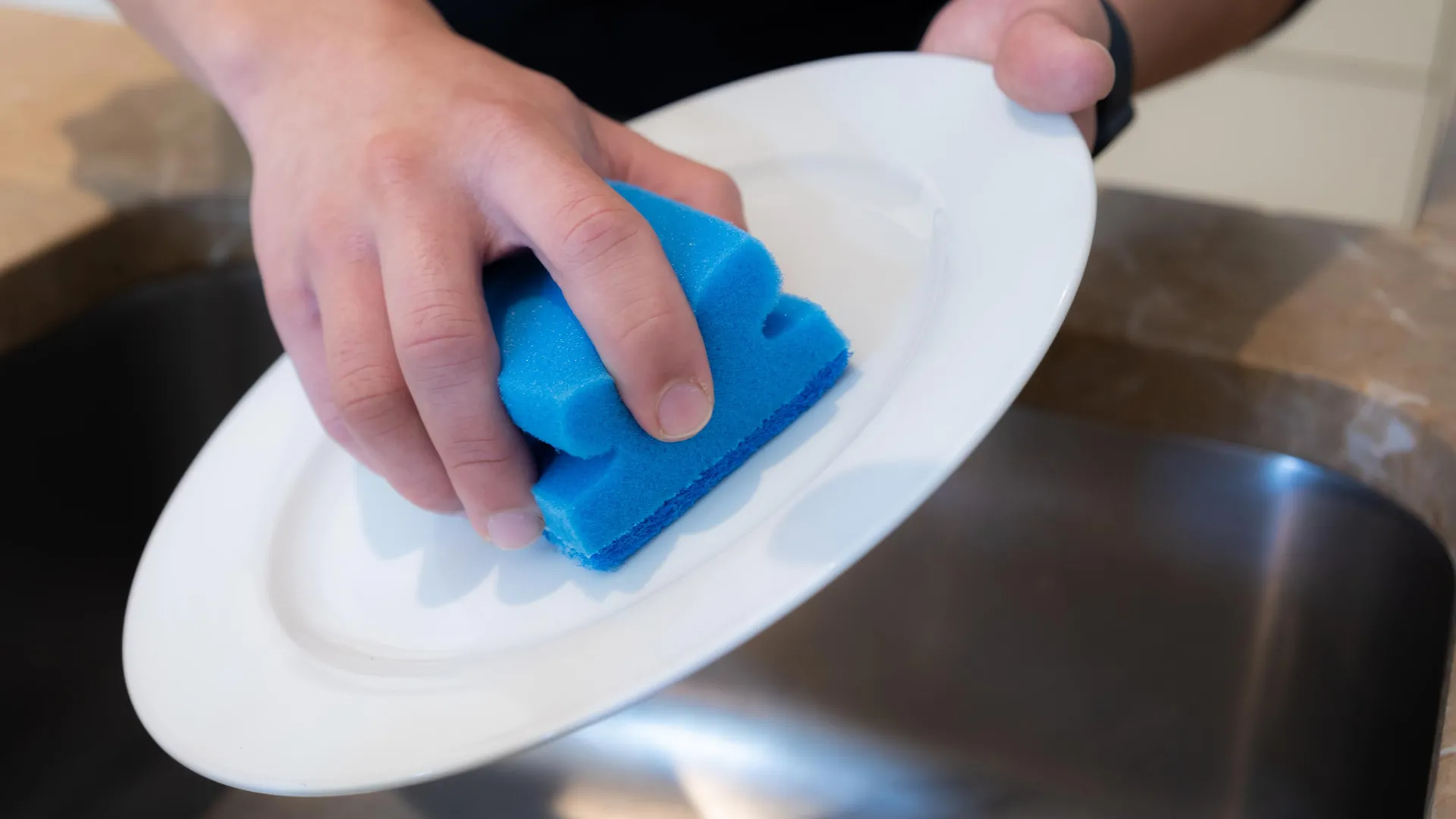
A new study led by researchers at the University of Bonn has revealed that kitchen sponges are releasing microplastics into the environment every time people wash dishes, with some sponge types shedding far more plastic particles than others. The research combined laboratory testing with citizen science to measure how much plastic material is lost as sponges wear down during normal household use. While the findings show that sponges do contribute to microplastic pollution, the study also found that water consumption accounts for the vast majority of environmental impact from hand washing dishes.
To gather realistic data, researchers examined social grooming behavior in 24 groups and enlisted households in Germany and North America to use one of three sponge types as part of their regular dishwashing routines while documenting usage patterns. Participants weighed each sponge before and after use to determine material loss over time. The team also conducted controlled laboratory experiments using an automated testing system called "SpongeBot" that reproduces the mechanical stress sponges experience during dishwashing.
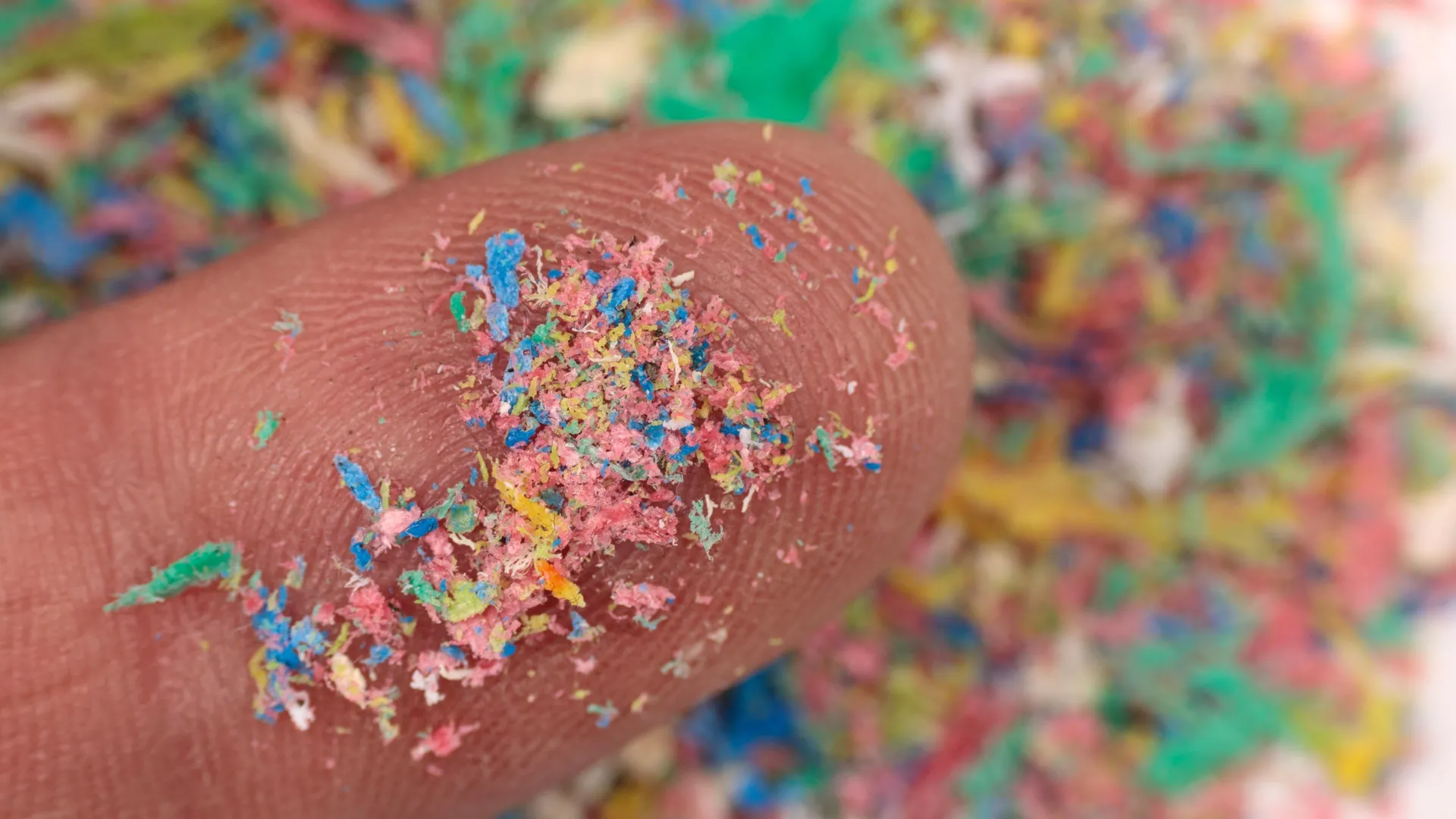
The study found that every sponge tested lost material during use, resulting in microplastic release. Depending on the sponge type, annual emissions ranged from about 0.68 grams to 4.21 grams of microplastics per person. Sponges made with lower amounts of plastic content released significantly fewer particles than those with higher plastic composition. The citizen science component proved crucial because participants used sponges under real household conditions, capturing realistic dishwashing habits and usage patterns more accurately than laboratory testing alone.
When scaled up to national levels, the totals become substantial. The researchers estimated that if a particular high-emission sponge type were used in every German household, annual microplastic emissions could reach as much as 355 tonnes. Although wastewater treatment plants capture a large share of these particles, several tonnes could still enter rivers, lakes, oceans, and soils each year. This represents a previously unrecognized source of microplastic pollution from everyday household activities.
Despite the measurable microplastic emissions, the environmental assessment revealed that water consumption remains the primary driver of environmental impact from manual dishwashing. Approximately 85 to 97 percent of the total environmental footprint comes from water consumption rather than the plastic particles released by sponges. This finding suggests that while reducing sponge microplastic emissions is beneficial, efforts to minimize the environmental impact of dishwashing should focus primarily on water conservation strategies and choosing more efficient cleaning methods.