Plant Believed Extinct for 60 Years Rediscovered Through Smartphone Photo
Bird bander's casual iNaturalist upload leads to identification of rare Ptilotus senarius, proving citizen science's growing importance in biodiversity research.
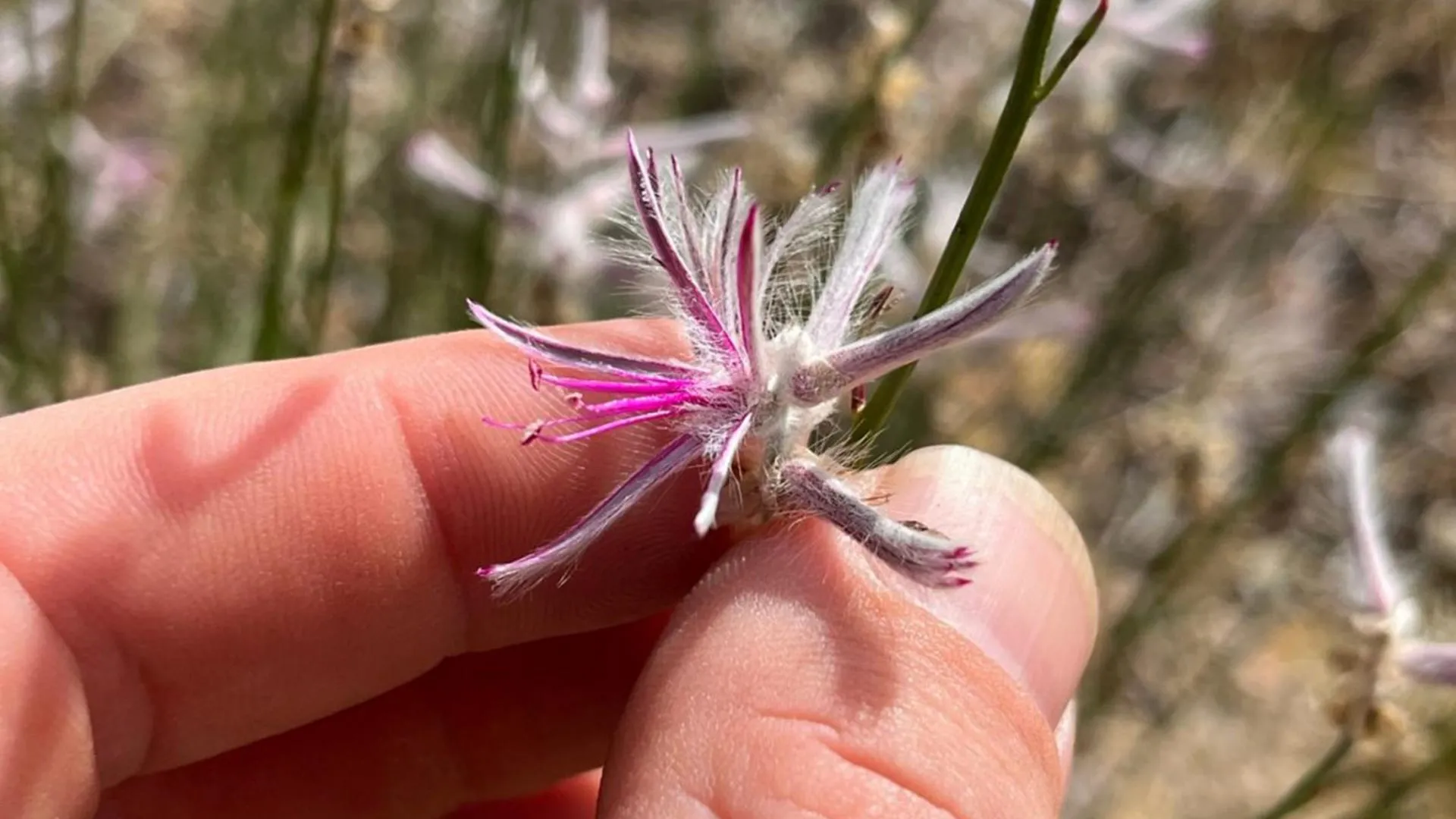
A plant thought to have vanished from the wild nearly 60 years ago has been rediscovered in remote northern Australia, thanks to a chance photograph uploaded to the citizen science platform iNaturalist. The remarkable find highlights how ordinary people with smartphones are quietly transforming biodiversity research and conservation efforts around the world.
The discovery began when Aaron Bean, a professional horticulturalist working on bird banding in Queensland's outback, noticed an unusual shrub and photographed it during his fieldwork. After regaining phone service, he uploaded the images to iNaturalist, a platform where millions of nature observations are shared and identified by both amateur enthusiasts and professional scientists.
Botanist Anthony Bean from the Queensland Herbarium immediately recognized the species as Ptilotus senarius when he encountered the photos among the platform's vast collection of observations. The rare plant, featuring delicate purple-pink flowers that resemble small feathered fireworks, had not been documented since 1967 and was widely considered extinct in the wild. Remarkably, Anthony Bean had actually described the species himself a decade earlier.
Thomas Mesaglio from the UNSW School of Biological, Earth and Environmental Sciences, who documented the rediscovery for the Australian Journal of Botany, called the find "very serendipitous." The combination of Aaron Bean's photography skills, Anthony Bean's taxonomic expertise, and cooperation from the property owner allowed researchers to collect specimens and confirm the species' survival.
The rediscovery represents a growing trend in which citizen scientists are making crucial contributions to biodiversity research. Australia's enormous size and rich biodiversity make it impossible for professional scientists to survey every region, particularly remote areas where access is difficult. Platforms like iNaturalist are filling this gap by harnessing the collective power of nature enthusiasts, hikers, and field workers who encounter rare species during their daily activities. Rather than being classified as extinct, Ptilotus senarius has now been moved to the critically endangered list, allowing conservation groups to focus resources on protecting this remarkable survivor.