Venomous Himalayan Pit Viper Was Actually Five Different Species All Along
Scientists discovered the mysterious Asian snake represents five distinct evolutionary lineages, including three completely unknown to science until now.

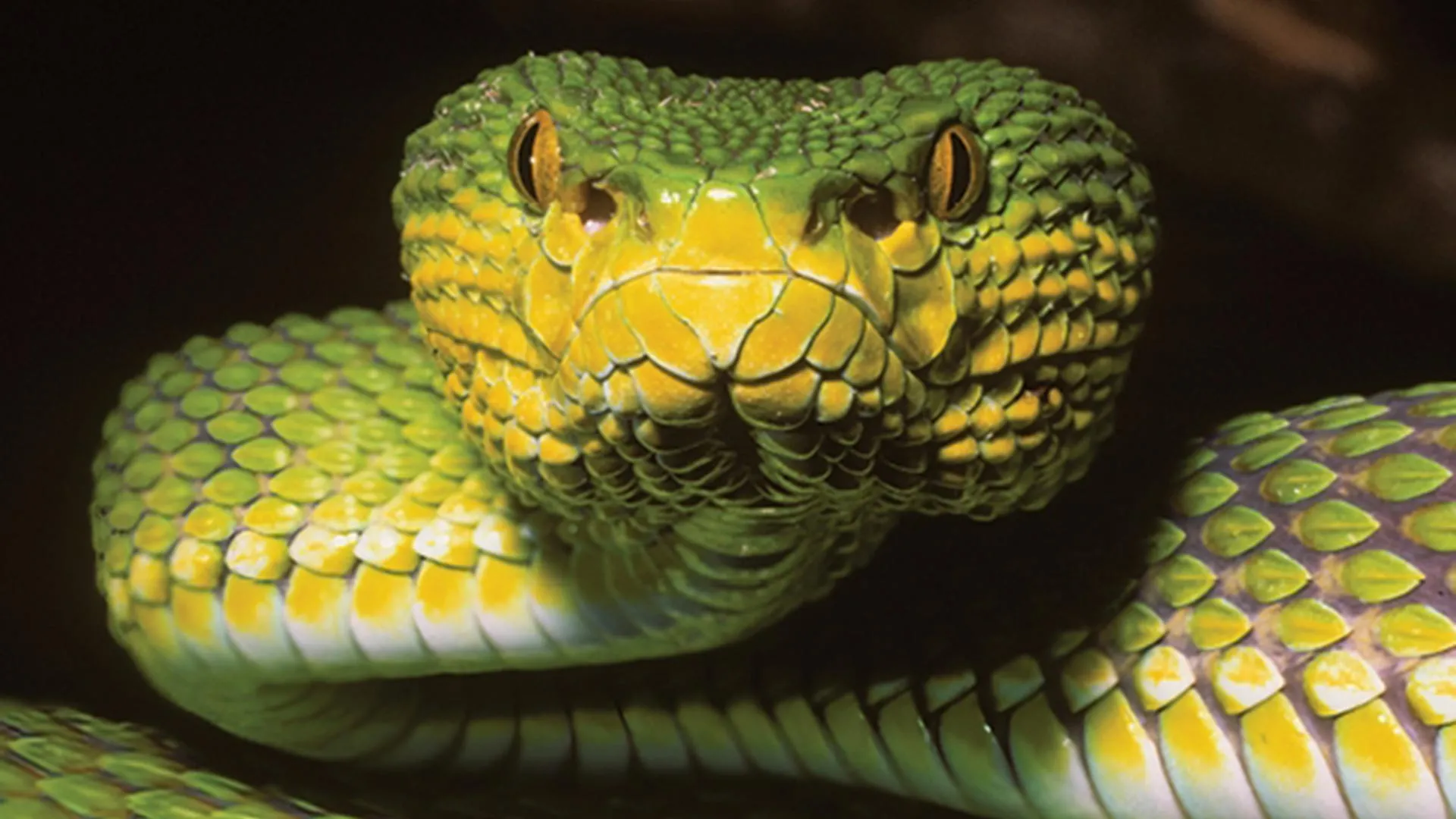
Hidden in the towering mountains of Asia for over 160 years, one of the region's most mysterious venomous snakes has been keeping a major evolutionary secret. An international team of scientists has discovered that the Himalayan pit viper, long believed to be a single widespread species, actually represents five separate species, including three previously unknown to science.
The findings, published in the open access journal ZooKeys, emerged from a comprehensive study combining modern genetic analysis with skeletal studies, physical characteristics, and ecological observations. Researchers reexamined specimens of the snake, first described in 1864, and found that what appeared to be geographic variations were actually deeply distinct evolutionary lineages that had diverged millions of years ago.
The study identified five species-level lineages in total: the Himalayan pit viper in its strict scientific sense, Gloydius chambensis described in 2022, and three newly recognized species found in different regions of Pakistan and Nepal. Along with clear genetic differences, the snakes showed distinct skeletal structures and physical traits that had been overlooked by previous taxonomic studies. The research highlights how much biodiversity remains undiscovered in some of the world's most remote mountain regions.
One of the most important aspects of the research involved analyzing DNA extracted from historical museum specimens collected during the 19th and early 20th centuries. Among these was the original type specimen of the Himalayan pit viper, which helped researchers confirm the snake's true scientific identity after more than a century of taxonomic confusion. The study demonstrates the lasting value of natural history collections, where specimens gathered by explorers generations ago continue providing crucial scientific insights.
"Museum specimens are not just records of the past. They are active research tools and essential infrastructure for future science," says Sylvia Hofmann from the Museum Koenig as part of the Leibniz Institute for the Analysis of Biodiversity Change. "Some of the key evidence had been sitting in museum collections for more than a hundred years. We just didn't have the tools to recognize it." The discovery underscores how advances in genetic analysis continue to reveal hidden biodiversity in regions where traditional fieldwork remains challenging due to remote locations and difficult terrain.