New Pitviper Species in Myanmar Baffles Scientists With Shape-Shifting Appearance
The Ayeyarwady pit viper seems to blur species definitions by looking like multiple different snakes at once, challenging traditional classification methods.
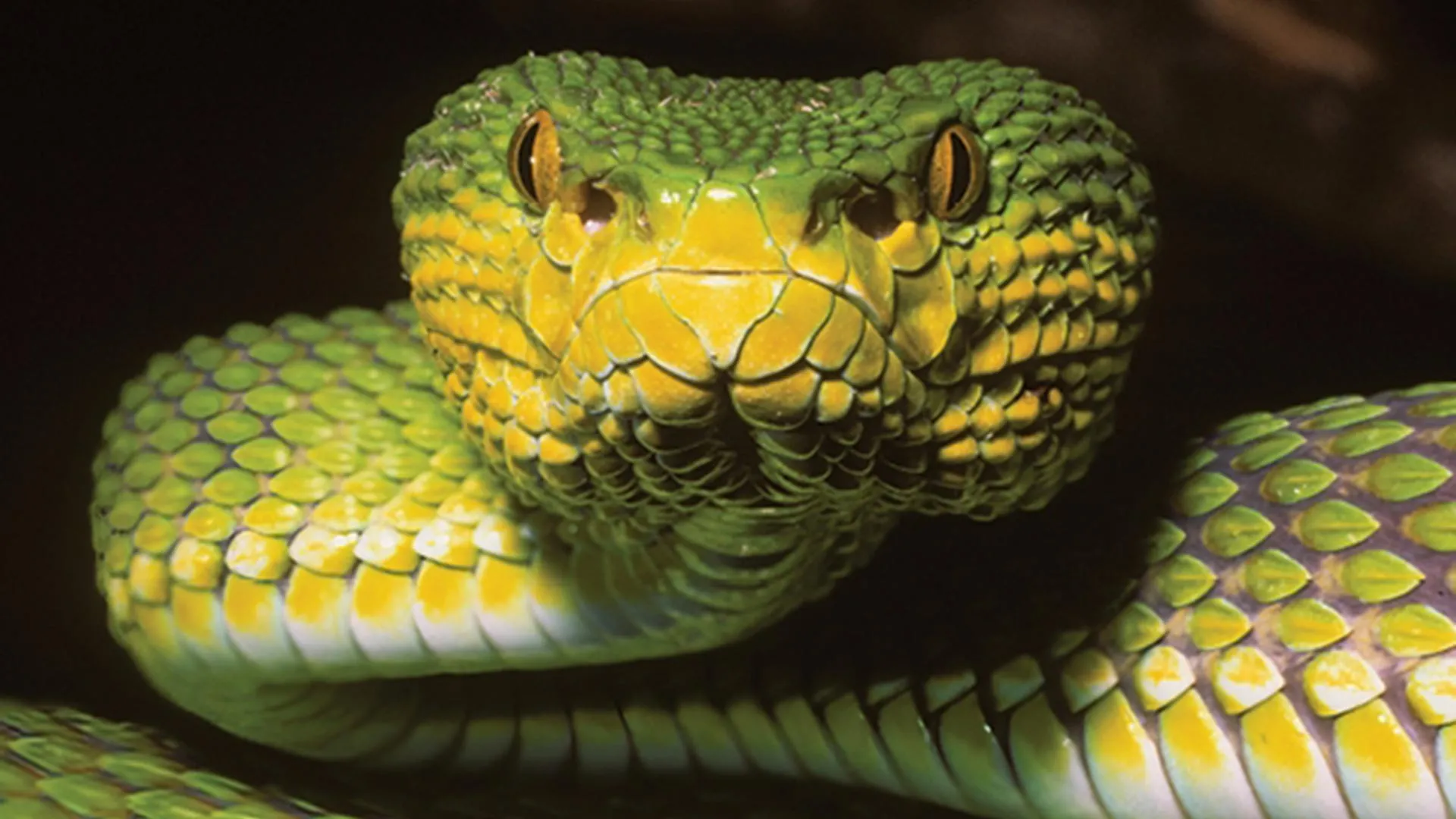
Scientists have discovered a remarkable new species of pit viper in Myanmar that challenges fundamental concepts about how species are defined and identified. The Ayeyarwady pit viper, named Trimeresurus ayeyarwadyensis, initially puzzled researchers because it appears to simultaneously resemble multiple existing species, sometimes looking like one, sometimes another, and occasionally displaying characteristics of both.
The discovery, led by herpetologist Dr. Chan Kin Onn and published in the open-access journal ZooKeys, emerged from an earlier genomic study that had indicated these snakes represented a separate evolutionary lineage. Initially suspected to be a hybrid population between two known species, genetic analysis revealed something far more intriguing: an entirely distinct species with highly variable physical characteristics.
The snake's closest relatives provided the context for understanding its unusual appearance. The redtail pit viper, found along Myanmar's northern coast, is consistently bright green with no body markings. The mangrove pit viper from southern Myanmar usually displays dark blotches and can appear gray, yellow, brown, or black, but never green. Between these two ranges, in central Myanmar, researchers found the new species displaying a confusing array of characteristics.
"This mysterious population in central Myanmar baffled us and we initially thought that it could be a hybrid population," the researchers explained. However, the genomic analysis demonstrated that these snakes were not hybrids but represented a distinct evolutionary branch. Some populations of the new species are dark green with obvious blotches, making them distinguishable from the unmarked redtail pit viper, while others are bright green and lack blotches, making them nearly identical to their northern relatives.
The discovery highlights the complexity of species identification in nature, where clear boundaries between different organisms don't always exist. "Asian pit vipers of the genus Trimeresurus are notoriously difficult to tell apart, because they run the gamut of morphological variation," the researchers noted. The finding suggests that at some point in evolutionary history, the Ayeyarwady pit viper may have exchanged genes with both neighboring species, resulting in its current variable appearance that continues to challenge traditional methods of biological classification.