Myanmar's Generals Fear Flowers as Symbol of Growing Resistance
In a country brutalized by military rule for decades, simple garlands have become a powerful sign of defiance against the junta.

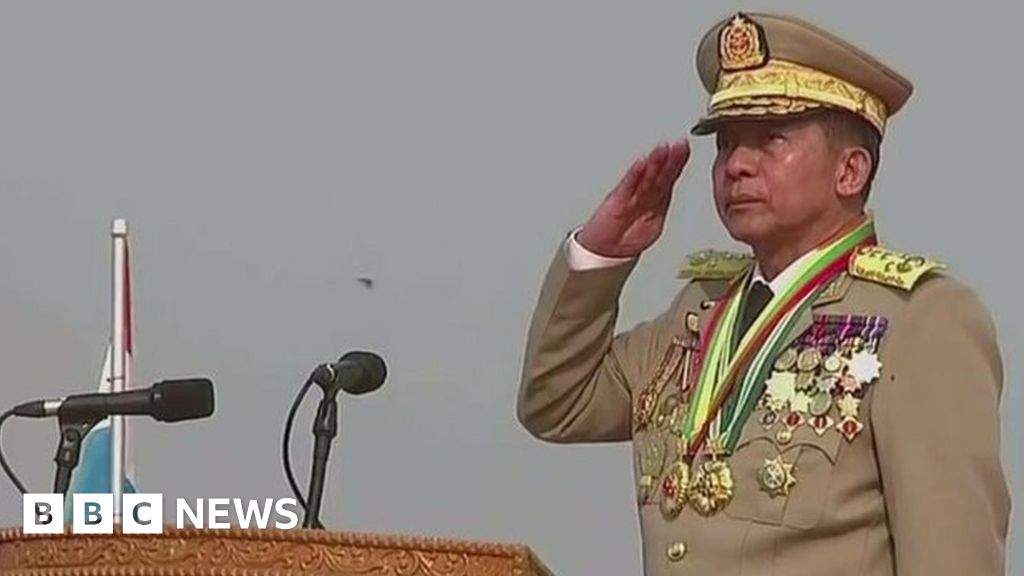
In Myanmar, where military generals have brutalized the population for decades, an unexpected symbol has emerged to strike fear into the hearts of the ruling junta: flowers. Simple garlands, traditionally used in Buddhist ceremonies and celebrations, have evolved into potent symbols of resistance against military rule, creating a psychological battleground where even the most basic expressions of cultural tradition have become acts of defiance.
The military regime that seized power in Myanmar has employed increasingly violent tactics to maintain control, using methods that have terrorized civilians across the country. However, the persistence of flower-based protests and memorial displays has created an unusual dynamic where the generals find themselves confronting a form of resistance that is both deeply rooted in Myanmar's Buddhist culture and nearly impossible to completely suppress without appearing to attack the country's spiritual traditions.
Flowers hold profound significance in Myanmar's Buddhist-majority society, where they are regularly used in religious offerings, memorial services, and traditional ceremonies. This cultural importance has made them particularly powerful symbols of resistance because they allow protesters to express opposition to military rule while drawing on deeply held spiritual and cultural practices. The regime's attempts to suppress flower-based demonstrations risk alienating even more of the population by appearing to attack fundamental religious and cultural expressions.
The psychological impact of flower protests on Myanmar's military leadership appears to be substantial, as these displays serve as constant reminders of the population's rejection of military rule. Unlike more conventional forms of protest that can be easily characterized as political violence, flower offerings and garlands represent a form of resistance that is simultaneously peaceful, culturally authentic, and spiritually meaningful. This combination makes them particularly difficult for the military to combat without further damaging their already limited legitimacy.
The phenomenon reflects the broader struggle for Myanmar's future, where ordinary citizens continue to find creative ways to express their opposition to military rule despite facing severe consequences. The fact that such simple and traditional symbols have become sources of concern for heavily armed generals illustrates both the resilience of Myanmar's civil society and the fundamental weakness of a regime that must fear even flowers. As the military continues its brutal campaign to maintain power, the persistence of these symbolic acts of resistance suggests that the population's determination to reclaim their country remains unbroken despite years of violence and oppression.