South Australia's Koala Boom Could End in Mass Starvation, Scientists Warn, Urging Fertility Control Over the Rifle
With koala densities in the Mount Lofty Ranges already past sustainable levels, researchers say sterilizing a fraction of females each year could avert a slow-motion catastrophe — and avoid a Victoria-style cull.
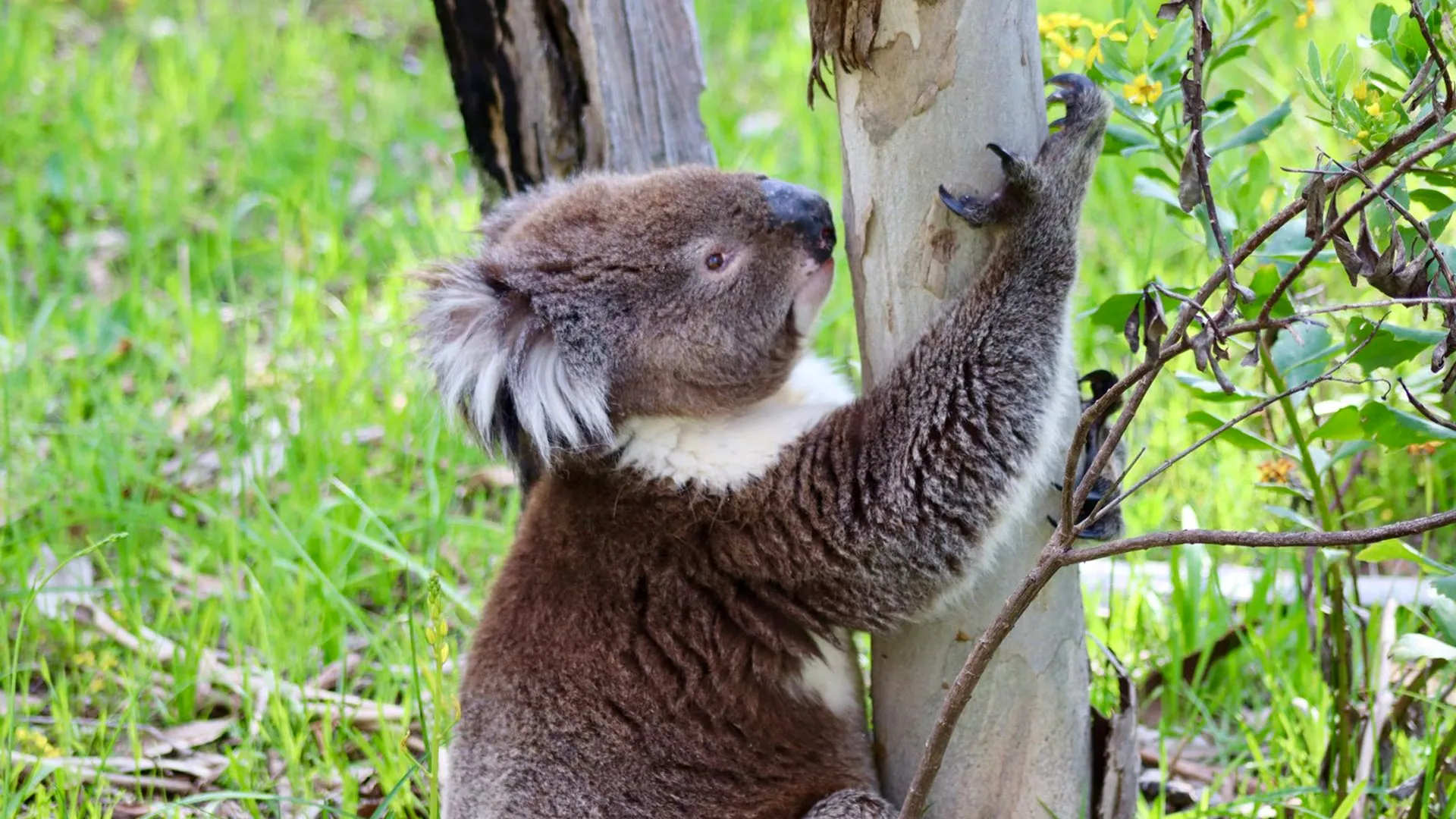
A conservation success story is threatening to curdle into a catastrophe. South Australia's koala population has grown so large that the animals may be heading toward mass starvation, scientists warn, as the eucalyptus forests they depend on buckle under the weight of too many hungry mouths. Researchers say the time to act is now, before the iconic marsupials eat themselves out of a home.
The crisis is concentrated in the Mount Lofty Ranges, the green hills that rise behind Adelaide, which now harbor about 10 percent of all the koalas in Australia. Koala densities across much of the range already exceed what the landscape can sustainably support, stripping trees of their leaves faster than the forest can regrow them. Without intervention, scientists project the population could swell by a further 17 to 25 percent over the next 25 years, accelerating the damage to native vegetation and the broader ecosystem.
"In the next few decades, following this trajectory, there will almost certainly be a terrible situation of mass koala starvation and death," the research team warned, describing a future in which overabundance, not scarcity, becomes the gravest threat to the species in the region. It is a paradox of conservation: a beloved animal protected so successfully in one corner of the country that its own numbers have become the danger.
Rather than culling — the blunt and politically explosive tool that drew fierce condemnation when neighboring Victoria authorized shooting koalas from helicopters earlier in 2026 — the South Australian researchers point to fertility control as a humane alternative. Their modeling indicates that sterilizing about 22 percent of adult females each year in the highest-density areas could stabilize the population, easing pressure on the forests without resorting to lethal methods or mass relocation, which is itself stressful and often unsuitable for the animals.
The findings underscore an uncomfortable reality facing wildlife managers across southern Australia, where koalas are simultaneously listed as endangered in some states and dangerously overabundant in others. The same animal that conservationists race to save from bushfire, disease and habitat loss in New South Wales and Queensland is straining its food supply to the breaking point in pockets of the south. Managing that contradiction — protecting a national symbol while preventing it from destroying the very forests it needs — may prove one of the country's thorniest conservation challenges of the coming decade. Whether South Australian authorities adopt the fertility-control approach, and how quickly they move, could determine whether the coming decades bring a carefully managed plateau or a wave of preventable koala deaths that conservationists say they can already see coming.