Plant Extinct for 60 Years Rediscovered Through Smartphone Photo on Citizen Science Platform
Ptilotus senarius, missing since 1967, was spotted by bird bander Aaron Bean and identified by botanist Anthony Bean through iNaturalist observations.
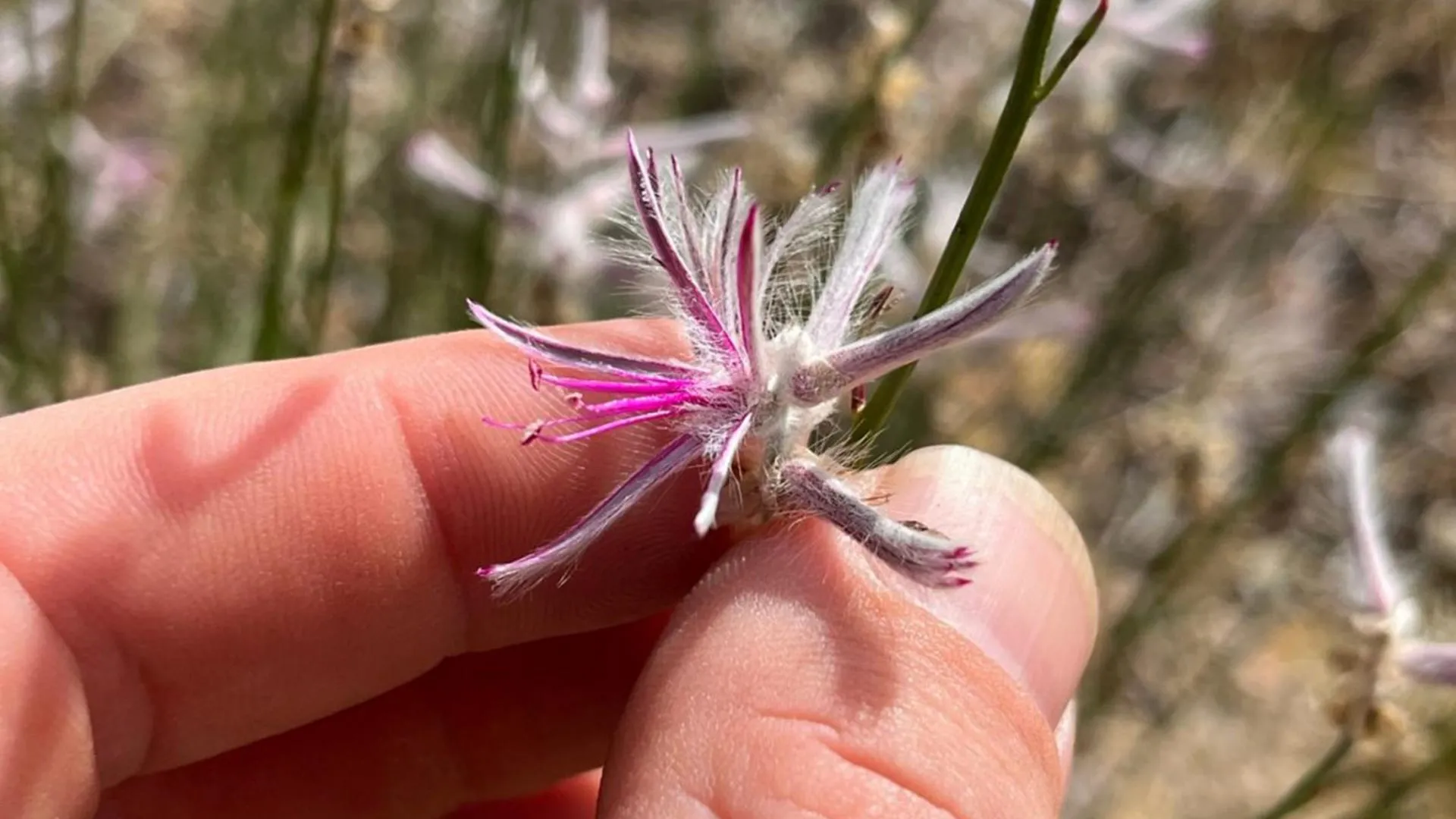
A plant believed extinct for nearly 60 years has been rediscovered in remote northern Australia, thanks to a chance photograph uploaded to the citizen science platform iNaturalist. The remarkable find highlights how ordinary people with smartphones are quietly transforming biodiversity research and conservation efforts worldwide. Ptilotus senarius, a delicate shrub with purple-pink flowers resembling small feathered fireworks, had not been documented since 1967 and was widely considered extinct in the wild.
The discovery began when Aaron Bean, a professional horticulturist helping band birds on a large Queensland property, noticed an unusual plant growing in the landscape. He photographed the specimen and later uploaded the images to iNaturalist after regaining phone service. That simple upload set off an extraordinary chain of events when botanist Anthony Bean from the Queensland Herbarium immediately recognized the species from the online observations.
"It was very serendipitous," said Thomas Mesaglio from the UNSW School of Biological, Earth and Environmental Sciences, who documented the rediscovery for the Australian Journal of Botany. "Aaron Bean is an avid iNaturalist user who opportunistically took some photos of a few plants that were interesting on the property." The coincidence that both men shared the same surname added an additional twist to the discovery story.
Ptilotus senarius grows only in rugged terrain near the Gulf of Carpentaria in northern Australia. Before this rediscovery, scientists believed it may have joined the roughly 900 plant species that have disappeared from the wild globally since the 1750s. With Aaron Bean's photographs, Anthony Bean's expertise, and help from the property owner in collecting specimens, researchers were finally able to confirm that the species still survives and move it from extinct to critically endangered status.
The rediscovery represents a growing pattern in modern science, where members of the public are increasingly photographing plants and animals they encounter and uploading them to online databases. Australia's enormous size and biodiversity make it impossible for scientists to survey every region themselves, making citizen science platforms essential tools for conservation research. For researchers like Mesaglio, these platforms have become indispensable for tracking biodiversity and occasionally revealing species thought to be lost forever.