Kimchi Bacterium Doubles Nanoplastic Excretion in Mice, Korean Researchers Report in First Lab-Validated Removal Strategy
World Institute of Kimchi scientists show Leuconostoc mesenteroides CBA3656 binds 87 percent of polystyrene nanoplastics and keeps 57 percent capacity inside the human-like gut.
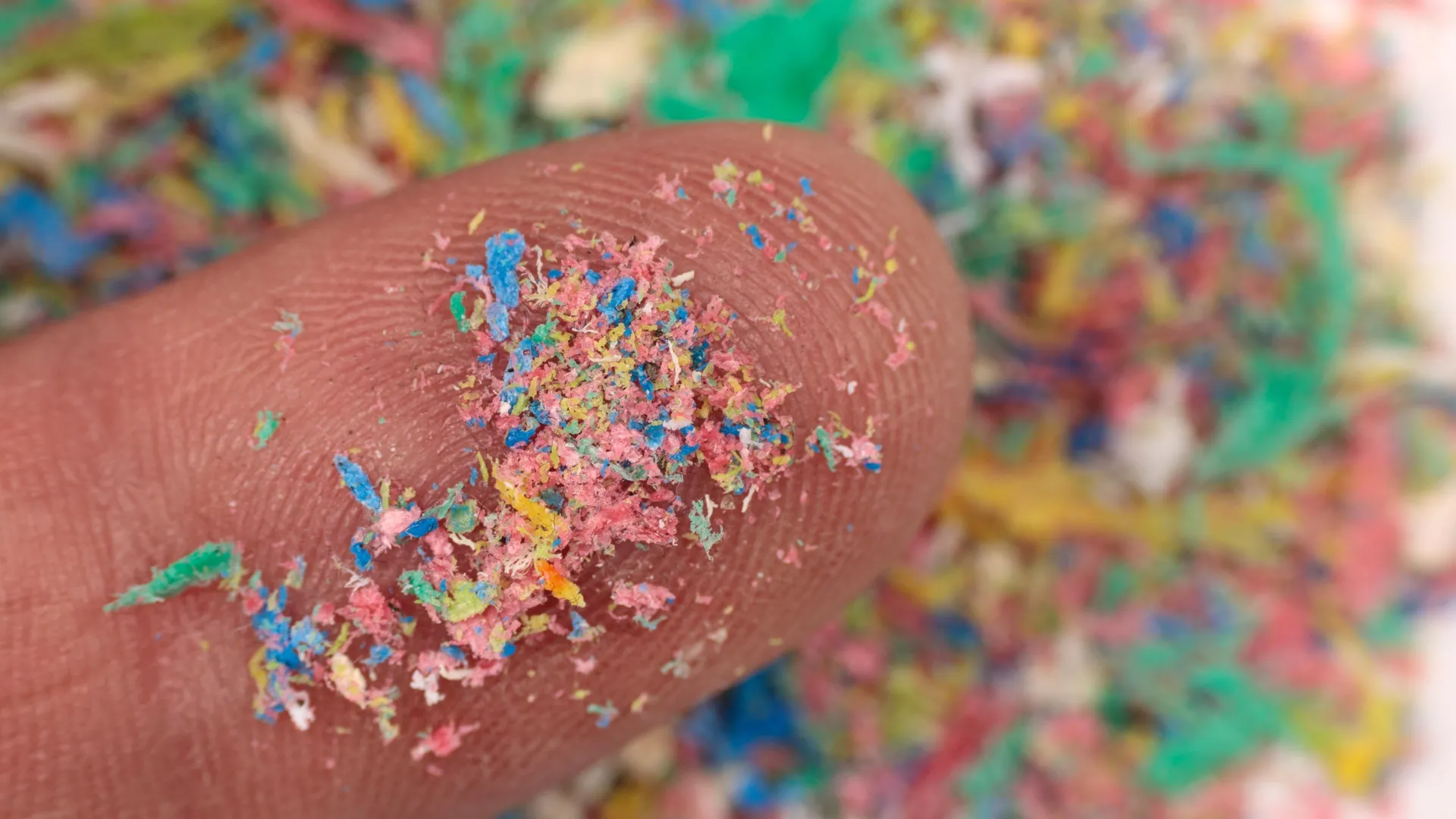
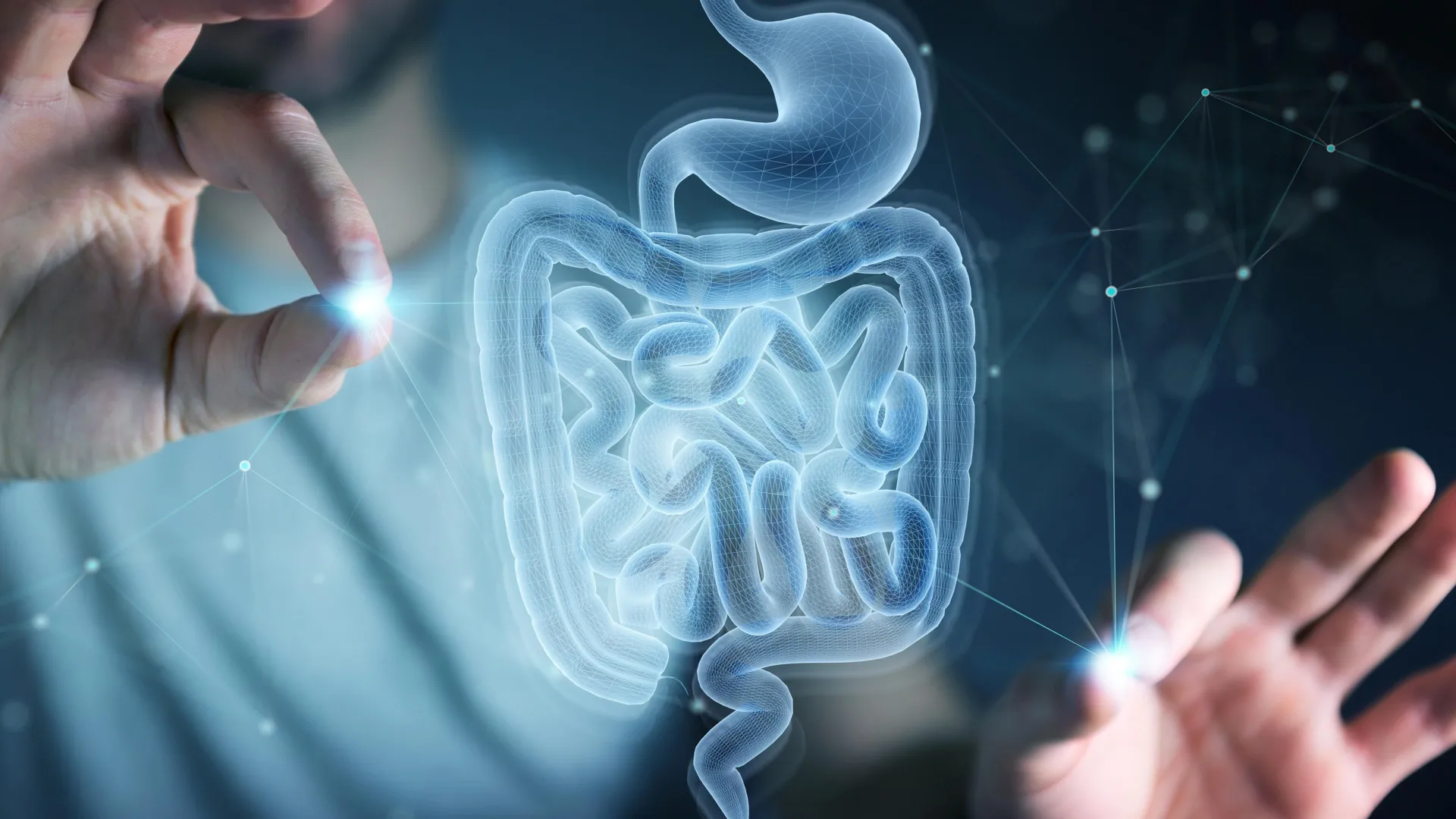
A bacterium found in fermented kimchi can grab tiny plastic particles inside the human gut and escort them out of the body, more than doubling nanoplastic excretion in laboratory mice, according to South Korean researchers whose study in Bioresource Technology represents one of the first lab-validated strategies for reducing the body's growing internal burden of synthetic polymer contamination. The work, led by Dr. Se Hee Lee and Dr. Tae Woong Whon at the World Institute of Kimchi in Gwangju, found that the Leuconostoc mesenteroides CBA3656 strain achieved an adsorption efficiency of 87 percent against polystyrene nanoplastics under standard laboratory conditions.
When tested under conditions simulating the human digestive tract — including acidic gastric pH, bile salts and proteolytic enzymes — the kimchi-derived strain retained 57 percent binding capacity, while a reference Latilactobacillus sakei strain collapsed to just 3 percent under the same conditions. That divergence is the central novelty of the paper, the World Institute of Kimchi said in a statement: many lactic-acid bacteria can bind plastic particles in a petri dish, but only a handful survive the journey through stomach acid in functional form. Strain CBA3656 was originally isolated from traditionally fermented kimchi and has long been studied for its probiotic and antioxidant properties.
In the in vivo arm of the experiment, the researchers fed germ-free male and female mice a known dose of polystyrene nanoplastics, then administered either CBA3656 or a placebo for 14 days. Mice receiving the live probiotic excreted more than twice as many nanoplastics in their feces as control animals — a result that held across both sexes and a range of particle sizes from 20 nanometers to 1 micrometer. Tissue analysis showed reduced accumulation of nanoplastics in the liver, spleen and kidneys of probiotic-fed mice, suggesting the bacterium prevents the particles from crossing the intestinal barrier into systemic circulation.
The stakes of the finding are substantial. A 2024 paper in the New England Journal of Medicine reported microplastic and nanoplastic deposits in roughly 60 percent of human carotid plaques and found that patients with measurable plastic contamination had a 4.5-fold higher risk of heart attack, stroke or death over 34 months of follow-up. Subsequent studies have detected microplastics in human testicles, placentas, breast milk and bone marrow. While public-health authorities have urged reductions in plastic use at the production and packaging stages, no clinical intervention has yet been validated to remove plastic already inside the body.
The Korean team cautioned that strain CBA3656 has not yet been tested in human volunteers and that clinical translation will require a controlled randomized trial. They are now working with two Seoul-based contract manufacturers to develop a heat-stable encapsulated supplement form and have filed for patent protection through the Korea Intellectual Property Office. The paper appears in Bioresource Technology volume 447, article 134234, with DOI 10.1016/j.biortech.2026.134234. The World Institute of Kimchi, a government-funded research center founded in 2010, has spent the past decade cataloguing the microbial communities of more than 600 distinct varieties of Korean fermented foods.