A Platinum-Free Catalyst Runs 1,000 Hours, Pointing to Cheaper Clean Hydrogen
Washington University engineers built a metal-phosphide cathode that outperformed platinum-based versions in lab tests, tackling one of the biggest cost barriers to green hydrogen.
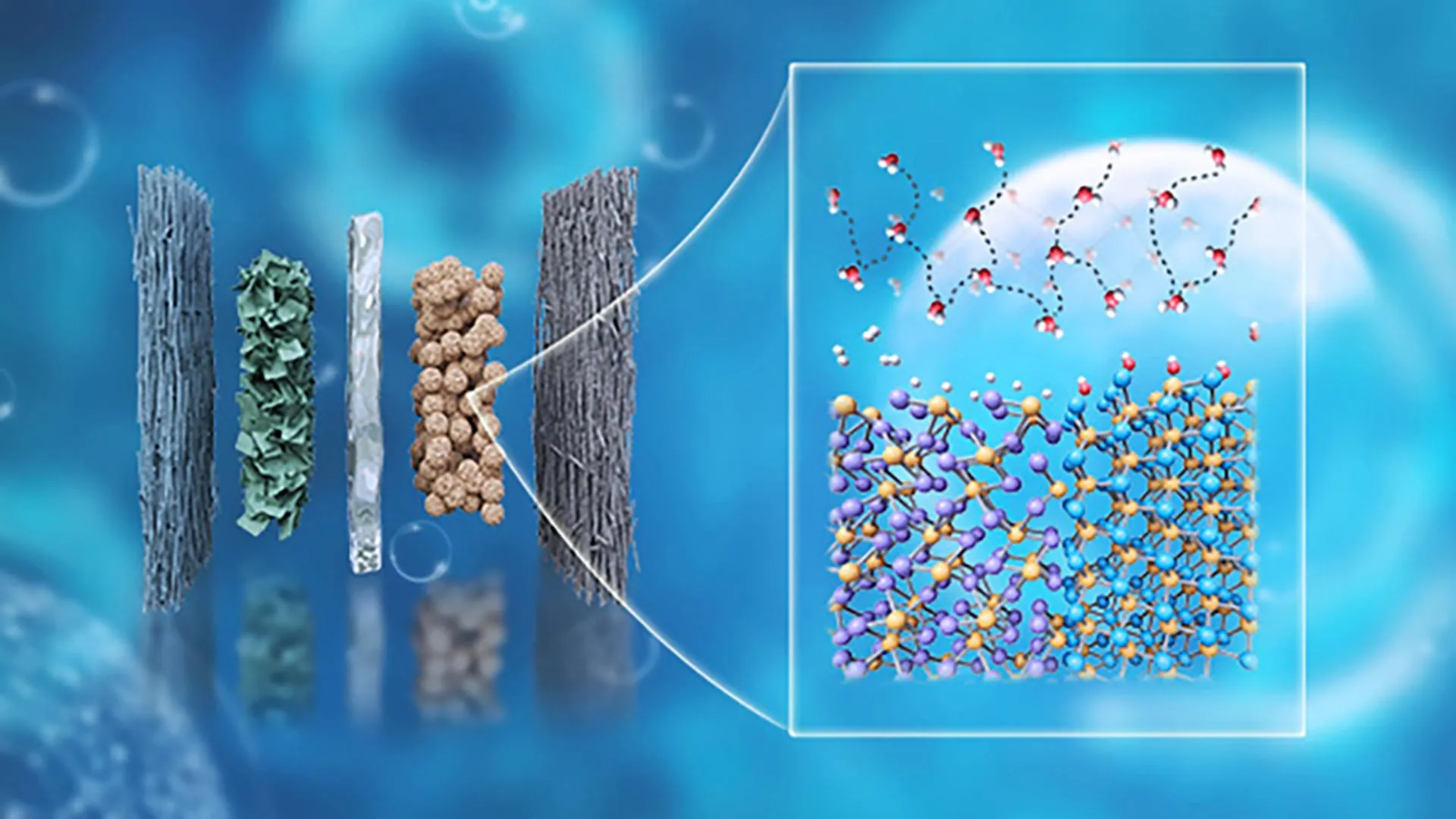
Engineers at Washington University in St. Louis have developed a durable, platinum-free catalyst that could help drive down the cost of producing clean hydrogen, one of the most coveted but stubbornly expensive fuels in the global push to decarbonize.
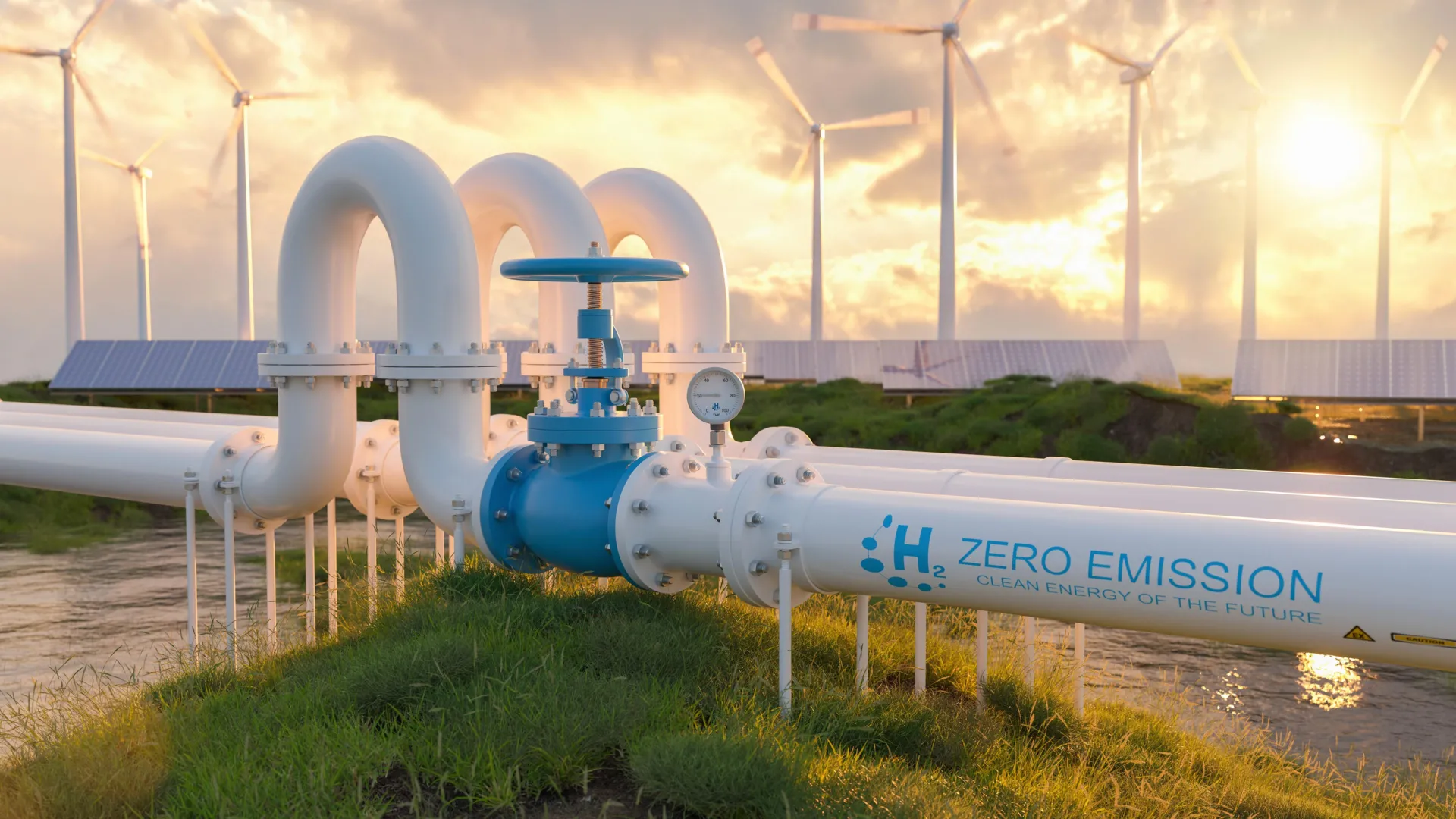
The breakthrough targets a key bottleneck in water electrolysis, the process of using electricity to split water into hydrogen and oxygen. The most efficient electrolyzers have long depended on platinum — a rare and costly precious metal — to speed up the reaction at the cathode, where hydrogen forms. That reliance on platinum is one of the main reasons "green" hydrogen, made with renewable electricity, remains far pricier than hydrogen derived from fossil fuels.
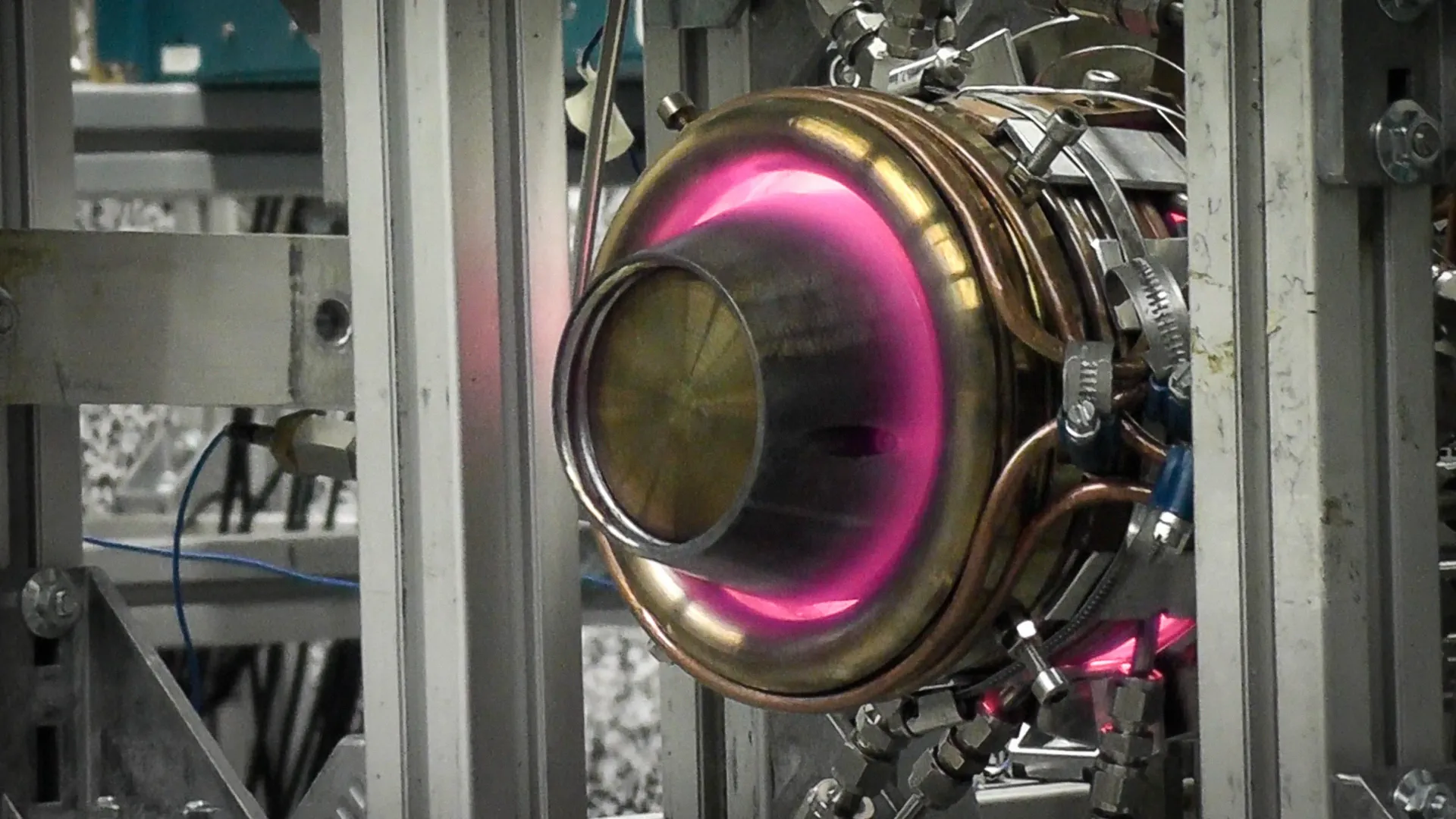
The new catalyst sidesteps platinum entirely. Developed in the lab of Gang Wu, a professor of energy, environmental and chemical engineering at the university's McKelvey School of Engineering, it is a composite of rhenium phosphide and molybdenum phosphide. In testing, the material ran for more than 1,000 hours at industry-relevant current densities of one to two amperes per square centimeter — a grueling benchmark meant to mimic real operating conditions — while maintaining performance.
Crucially, the catalyst did not just match platinum; it beat it. The team reported that the metal-phosphide cathode outperformed leading state-of-the-art alternatives, including platinum-based versions, and showed the lowest electrical resistance across the range of conditions studied. That combination of durability and efficiency in a precious-metal-free design is exactly what researchers have been chasing for anion-exchange membrane water electrolyzers, a promising but still-maturing technology.
The stakes are considerable. Hydrogen is prized as a way to store renewable energy and to decarbonize industries — steelmaking, shipping, heavy transport — that are difficult to run on batteries alone. But "green" hydrogen has remained stubbornly expensive, and the cost of precious-metal catalysts is one of several reasons it has struggled to compete with hydrogen made from natural gas. Cutting platinum out of the equation, without sacrificing performance or longevity, removes one of the recurring objections to scaling the technology up.
"Going from water to hydrogen is a very desirable way we are able to store energy for different applications," Wu said. The work, published May 18 in the Journal of the American Chemical Society, remains at laboratory scale, and the researchers caution that scaling up to commercial electrolyzers will bring fresh engineering challenges. Still, by demonstrating one of the most durable platinum-free cathodes yet, the study offers a concrete path toward making clean hydrogen cheaper — and, its authors hope, a more practical pillar of a low-carbon energy system.