Columbia Engineers Unveil S3E Process That Pulls Lithium From Low-Grade Brines in Hours, Not Years
A switchable-solvent technology described in Joule recovers more than 95 percent of dissolved lithium from sodium, magnesium and calcium-rich brines using a temperature trigger, potentially unlocking the Salton Sea, Smackover Formation, and oilfield-produced waters as major U.S. lithium sources.
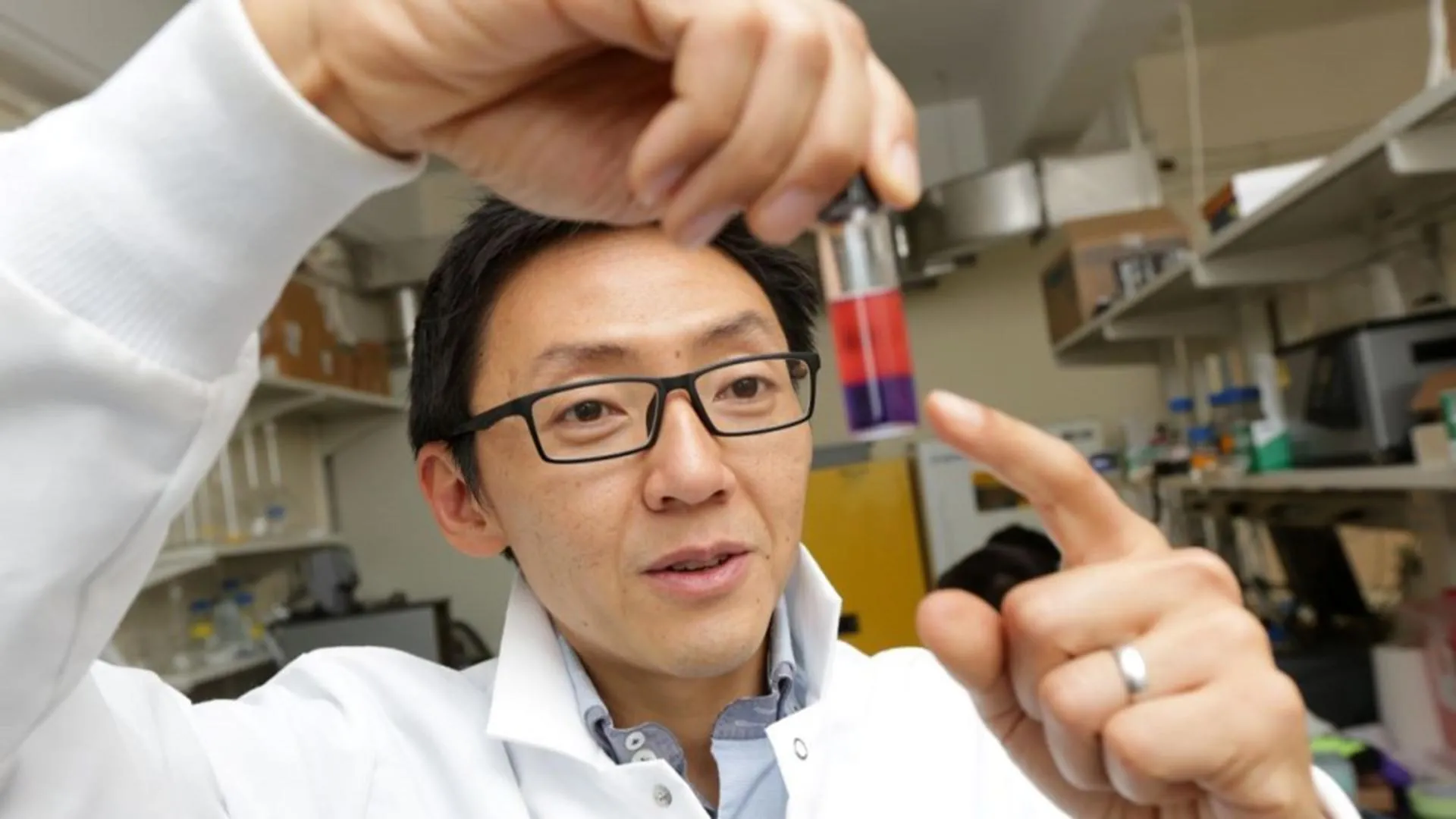
Engineers at Columbia University have unveiled a lithium-extraction technology that pulls the critical battery metal directly from low-grade salty brines using a temperature-sensitive solvent, a process they say could bypass the sprawling evaporation ponds and toxic acid leaching that have made lithium production one of the dirtiest pieces of the clean-energy supply chain. The technique, called switchable-solvent selective extraction or S3E, was described May 22 in the journal Joule and is already being scaled in pilot facilities at the Salton Sea in Southern California.
The Columbia team, led by chemical engineering professor Ngai Yin Yip in the Lenfest Center for Sustainable Energy, designed a hydrophobic organic solvent that selectively binds lithium ions at room temperature and then releases them on demand when warmed to about 50 degrees Celsius. The chemistry effectively gives operators a "switch" — load up the lithium at one temperature, dump it at another — that allows the same solvent to be cycled through high-grade and low-grade brines without re-engineering the plant in between. In bench-scale runs, S3E achieved selectivity for lithium of 95 percent or higher against sodium, potassium, magnesium and calcium, the chemically similar competitors that have traditionally bedeviled brine refiners.
The payoff, if the lab numbers hold up at industrial scale, is dramatic. Today the dominant lithium-from-brine process — evaporation ponds in the so-called Lithium Triangle of Chile, Argentina and Bolivia — takes 18 to 24 months per batch and uses enormous volumes of freshwater in some of the driest regions on Earth. S3E completes the equivalent extraction in hours and recycles its solvent. "This is not an incremental improvement," Yip said in a Columbia release. "It changes which resources qualify as economically extractable. Brines you would never have considered worth tapping because the lithium concentrations were too low are suddenly back on the table."
That matters because demand is sprinting ahead of supply. The International Energy Agency projects global lithium demand will more than triple by 2030 as automakers ramp electric-vehicle production and utilities build out grid-scale storage to firm up wind and solar. The United States, China, Australia and Chile dominate today's supply, but the IEA's most recent critical-minerals report warned that even the optimistic build-out trajectory falls roughly 26 percent short of expected 2030 demand. The U.S. Department of Energy has flagged geothermal brines in the Salton Sea, oilfield-produced waters in Texas and the Smackover Formation of Arkansas as huge but stranded lithium resources — exactly the kind of low-grade source S3E was designed to tap.
Industry response has been brisk. Berkshire Hathaway Energy, which operates 10 geothermal plants on the Salton Sea, has signed a joint-development agreement with Columbia to pilot S3E inside an existing geothermal loop, with first lithium-carbonate samples expected in late 2026. ExxonMobil and Standard Lithium, both pursuing direct-lithium-extraction projects in Arkansas, told the Wall Street Journal they were studying the Columbia chemistry as a potential add-on to their existing processes. Yip's group is now focused on scaling the solvent regeneration to industrial throughput and on running a full life-cycle analysis to confirm that the chemistry's lower water and land footprints translate into lower greenhouse-gas emissions per kilogram of refined lithium.