A Rocky Super-Earth 25 Light-Years Away Just Got a Lot More Interesting
New measurements slashed Gliese 3378b's estimated mass, tipping it from a likely gas world into a rocky planet sitting squarely in its star's habitable zone.
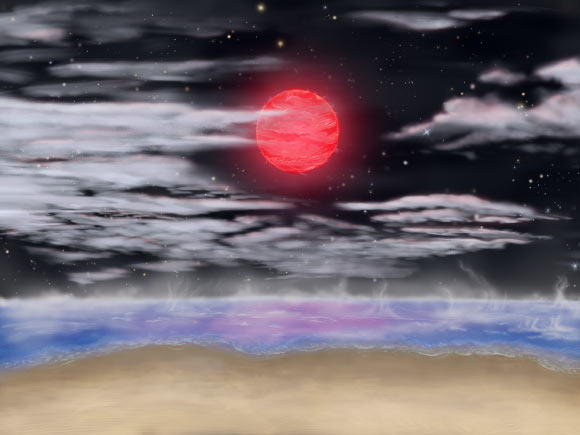
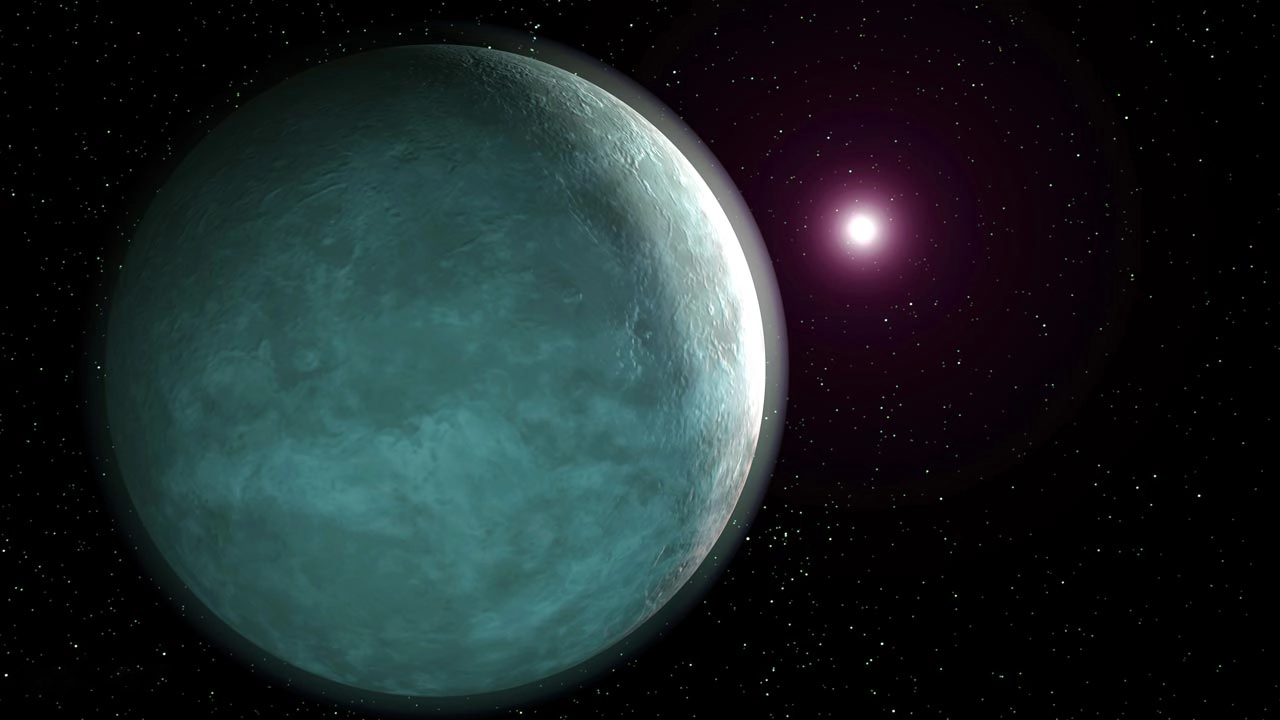
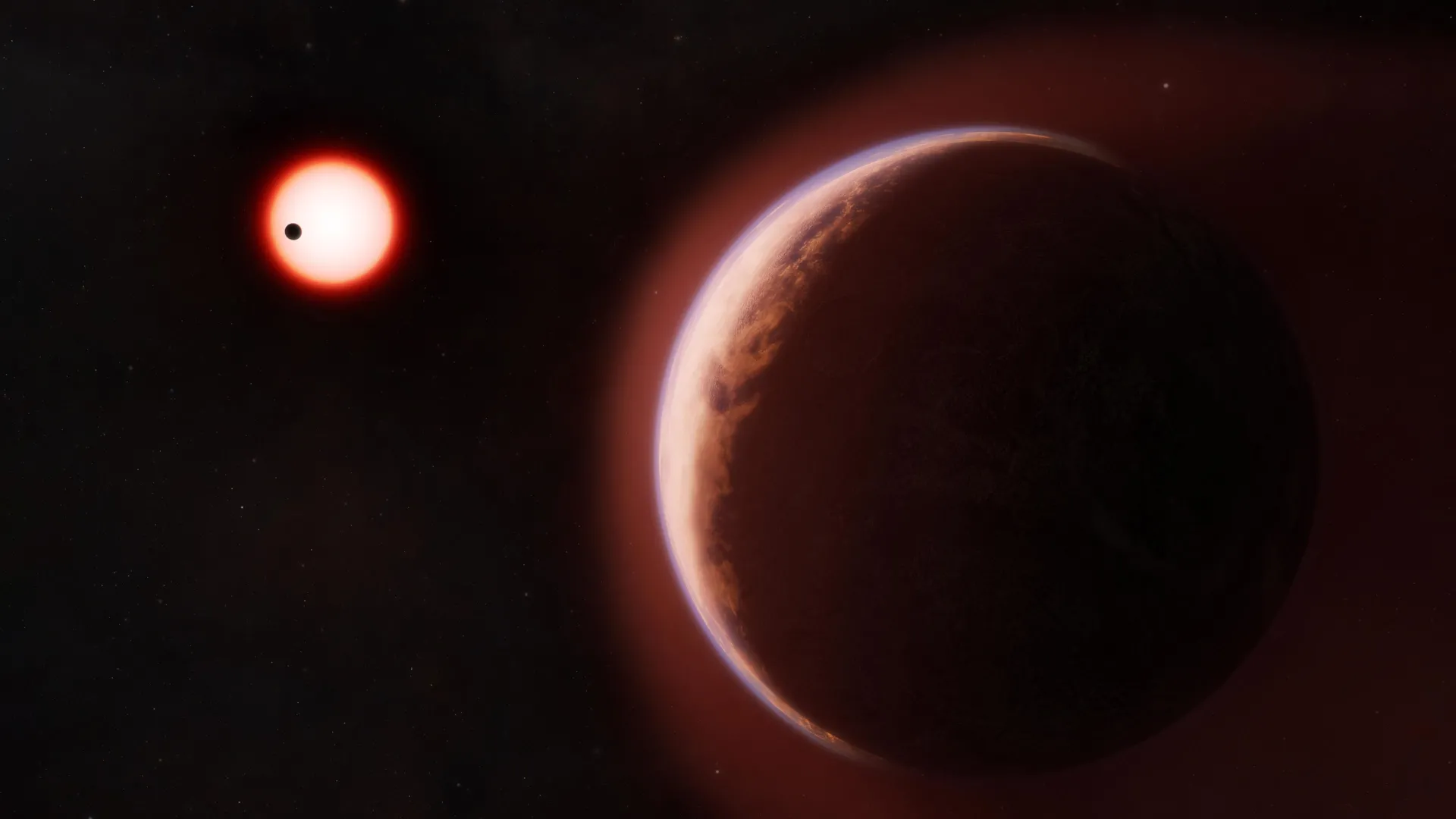
A super-Earth orbiting a red dwarf just 25 light-years away has vaulted toward the top of astronomers' list of potentially habitable worlds after fresh measurements sharply revised its mass — and its odds of being a rocky planet where liquid water could exist.
The planet, Gliese 3378b, receives about 90 percent as much energy from its host star as Earth gets from the Sun, placing it comfortably within the so-called habitable zone. "This super-Earth gets about 90% of the radiation from its host star as Earth gets from the Sun, so it's right in the sweet spot," said Dr. Paul Robertson of the University of California, Irvine, who led the study with Dr. Michael Endl of the University of Texas at Austin.
The pivotal change is in the planet's estimated heft. Earlier observations had pegged GJ 3378b at about 5.3 Earth masses; refined measurements now put it closer to 2.3. That drop is scientifically significant because roughly five Earth masses marks the fuzzy dividing line between two very different kinds of world. Below it, planets tend to be rocky super-Earths; above it, they are more likely to be mini-Neptunes — puffy gas worlds swaddled in thick, hazy atmospheres and poorly suited to life as we know it.
By landing well under that threshold, GJ 3378b now looks far more likely to have a solid surface. The findings, published in The Astrophysical Journal, bump the planet near the top of the roster of nearby worlds worth scrutinizing for signs of habitability — a short list of targets that next-generation telescopes may eventually probe for the chemical fingerprints of life.
There is, however, a crucial unknown. "Its atmosphere, the deciding factor for habitability, remains unknown," the researchers noted, and for a planet to hold liquid water on its surface it needs one. GJ 3378b sits right at the edge of what astronomers call the cosmic shoreline — the boundary around a star beyond which stellar radiation can strip a planet's atmosphere away entirely. Whether this world has managed to hold onto its air is, for now, impossible to say.
Still, the revised portrait is enough to keep astronomers excited. "If a planet in the habitable zone has a proper atmosphere, we can justify further research looking for biosignatures," said Gogod James, a UC Irvine student who worked on the project. With its favorable size, its gentle dose of starlight and its proximity in cosmic terms, Gliese 3378b has become one of the more tantalizing rocky worlds within reach of study.