Scientists Discover How to Turn the Brain's Immune Cells Into Alzheimer's Plaque-Clearing Machines
New research reveals that lecanemab clears amyloid plaques by activating microglia through its Fc fragment, a finding that is reshaping Alzheimer's treatment strategy and pointing toward more potent next-generation therapies.

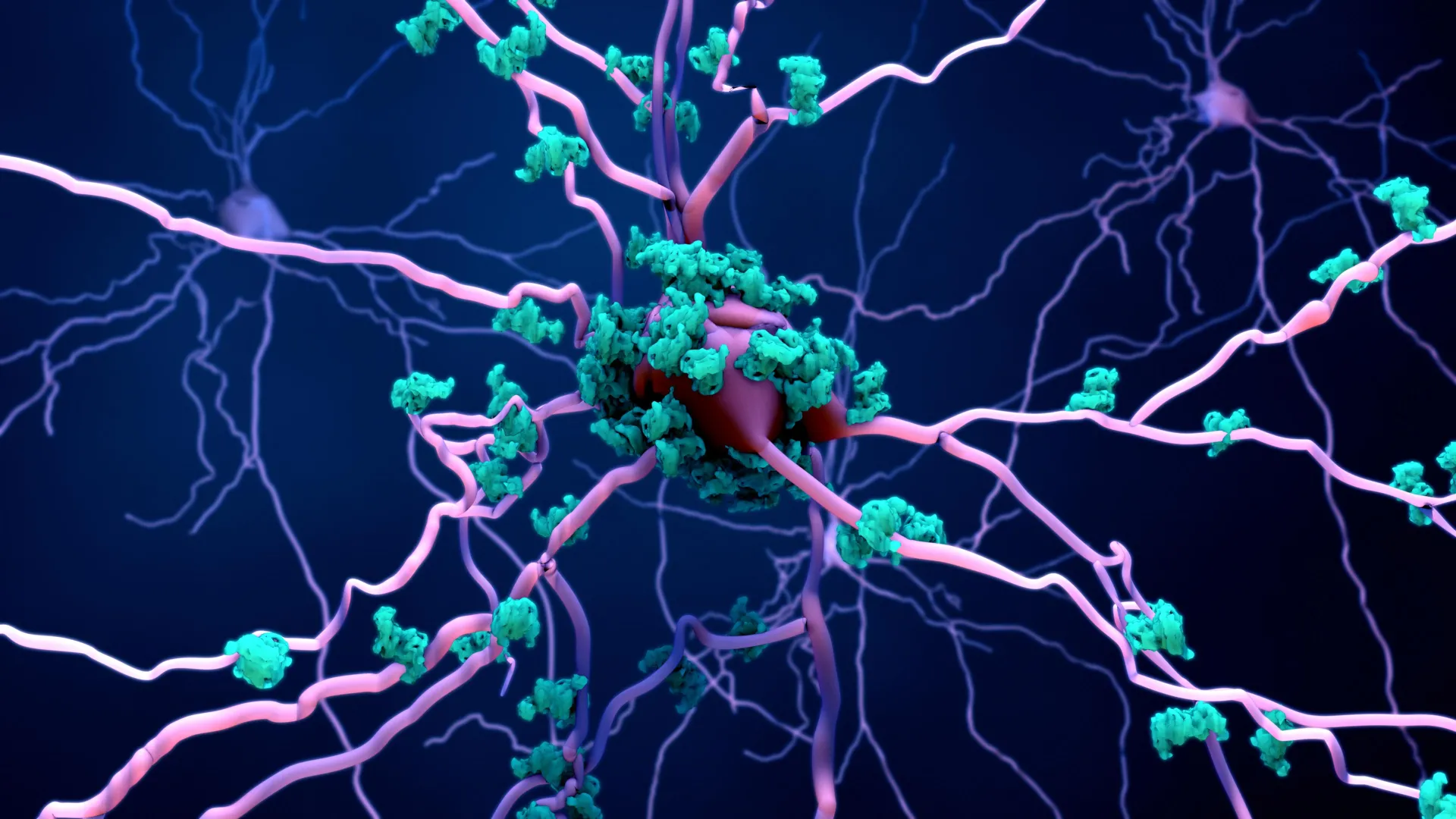
Scientists have made a significant advance in understanding how to harness the brain's own immune cells to clear the amyloid plaques responsible for Alzheimer's disease, a breakthrough that is reshaping the field's approach to treatment and raising hopes for interventions that go beyond merely slowing the disease to potentially reversing some of its effects. The findings, published in early 2026, center on microglia — the brain's resident immune cells — and the molecular mechanisms that govern their ability to engulf and destroy toxic protein deposits.
Researchers found that lecanemab, an Alzheimer's drug approved by the FDA in 2023 and now in wide clinical use, clears amyloid plaques not primarily through a direct biochemical interaction, as had been assumed, but by activating microglia via a specific segment of the antibody molecule known as the Fc fragment. When the Fc fragment binds to receptors on microglial cell surfaces, the cells shift into an aggressive plaque-clearing mode, physically engulfing amyloid deposits and breaking them down. The discovery suggests that future drugs could be designed to trigger this microglial activation directly and more potently, without needing to deliver a full monoclonal antibody to the brain.
The implications extend beyond lecanemab itself. If microglia can be reliably reprogrammed into plaque-clearing machines through targeted molecular intervention, scientists believe it could be possible to design small-molecule drugs or gene therapies that activate this mechanism earlier in the disease process — before plaques have accumulated to levels that produce cognitive symptoms. Alzheimer's disease typically begins damaging the brain one to two decades before symptoms appear, and current treatments approved by the FDA are most effective when administered before significant neurodegeneration has occurred.
Researchers at Mass General Brigham, one of the leading neuroscience centers in the world, published related findings suggesting that non-invasive brain imaging will soon be able to detect the circuit-level changes associated with early Alzheimer's pathology before symptoms develop. The combination of earlier detection and more effective microglial activation therapies represents what scientists described as a potential inflection point in the decades-long effort to tame Alzheimer's disease, which affects an estimated 7 million Americans and is projected to reach 13 million by 2050 as the population ages.
The 2nd Global Summit on Neuroscience, held March 12 to 13 in London, featured extensive discussion of these advances alongside progress in neural interfaces and brain-computer technologies. Randy Trumbower of Mass General Brigham presented work on closed-loop neuromodulation systems that combine brain-computer interfaces with direct spinal cord stimulation, with early trials in spinal cord injury patients showing that these systems can help restore voluntary movement in patients previously thought to have permanent paralysis. Trumbower's team expects these protocols to reach standardized clinical practice within three to five years.
In parallel, neuroscientists have published a comprehensive functional connectivity atlas mapping how different brain regions interact with each other from birth through old age. The atlas, built from neuroimaging data collected across thousands of subjects at multiple research centers, provides the clearest picture yet of how brain network organization changes over the course of normal development and aging — and, critically, how those patterns diverge in people who go on to develop neurodegenerative conditions. Researchers said the atlas would serve as a reference tool for clinical trials, enabling investigators to identify which patients are most likely to respond to specific interventions based on their individual connectivity profiles.
For the millions of families living with Alzheimer's disease, each incremental advance in understanding carries enormous emotional weight alongside its scientific significance. Neurologists and patient advocates have cautioned that translating these discoveries into treatments accessible to ordinary patients remains a process measured in years, not months. But the convergence of new mechanistic insights, improved imaging capabilities, and increasingly sophisticated intervention tools has produced a sense of momentum in the field that has been absent for much of the past two decades.