Allen Institute Bets $400 Million on a Radical Idea: Mapping the Brain Was Just the Warmup — Now It Wants to Repair It
The Seattle research powerhouse is launching a Brain Health Accelerator aimed at gene therapies for Alzheimer's, Parkinson's, Huntington's and ALS that target diseased cells, not just proteins.

After two decades spent painstakingly cataloging the cells, circuits and genetic switches of the human brain, scientists at the Allen Institute say they have finally learned enough about how the brain breaks to start trying to fix it.
On Tuesday the Seattle-based institute announced a new $400 million initiative, the Brain Health Accelerator, with an audacious goal: developing gene therapies for some of the most feared neurodegenerative diseases, including Alzheimer's, Parkinson's, Huntington's, ALS and Lewy body dementia. The accelerator is a newly created unit carved out of the institute's existing Brain Science division, repurposing years of fundamental mapping work toward concrete treatments.
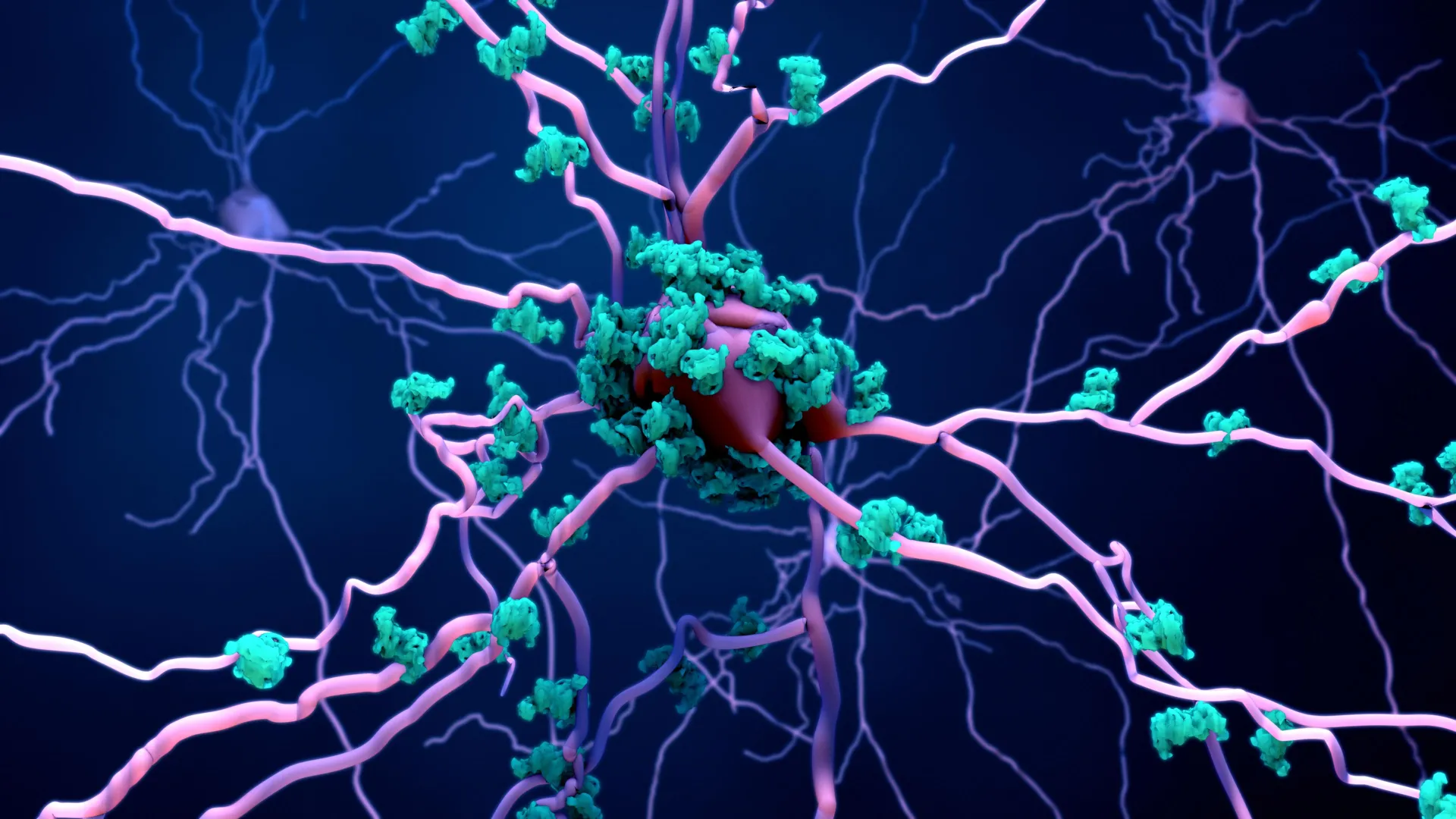
What sets the effort apart is its strategy. Most experimental therapies for brain disease target a single misbehaving protein — the amyloid plaques of Alzheimer's, for example. The Allen approach instead aims at the cells themselves. "A whole new brand of therapeutics that, instead of targeting a protein, targets the cells in the circuits that are affected in disease," is how Ed Lein, the director of the Brain Health Accelerator, described it.
The science rests on the institute's detailed atlases of which genes switch on in which specific cell types. By identifying the genetic signatures unique to vulnerable neurons, researchers hope to design molecular tools — delivered as gene therapy — that act only on the precise cells a disease attacks, sparing the rest of the brain. In principle, that specificity could sidestep the side effects that have doomed broader treatments.
The money reflects an unusual philanthropic engine. Of the $400 million total, $200 million comes from the Fund for Science and Technology, which the estate of Microsoft co-founder Paul Allen launched with a $3.1 billion endowment to underwrite work in bioscience, the environment and artificial intelligence. The institute, founded by Allen in 2003, has long operated as a kind of public-good laboratory, releasing its brain atlases freely to researchers worldwide.
The timing is notable. Decades of drug development aimed at neurodegenerative disease have produced a long trail of failures, with promising compounds repeatedly stumbling in late-stage trials. By shifting the target from rogue proteins to the specific cells that fail in each disease, the institute is wagering that precision — long the watchword of cancer medicine — can finally be brought to bear on the brain.
Outside scientists greeted the announcement with cautious optimism, noting that the leap from mapping a system to repairing it is enormous, and that gene therapies for the brain face daunting hurdles in delivery and safety. But many agreed that the field has reached an inflection point. After years in which understanding the brain seemed an end in itself, the question animating the Allen Institute now is a far more clinical one: having drawn the map, can scientists finally use it to heal?