Brain Cells Keep Firing After a Workout Ends, Training the Body to Run Farther, Mouse Study Finds
Researchers tracked steroidogenic factor-1 neurons in the hypothalamus that stay active for an hour after exercise and appear to be the brain's 'endurance trainer.'
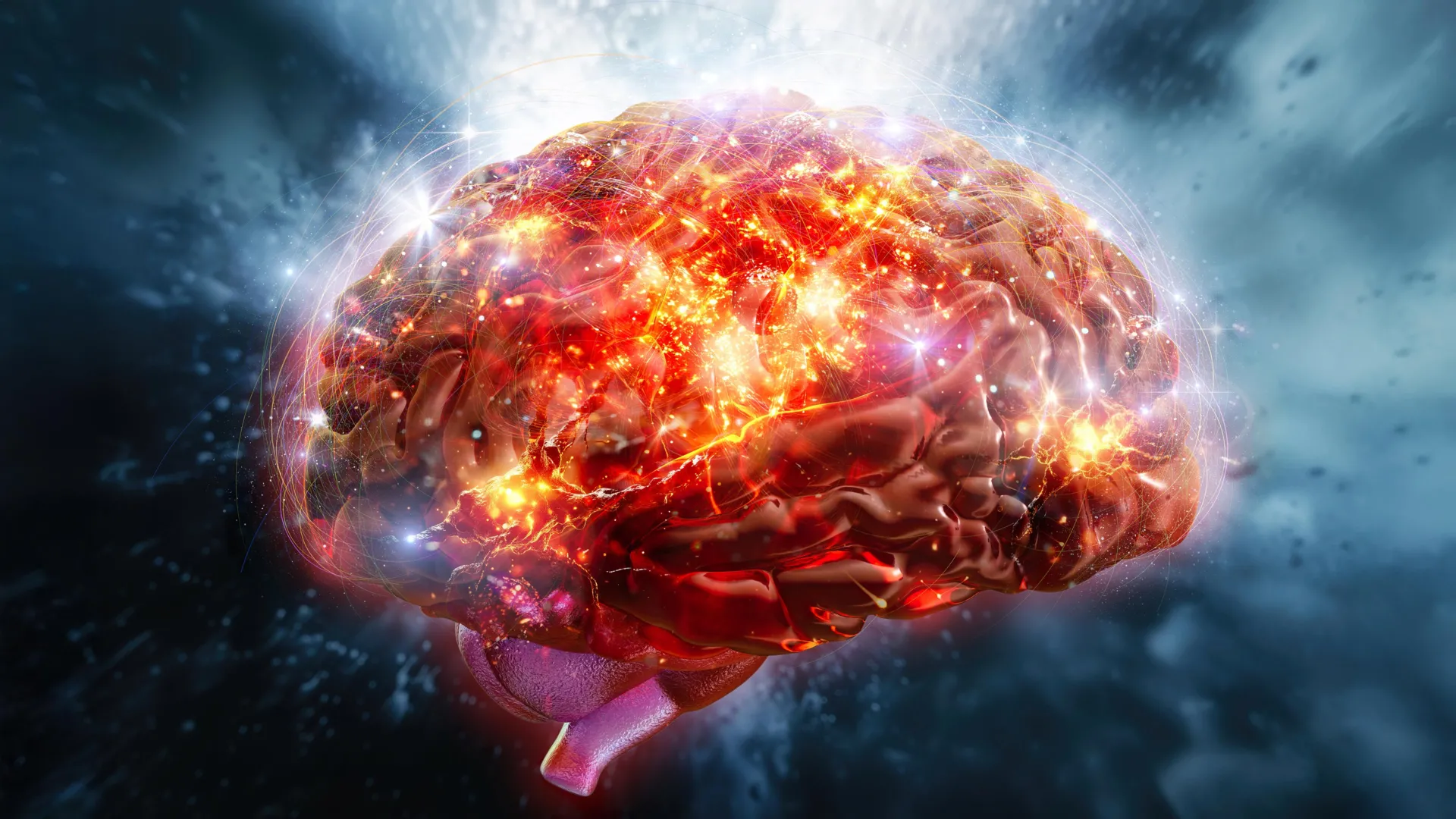
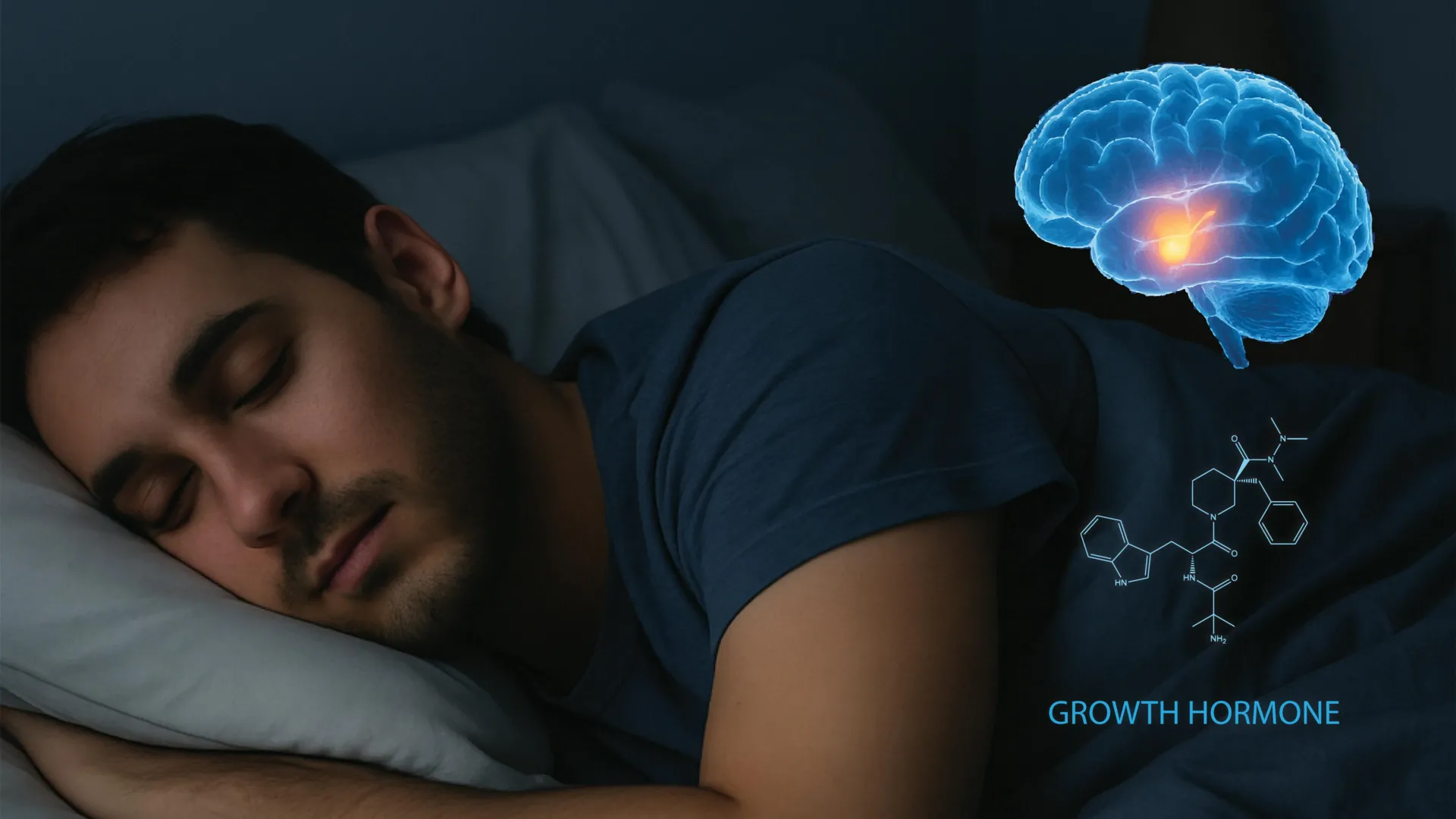
Exercise may train the brain just as much as it trains the body, according to a study published this week in the journal Neuron that identified a small population of brain cells in the hypothalamus that keep firing for at least an hour after a workout ends and appear to drive long-term endurance gains. The findings open a door to understanding why athletic performance keeps improving with regular training — and why a single missed week of conditioning can feel like a giant step backward.
The research team, working with mice on treadmills, focused on a class of neurons in the ventromedial hypothalamus known as steroidogenic factor-1, or SF1, cells. Using a combination of fiber-photometry recordings and chemogenetics, the scientists showed that SF1 neurons became active while mice were running, just as expected for an arousal-related brain circuit. The unexpected result was that the neurons did not switch off when the running stopped. Instead, they continued firing for at least 60 minutes after the workout, and that lingering activity steadily rose over two weeks of daily treadmill sessions.
By the end of the two-week training block, the trained mice were running significantly longer distances and holding faster speeds before reaching exhaustion. Brain scans of those same animals showed that a greater number of SF1 neurons were active, and that they were firing at higher intensities than they had at the start. When the scientists silenced the SF1 population using viral chemogenetic tools — leaving the mice physically intact but cutting the neurons off from the rest of the brain — the endurance gains evaporated. The silenced mice fatigued just as quickly at the end of two weeks of training as they did on day one.
"This circuit is acting like a kind of biological afterburner," said senior author J. Nicholas Betley, a neuroscientist at the University of Pennsylvania, in an interview with the journal. "The actual physical work of exercise is happening in the muscles and the cardiovascular system, but the brain is keeping a tally and re-rating how much effort the body should be willing to spend the next time it is asked to run." Betley's team suspects the same SF1 population sits at the intersection of stress signaling and metabolism, which would help explain why exercise has such broad effects on appetite, mood, and recovery.
The work is years away from human medicine, but the implications stretch in several directions. Aging is associated with steep losses in maximal endurance, and patients recovering from cancer chemotherapy or extended hospitalization frequently struggle to regain conditioning. If SF1 activity in humans tracks the mouse pattern, it could become a measurable target for rehabilitation protocols, or for drugs that mimic the post-exercise "afterburn" without requiring patients to push through pain. Betley cautioned that the team has not yet shown the circuit exists in the same form in humans, but earlier anatomical work suggests that the same hypothalamic region is conserved across mammals, including people. The next step, he said, is to test whether the same circuit fires after voluntary exercise in untethered animals living in an enriched environment, rather than on a treadmill.