Cancer-Linked Mutations Hide in the Brain's Immune Cells and May Help Drive Alzheimer's
A Boston Children's Hospital team found that microglia accumulate the same mutations that fuel blood cancers — and instead of cancer, they may stoke the inflammation that kills neurons.
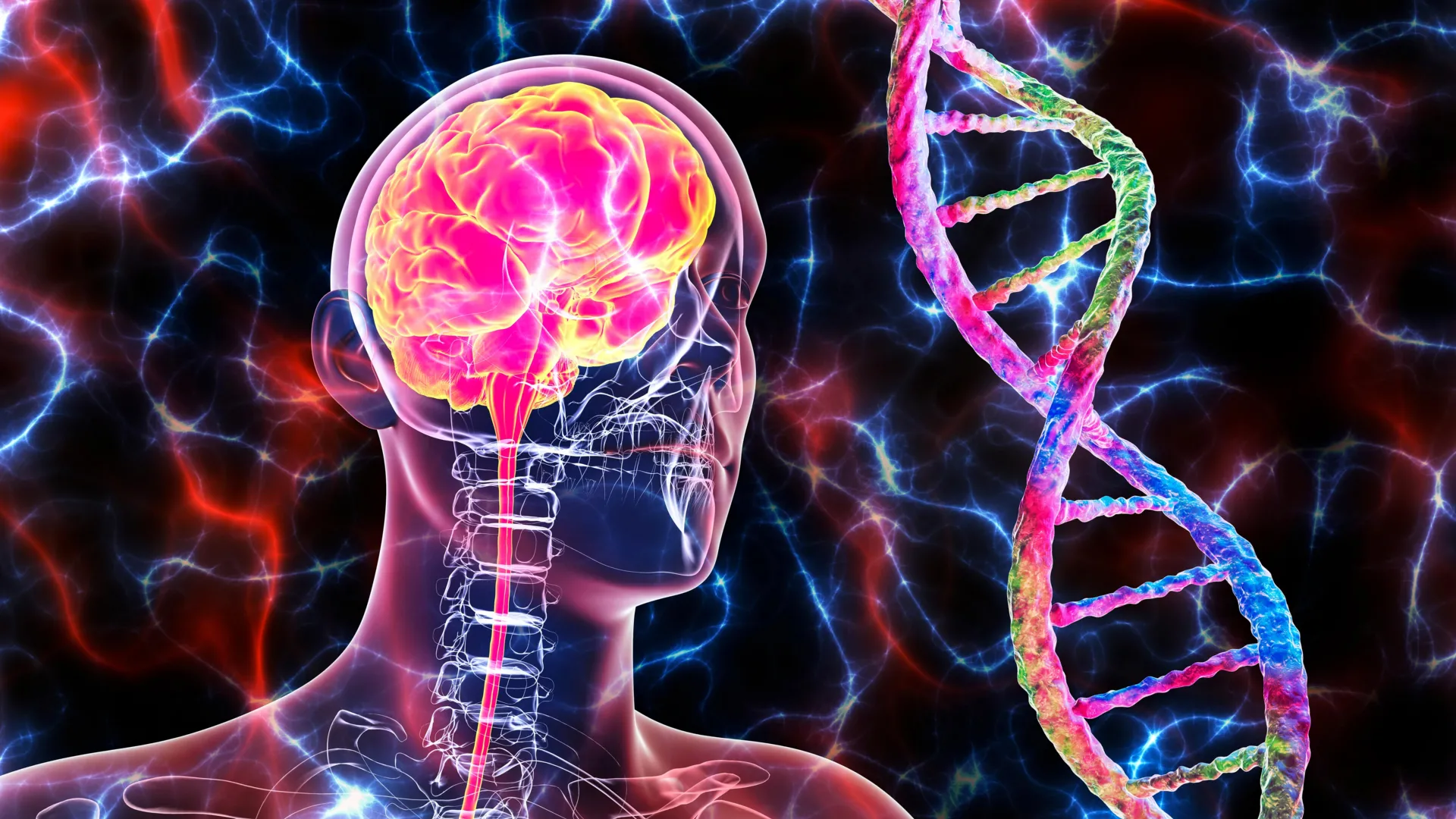
A surprising link between cancer and Alzheimer's disease has emerged from the brain's own immune cells. Researchers at Boston Children's Hospital found that microglia — the cells that defend the brain — gradually accumulate mutations in well-known cancer-driving genes. But rather than spawning tumors, those mutations appear to help drive Alzheimer's by inflaming the brain.
The team, reporting in the journal Cell, analyzed 311 postmortem brain samples from people who had Alzheimer's disease and from age-matched individuals who did not. Using ultra-deep genetic sequencing of 149 genes commonly tied to cancer, they found significantly more somatic mutations in the Alzheimer's brains. The hotspots were genes called TET2, DNMT3A and ASXL1 — the same genes implicated in clonal hematopoiesis, an age-related condition in which blood stem cells acquire mutations and expand over time.
Strikingly, many of the same mutations turned up in the patients' blood samples, hinting that mutated, blood-derived immune cells may migrate into the brain and take on the role of microglia. Once there, the researchers propose, those altered cells gain a survival and growth advantage, proliferating and tipping the brain's immune environment toward chronic inflammation. The result is a kind of slow collateral damage: "innocent bystander" neurons die in the inflammatory crossfire, contributing to the cognitive decline that defines Alzheimer's.
The findings reframe how scientists think about the disease, suggesting that some cases may be fueled not only by the buildup of amyloid plaques and tau tangles but also by the gradual genetic drift of the immune cells meant to protect the brain. It also helps explain why age is the single biggest risk factor — the longer cells live, the more mutations they collect.
The discovery could open practical new doors. Because the telltale mutations also appear in blood, the researchers say it may eventually be possible to develop blood-based screening tests to flag people at elevated risk. And because the culprit genes are already familiar targets in oncology, treatments borrowed from cancer medicine could potentially be repurposed to calm the inflammatory microglia before they do lasting harm. Much more work lies ahead, but the study offers a fresh and unexpected angle on one of medicine's most stubborn diseases.
Originally reported by ScienceDaily.