Intermittent Fasting Triggers Surprising Brain Changes Linked to Weight Loss
New research reveals that weight loss through intermittent fasting involves rewiring both gut bacteria and brain regions that control appetite and cravings.

Scientists have discovered that successful weight loss through intermittent fasting involves simultaneous changes in gut bacteria and brain activity that work together to influence appetite and food behavior. The research, which studied obese adults during a carefully controlled fasting program, reveals how the gut microbiome and brain may cooperate to determine weight-loss success in ways previously unknown.
The study, led by Dr. Qiang Zeng from the Health Management Institute of the PLA General Hospital in Beijing, followed 25 adults with obesity through an intermittent energy restriction program. Participants underwent comprehensive monitoring including stool sample analysis, blood tests, and functional brain imaging to track changes over time. By the end of the intervention, participants had lost an average of 7.6 kilograms, representing about 7.8% of their starting body weight.
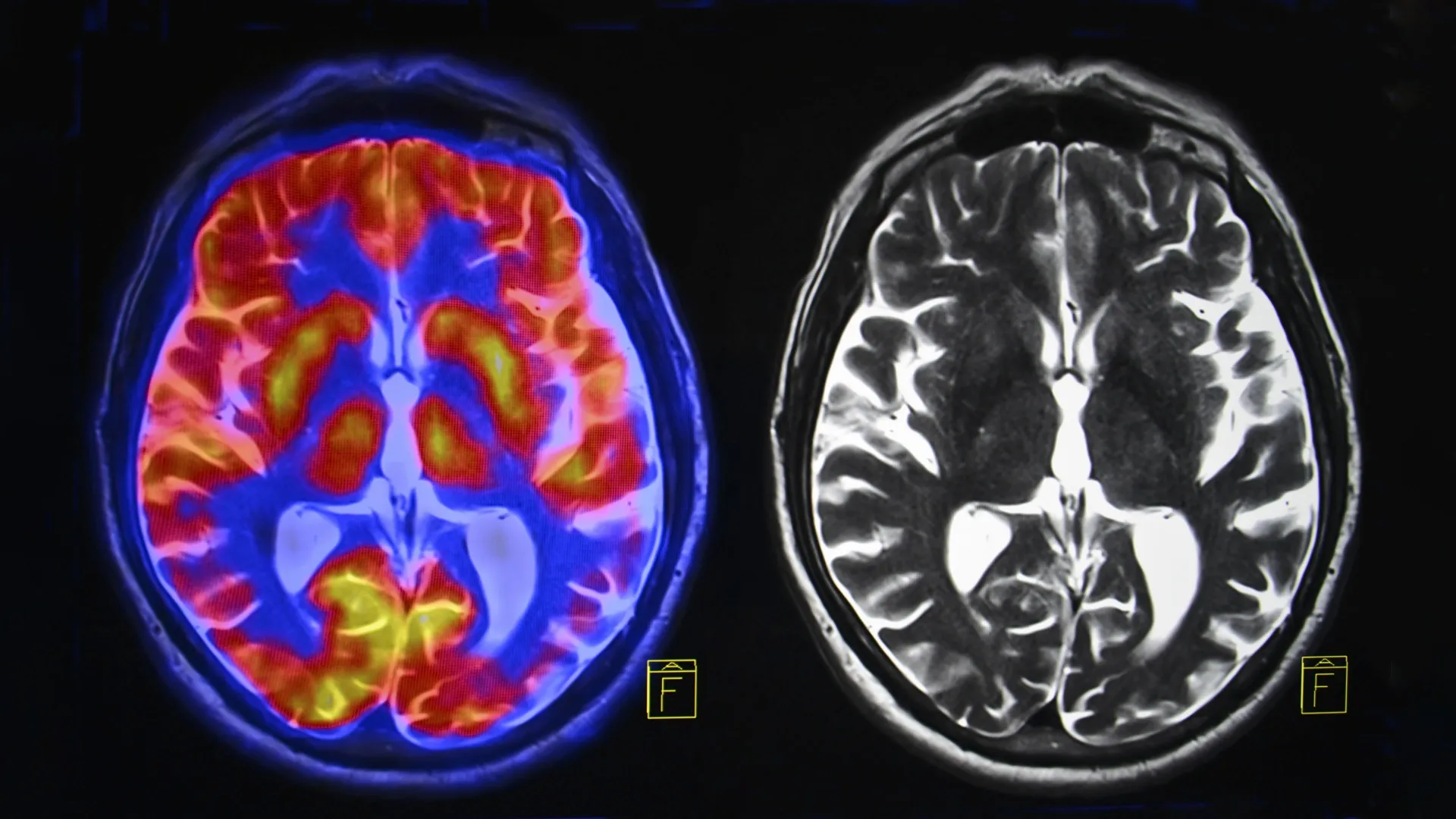
Researchers used functional magnetic resonance imaging to examine brain regions involved in appetite, emotion, attention, and reward processing. The results showed notable changes in areas tied to appetite control, cravings, and self-control. Simultaneously, analysis of gut bacteria revealed significant shifts in microbial composition that correlated with the brain changes. The findings suggest these two systems communicate and influence each other during weight loss.
"Here we show that an IER diet changes the human brain-gut-microbiome axis. The observed changes in the gut microbiome and in the activity in addition-related brain regions during and after weight loss are highly dynamic and coupled over time," Zeng explained. Co-author Dr. Yongli Li noted that "a healthy, balanced gut microbiome is critical for energy homeostasis and maintaining normal weight," while an abnormal microbiome can affect eating behavior by influencing brain areas involved in addiction.
The research provides new insights into why some people struggle to maintain weight loss while others succeed long-term. Understanding the brain-gut connection during weight loss could lead to more effective interventions that target both biological systems simultaneously. The findings also highlight the complex interplay between metabolism, neurobiology, and microbiology in determining body weight, suggesting that successful obesity treatment may require addressing multiple biological pathways rather than focusing solely on calorie restriction.