Constipation Drug Shows Unexpected Power to Protect Kidneys in Clinical Trial
Lubiprostone appears to slow kidney function decline in patients with moderate chronic kidney disease by improving gut bacteria.
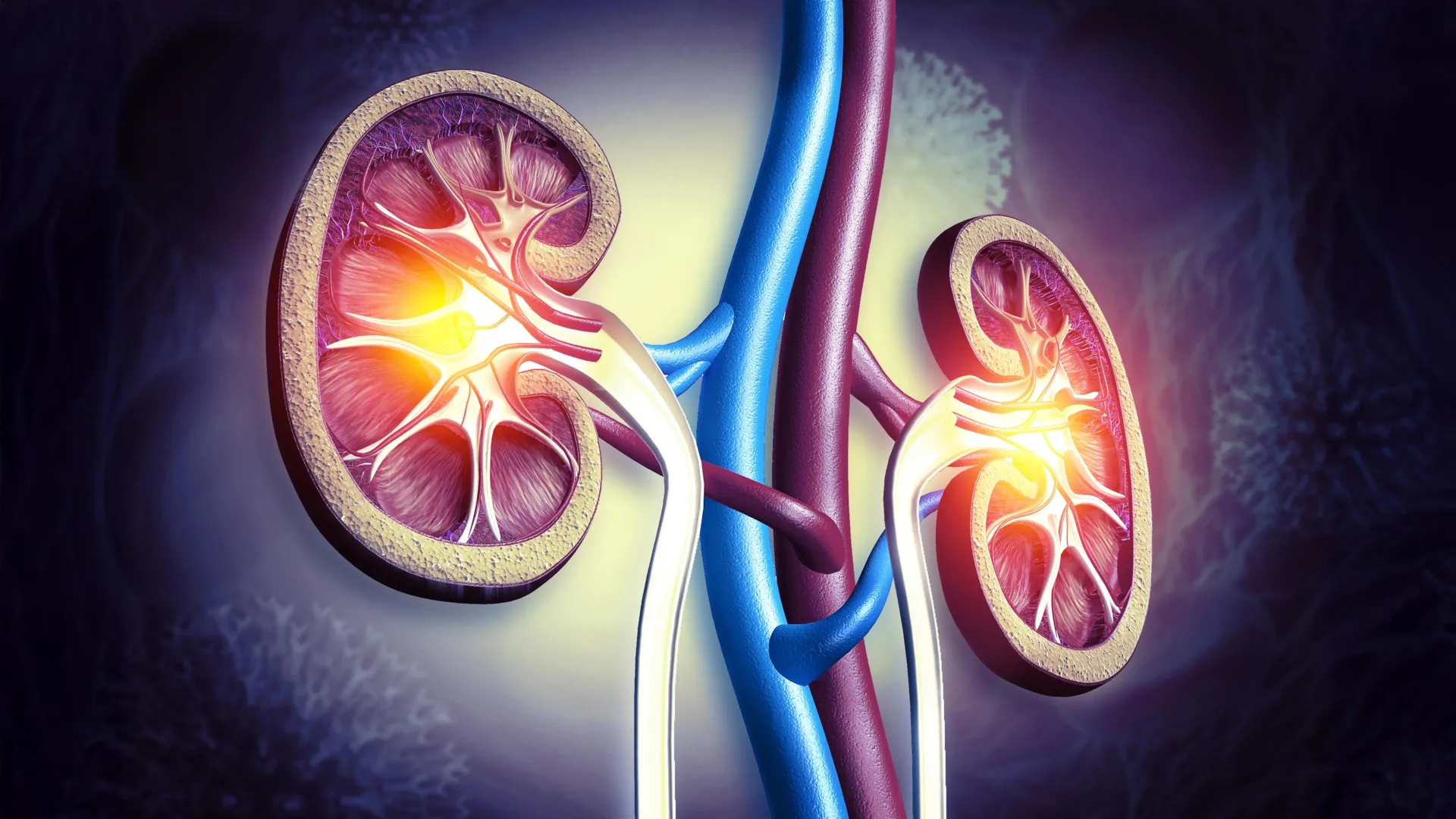
Researchers at Tohoku University Graduate School of Medicine have discovered that lubiprostone, a medication commonly used to treat constipation, may offer an unexpected new approach to slowing chronic kidney disease progression. In a clinical trial involving 150 patients with moderate CKD, the drug appeared to help preserve kidney function by improving gut health and boosting production of beneficial compounds that protect cellular energy systems.
The multicenter Phase II trial, known as the LUBI-CKD TRIAL, was conducted across nine medical institutions in Japan. Participants received either 8 micrograms or 16 micrograms of lubiprostone daily, or a placebo, allowing researchers to compare how the treatment affected kidney function over a 24-week period. Results showed that patients receiving either dose of lubiprostone experienced slower decline in kidney function compared to the placebo group.
The protective effect appeared to be dose-dependent, with the 16-microgram group showing particularly promising preservation of kidney function signals. Kidney performance was measured using estimated glomerular filtration rate, one of the most widely used indicators of kidney health. The findings surprised researchers who had initially focused on the drug's potential to address constipation, a common symptom that accompanies chronic kidney disease.
Scientists traced the kidney-protective effects to changes in the gut microbiome. The analysis revealed that lubiprostone increased production of spermidine, a naturally occurring compound linked to healthier mitochondrial activity. Mitochondria serve as the power plants of cells, generating the energy needed for proper cellular function. Improved mitochondrial function may help shield kidney tissue from the progressive damage that characterizes chronic kidney disease.
The research team had hypothesized that improving gut health might benefit kidney function, based on growing understanding of the "gut-kidney axis"—the complex relationship between intestinal bacteria and kidney health. People with CKD often experience constipation and imbalances in gut microbes, which can contribute to inflammation and buildup of harmful compounds. The successful trial results suggest that targeting gut health could represent an entirely new therapeutic approach for the millions of people worldwide affected by chronic kidney disease.