A Compound in Wheat Germ and Aged Cheese Helped Older Adults' Vaccines Work Better
In a small trial, a daily spermidine supplement reversed several markers of immune aging and strengthened antibody responses — especially in the people who needed it most.
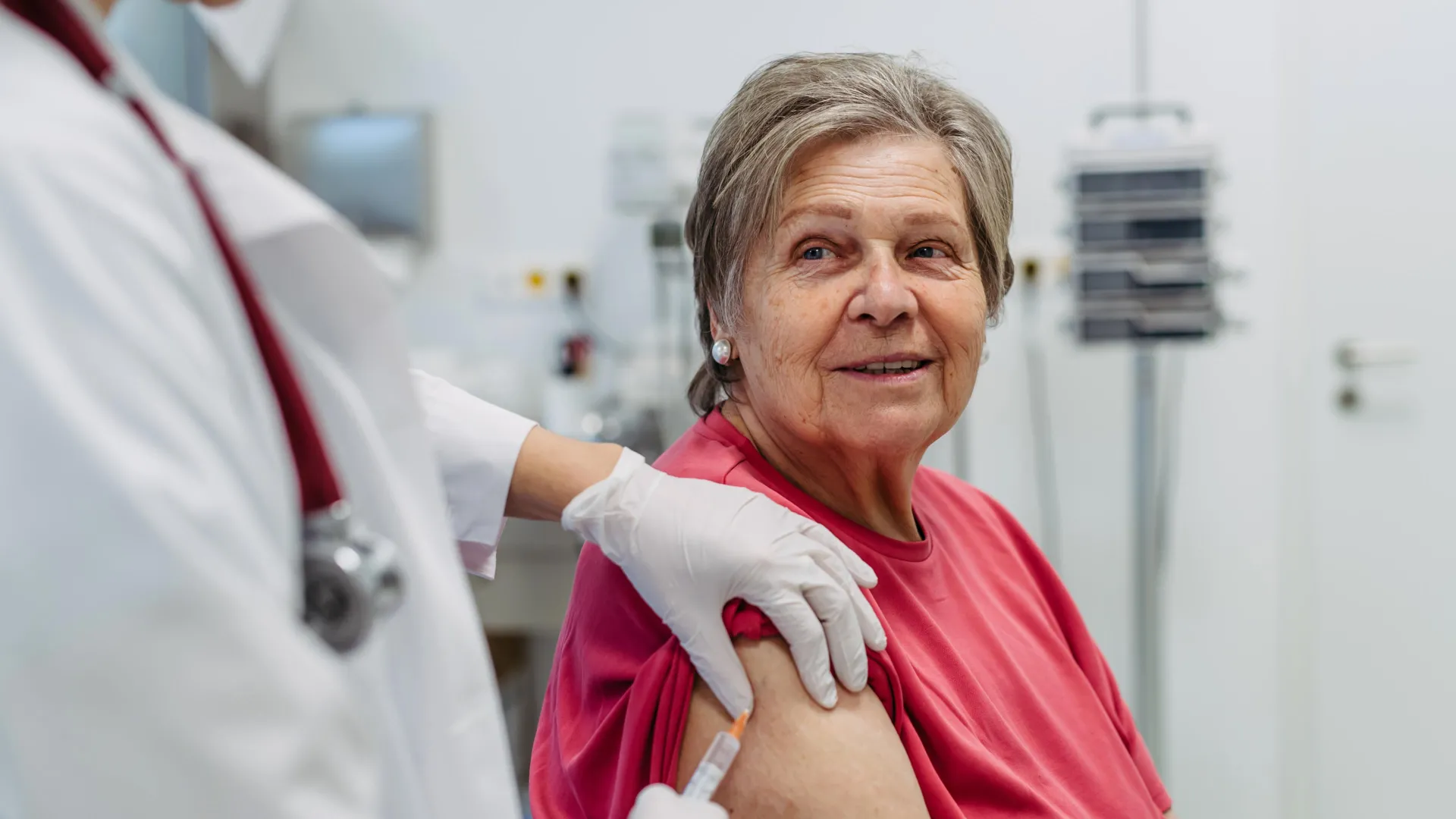
A naturally occurring compound found in everyday foods such as wheat germ, mushrooms and aged cheese may help older adults mount a stronger immune response to vaccination, according to a small clinical trial that offers an intriguing, if preliminary, strategy against one of aging's stubborn problems.
The compound is spermidine, a molecule that helps cells carry out maintenance processes that tend to falter with age. In the double-blind, randomized, placebo-controlled trial, 40 healthy adults older than 65 received either a daily spermidine supplement or a placebo for 13 weeks following a third COVID-19 vaccine dose. The study was led by scientists from the Max Delbrück Center for Molecular Medicine and the University of Oxford and published in the journal Aging Cell.
The most striking benefits appeared in the participants whose immune systems had responded poorly to begin with. About a quarter of the volunteers had produced very weak antibody levels despite three vaccine doses — a common and dangerous shortfall in older people, whose immune systems weaken with age in a process scientists call immunosenescence. Among those poor responders, the supplement was associated with higher antibody levels and stronger activity against several viral variants.
Beyond the antibody gains, the researchers reported that spermidine appeared to reverse several biological markers of immune aging, suggesting the compound was acting on the underlying cellular machinery rather than simply nudging one measurement. The supplement was safe and well tolerated, with no adverse effects linked to the treatment — an important finding for any intervention aimed at otherwise healthy older adults.
The implications could extend well beyond COVID-19. Vaccines against influenza, shingles and other illnesses are notoriously less effective in the elderly, precisely the population most vulnerable to severe disease. A cheap, food-derived compound that could tip weak responders toward adequate protection would be a meaningful public-health tool, particularly in settings where more sophisticated interventions are out of reach.
The researchers were careful to stress the study's limits. With only 40 participants, the trial was a pilot, designed to test safety and detect signals rather than to prove the supplement works at scale. Larger studies will be needed to confirm the effect, determine the right dose and establish whether the benefits hold for other vaccines and other groups. For now, the message is one of cautious optimism: a common dietary molecule, already sitting in pantries around the world, may help the aging immune system do its job — a hypothesis now worth testing in earnest.