Common Constipation Drug Shows Surprising Power to Protect Kidneys
Clinical trial finds lubiprostone may slow chronic kidney disease by changing gut bacteria that boost spermidine production.
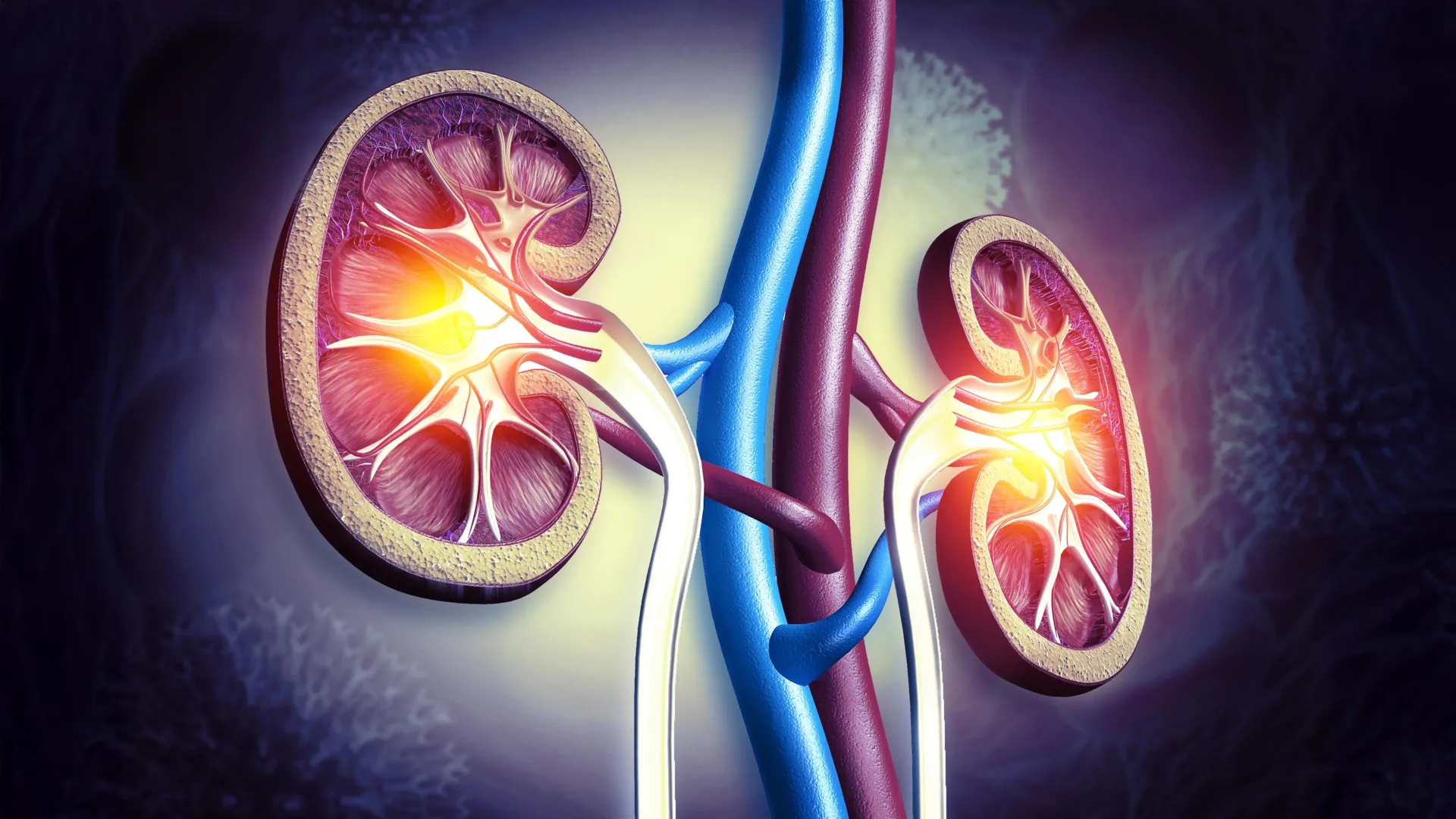
A common constipation drug may have unexpectedly unlocked a new way to slow chronic kidney disease, a condition that affects millions and often leads to dialysis. In a clinical trial involving 150 patients, researchers found that lubiprostone, a medication normally used to treat constipation, helped preserve kidney function in people with moderate chronic kidney disease (CKD). Scientists traced the effect to changes in gut bacteria that boosted production of spermidine, a compound linked to healthier mitochondria and reduced kidney damage.
Chronic kidney disease affects hundreds of millions of people worldwide and is one of the leading causes of kidney failure. As the disease progresses, many patients eventually need dialysis to survive. While current treatments can help slow damage, there are still no approved medications that directly restore kidney function. The discovery emerged from research at Tohoku University Graduate School of Medicine, where scientists noticed an intriguing connection between constipation and kidney health.
"We noticed that constipation is a symptom that often accompanies CKD, and decided to investigate this link further," explains researcher Abe. "Essentially, constipation disrupts the intestinal microbiota, which worsens kidney function. Working backwards, we hypothesized that we could improve kidney function by treating constipation." The team launched the multicenter Phase II clinical trial known as the LUBI-CKD TRIAL across nine medical institutions in Japan.
The study enrolled 150 patients with moderate chronic kidney disease, with participants receiving either lubiprostone or a placebo. The results surprised the researchers: patients who received either 8 μg or 16 μg doses of lubiprostone showed a slower decline in kidney function compared with those in the placebo group. Kidney performance was measured using estimated glomerular filtration rate (eGFR), one of the most widely used indicators of kidney health. The protective effect appeared dose dependent, with the 16 μg group showing particularly promising preservation of kidney function during the 24-week trial period.
The mechanism behind the kidney protection involves the "gut-kidney axis," the complex relationship between intestinal bacteria and kidney health. Scientists found that lubiprostone increased the production of spermidine, a naturally occurring compound tied to healthier mitochondrial activity. Mitochondria generate the energy cells need to function properly, and improved mitochondrial function may help shield kidney tissue from the progressive damage characteristic of chronic kidney disease. This discovery suggests that targeting gut health could represent an entirely new therapeutic approach for protecting kidney function.