Scientists Claim Nasal Spray Reverses Brain Aging in Breakthrough Study
Texas A&M researchers report that just two doses improved memory and cognitive function for months by reducing inflammation and restoring cellular energy systems.

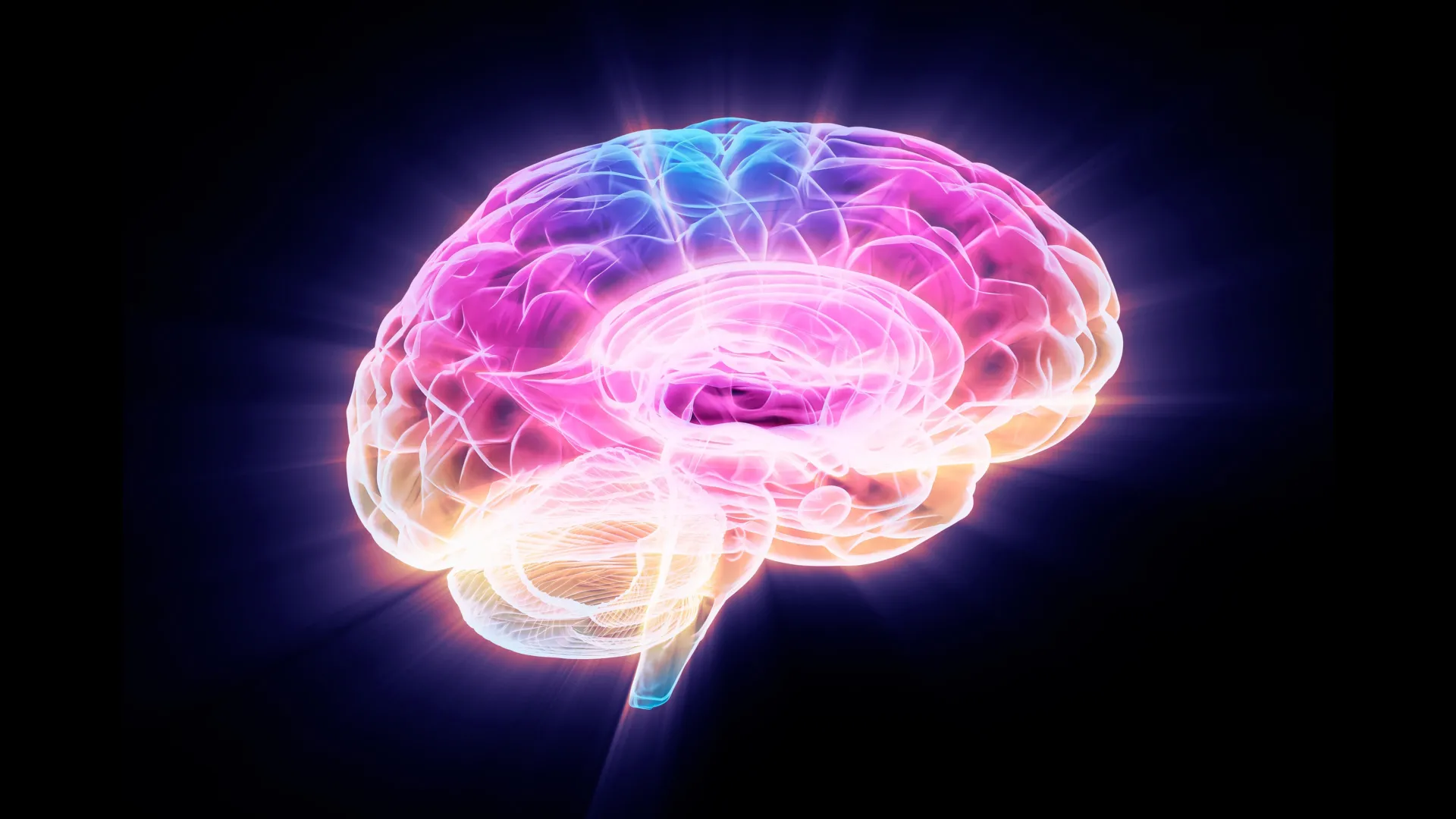
Researchers at Texas A&M University have reported a dramatic breakthrough in combating brain aging, claiming that a simple nasal spray can reverse cognitive decline by targeting chronic inflammation and cellular dysfunction in the brain. The experimental treatment, which uses microscopic biological particles loaded with regulatory molecules, showed remarkable results in laboratory studies, with subjects experiencing improved memory and cognitive function that lasted for months after just two doses. The findings, published in the Journal of Extracellular Vesicles, could eventually lead to new therapies for age-related conditions including dementia and Alzheimer's disease.
The research team, led by Dr. Ashok Shetty and senior research scientists Dr. Madhu Leelavathi Narayana and Dr. Maheedhar Kodali, focused on addressing "neuroinflammaging," the persistent low-level inflammation that occurs in aging brains. This chronic inflammatory state interferes with memory formation, cognitive processing, and the brain's ability to adapt to new situations. Unlike previous approaches that simply mask symptoms, the new treatment appears to address the underlying biological mechanisms that drive cognitive decline, potentially offering a path to actually reversing rather than merely slowing brain aging.
The therapy relies on extracellular vesicles (EVs), tiny biological containers that naturally transport genetic material between cells throughout the body. Scientists loaded these vesicles with microRNAs, molecules that act as master regulators of gene expression and cellular processes. When delivered through the nasal spray, these modified vesicles bypass the blood-brain barrier and travel directly into brain tissue, where they target immune cells involved in chronic inflammation. The treatment specifically suppresses inflammatory systems like the NLRP3 inflammasome and cGAS-STING signaling pathways, both strongly linked to age-related brain dysfunction.
Beyond reducing inflammation, the treatment also restored function to mitochondria, the cellular powerhouses responsible for producing energy. Aging and chronic inflammation can severely damage these crucial organelles, leaving brain cells less efficient and more vulnerable to further decline. By improving mitochondrial function, the therapy appears to restore the brain's energy production systems, potentially explaining the sustained cognitive improvements observed in the study. The intranasal delivery method represents a significant advantage over traditional treatments, allowing direct access to brain tissue without invasive procedures.
While the results are promising, significant hurdles remain before the treatment could become available to patients. The research was conducted in laboratory settings, and extensive clinical trials will be necessary to confirm safety and efficacy in humans. The complexity of brain aging and individual variations in inflammatory responses mean that the treatment may not work equally well for all patients. However, the fundamental approach of targeting neuroinflammation and cellular energy dysfunction addresses core mechanisms of brain aging, potentially offering hope for millions of people facing age-related cognitive decline and neurodegenerative diseases.