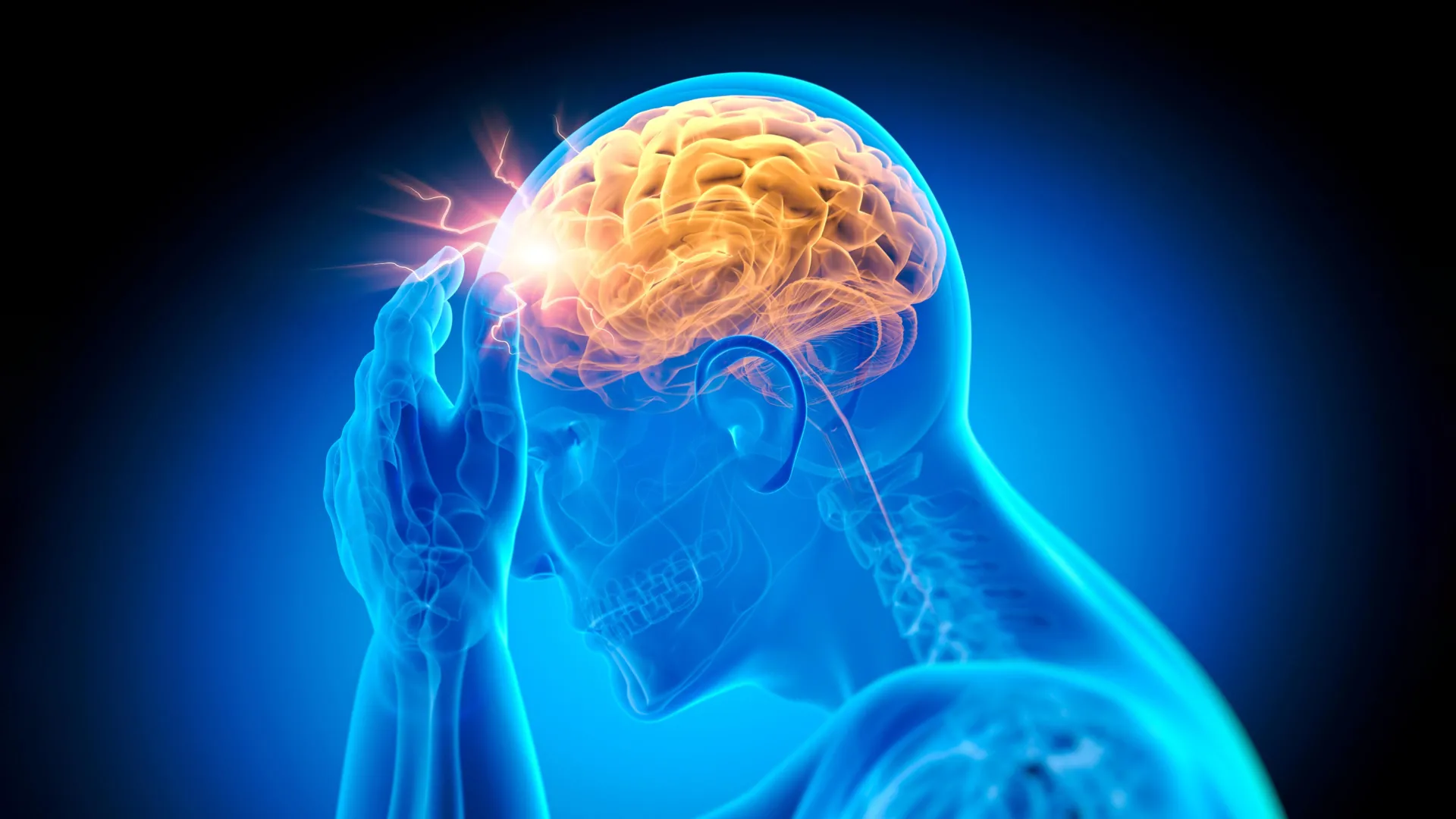
Scientists Identify Brain Protein FTL1 That Drives Aging and Successfully Reverse Memory Loss
Breakthrough research shows reducing levels of a single protein can restore brain connections and improve cognitive performance in aging mice.
Scientists at UC San Francisco have identified a single protein called FTL1 that appears to be a major driver of brain aging, and remarkably, they have demonstrated that reducing its levels can reverse memory decline and restore neural connections in aging mice. The groundbreaking research represents a significant advance in understanding the molecular mechanisms behind cognitive decline and offers potential pathways for developing treatments to combat age-related memory loss in humans.
The research team tracked changes in genes and proteins in the hippocampus of mice over time, focusing on the brain region that plays a central role in learning and memory formation. Among all the molecular changes they examined, FTL1 stood out as the only factor that consistently differed between young and old animals. Older mice showed significantly higher levels of this protein, while simultaneously exhibiting fewer connections between neurons in the hippocampus and performing worse on standardized cognitive tests.
When researchers artificially boosted FTL1 levels in young mice, the effects were dramatic and concerning. The young animals' brains began to resemble those of much older mice, with simplified neural structures and degraded cognitive performance. Laboratory experiments revealed that nerve cells engineered to produce high amounts of FTL1 developed severely compromised structures, forming short, single extensions instead of the complex, branching networks characteristic of healthy brain cells.
The most remarkable findings came when the team reduced FTL1 levels in older mice, achieving what researchers described as "truly a reversal of impairments." The treated animals showed clear signs of neural recovery, with increased connections between brain cells and measurably improved performance on memory tests. Associate Director Saul Villeda noted that the results went far beyond merely delaying or preventing symptoms, representing genuine restoration of cognitive function.
Further investigation revealed that FTL1 also affects cellular energy metabolism, with higher protein levels slowing metabolic processes in the hippocampus of older mice. However, when researchers treated these cells with compounds that boost metabolism, they successfully prevented the negative effects associated with elevated FTL1. Villeda expressed optimism about the therapeutic potential, stating that these findings could pave the way for treatments targeting FTL1 and its effects, describing it as "a hopeful time to be working on the biology of aging."