Brain Scans Reveal Autism Is Not One Condition but at Least Two, Each With Its Own Biology
An international team links 'hyperconnectivity' and 'hypoconnectivity' signatures in brain imaging to distinct genetic and immune pathways, using mouse models as a biological Rosetta Stone.
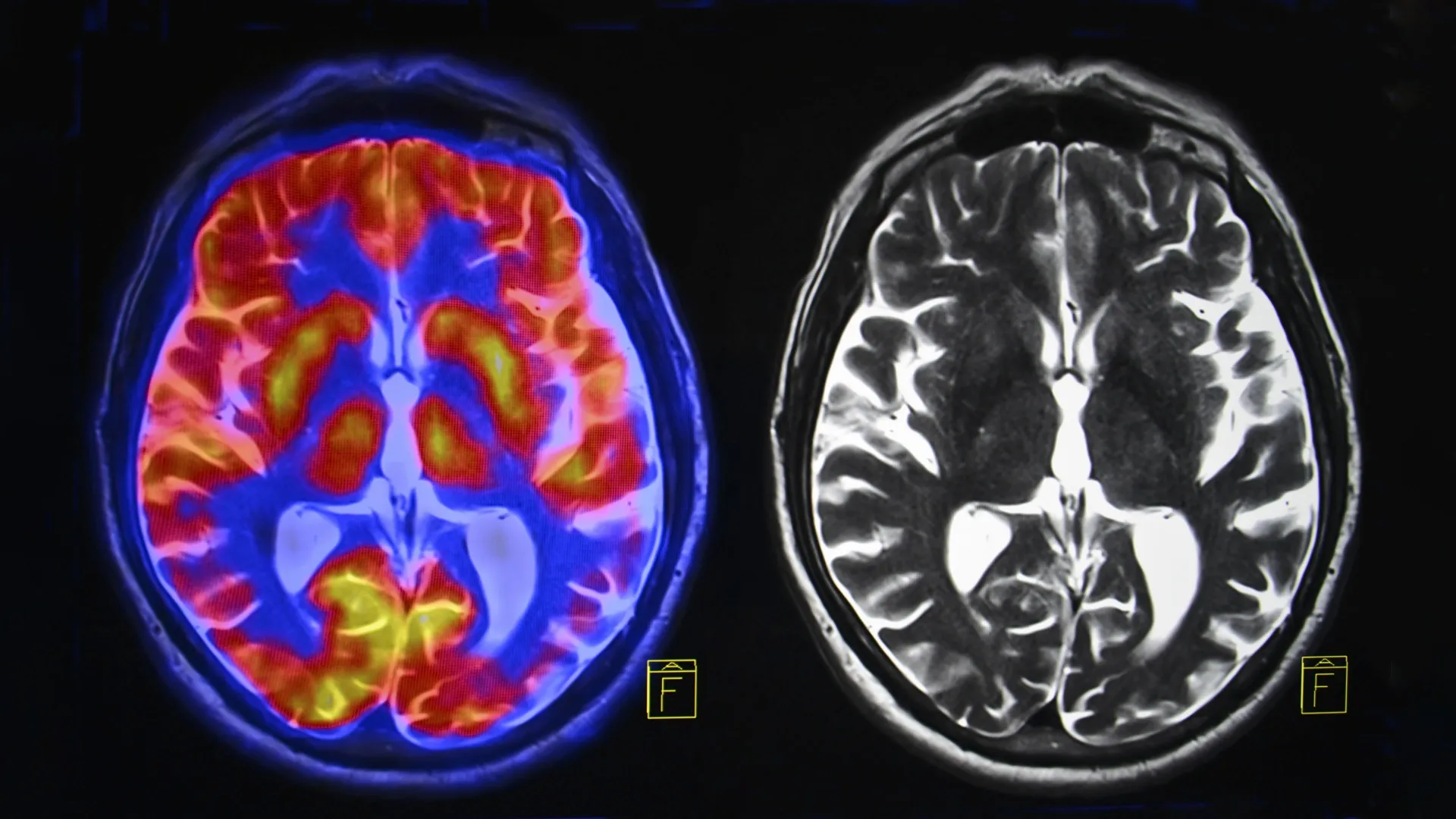
Autism may not be a single condition at all, but at least two biologically distinct disorders that happen to share an outward name, according to a major new study that for the first time ties patterns seen in human brain scans to their underlying genetic and immune causes.
Researchers analyzed functional MRI scans from 940 children and young adults with autism, along with more than 1,000 neurotypical individuals, and identified two opposite signatures in the way brain regions communicate. In one subtype, dubbed "hypoconnectivity," communication between certain brain regions was reduced. In the other, "hyperconnectivity," those regions talked to one another more than usual. Together, the two patterns accounted for roughly a quarter of the people studied, suggesting that what clinicians lump together as autism spectrum disorder may in fact be several conditions with different biological roots.
The breakthrough came from pairing human imaging with animal models. The team, led by the Istituto Italiano di Tecnologia in Rovereto, Italy, and the Child Mind Institute in New York, in collaboration with the University of Trento, examined 20 genetically engineered mouse lines, each carrying a different autism-linked genetic change. By measuring brain connectivity in the mice and tracing it back to specific molecular pathways, the scientists could decode what was driving the connectivity patterns they then found in humans.
The two subtypes mapped onto strikingly different biology. The hypoconnectivity pattern was linked to genes and pathways involved in synaptic signaling — the machinery that lets brain cells pass messages to one another. The hyperconnectivity pattern, by contrast, was associated with pathways tied to the immune system, hinting that inflammation or immune dysregulation may shape brain wiring in that group. "The mouse models gave us a biological Rosetta Stone," said Dr. Adriana Di Martino of the Child Mind Institute, allowing the team to translate animal data into an interpretation of human scans.
"Our approach enabled us to isolate specific genetic and immune factors, then translate those signatures to human brain scans," said Dr. Alessandro Gozzi of the Italian Institute of Technology, who helped lead the work. The findings were validated across multiple independent datasets, including the widely used Autism Brain Imaging Data Exchange, strengthening the case that the two signatures are real and reproducible rather than artifacts of a single sample.
The implications could be profound for a field long frustrated by the difficulty of developing treatments that work across the enormous diversity of autism. If the disorder can be sorted into biologically defined subtypes, researchers might one day match therapies to a person's specific underlying biology rather than to a one-size-fits-all diagnosis. The study, published in the journal Nature Neuroscience, does not offer such treatments yet, but it provides a framework — and a method — for finding them.