Scientists Find a Brain Protein, SORLA, That Shields Against Alzheimer's Toxic Tau Tangles
Boosting the protein in mice sharply reduced tau buildup and brain shrinkage, pointing to a possible new line of defense against Alzheimer's and related dementias.

Scientists have identified a brain protein that appears to defend against one of the most destructive features of Alzheimer's disease — the toxic tangles of a protein called tau — offering a potential new target for treating the illness and other dementias.
In a study published July 17 in the journal Science Advances, researchers at Sanford Burnham Prebys reported that a protein known as SORLA protects against the biological processes that drive tau tangle formation and the death of brain cells. When the team increased SORLA levels in mice engineered to develop tau pathology, the animals showed dramatically less tau accumulation, reduced brain atrophy and lower activity of disease-related genes in the brain's support cells, compared with mice that had normal amounts of the protein.
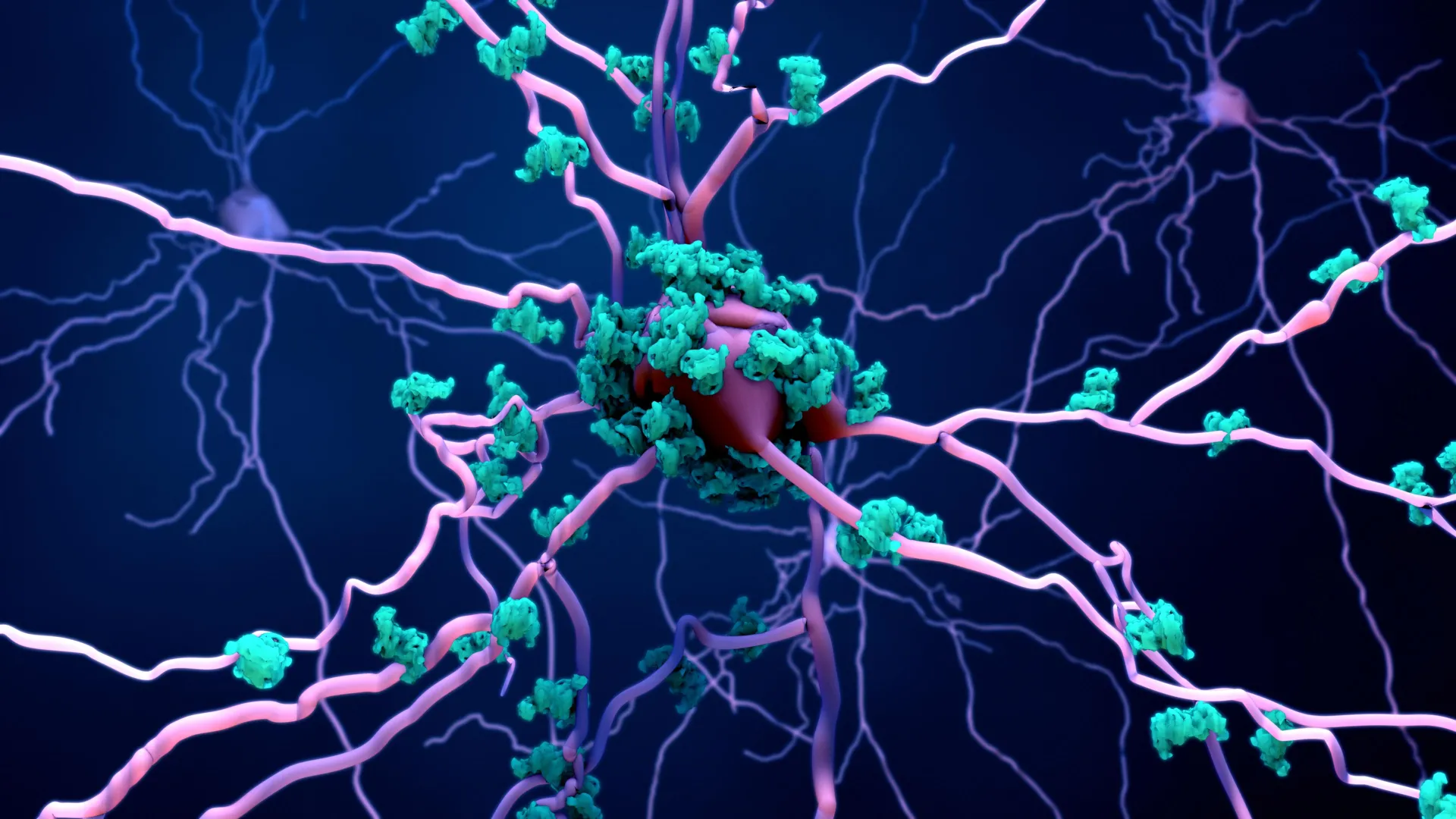
Tau tangles are a hallmark of Alzheimer's and of a broader family of disorders called tauopathies. In a healthy brain, tau helps stabilize the internal scaffolding of neurons, but in disease it becomes chemically altered — hyperphosphorylated — and clumps into tangles that choke and kill cells. Much of the field's attention has focused on amyloid-beta, the other signature protein of Alzheimer's, and SORLA was already known to help clear amyloid. The new work is significant because it shows the same protein also blunts the tau side of the disease.
"An overabundance of SORLA protects against the processes linked to tau tangles," the researchers reported, noting that the protein reduced the harmful hyperphosphorylation of tau itself. That dual role — acting against both amyloid and tau — makes SORLA an unusually attractive candidate, because most experimental therapies address only one of the two pathways.
The findings come with important caveats. The work was done in mice, and treatments that succeed in rodents frequently fail in human trials, a pattern that has haunted Alzheimer's research for decades. The team did not yet demonstrate a practical way to raise SORLA levels safely in people, and much remains unknown about how the protein exerts its protective effects across different brain regions and stages of disease.
Still, the researchers said the results open a promising avenue. Future work will aim to clarify exactly how SORLA guards against tau toxicity and whether its effects could eventually be harnessed as a therapy. With Alzheimer's affecting tens of millions of people worldwide and effective treatments still scarce, the prospect of a single protein that pushes back against both of the disease's defining culprits is one scientists are eager to pursue.