SuperAgers Keep Sharp Memories Into Their 80s, and a New Study Says Their DNA Doesn't Explain It
Researchers compared 142 people with exceptional memory against 89 typical peers and found no genetic advantage — not in APOE, not in polygenic risk scores, not even in rare protective variants.
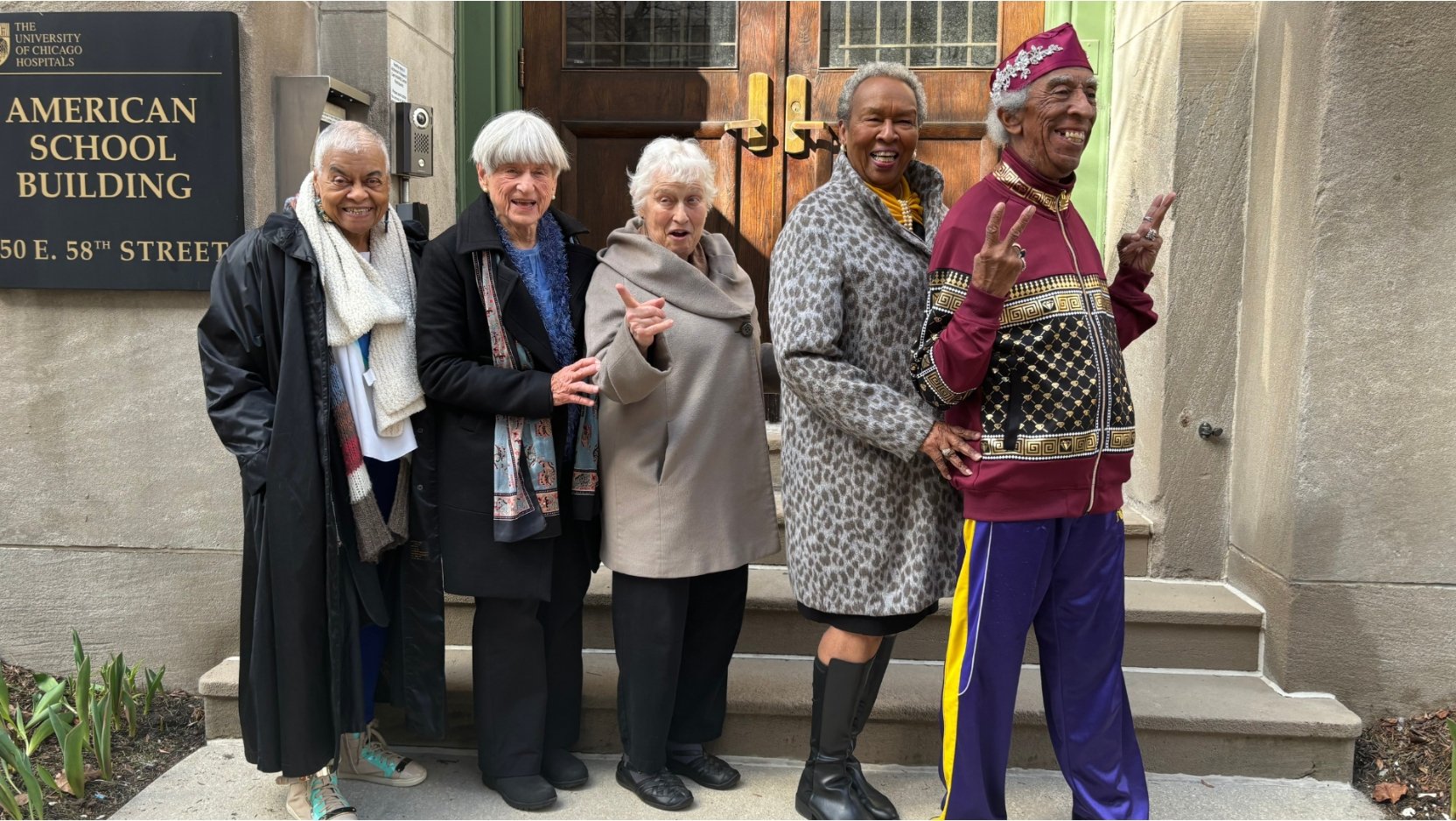
A small group of people reach their 80s and 90s with memories that test as well as those of adults thirty years younger. Researchers call them SuperAgers, and the obvious explanation has always been that they simply drew a better genetic hand. A new study says that explanation is wrong.
A team led by Emily Rogalski of the University of Chicago Medical Center's Healthy Aging & Alzheimer's Research Care Center, working with the Translational Genomics Research Institute at City of Hope, compared 142 SuperAgers against 89 older adults with typical cognitive performance, recruited across five regional sites in the United States and Canada. Using DNA from blood samples, they examined APOE — the single strongest common genetic risk factor for Alzheimer's disease — and calculated three separate polygenic risk scores, each tallying thousands of variants linked to inherited risk.
Nothing separated the two groups. SuperAgers could not be distinguished from their cognitively average peers on APOE status or on any of the polygenic scores. The researchers then looked specifically for rare protective variants previously tied to resilience against Alzheimer's, expecting those at least to be enriched among the SuperAgers. They were not.
"Exceptional memory in a person's 80s does not appear to result from having exceptionally low inherited risk for Alzheimer's disease," co-first author Ana Capuano said. The finding, published in Alzheimer's Research & Therapy under the title "SuperAging is not the inverse of common variant Alzheimer's risk," held across genetic ancestries — an important detail, since most Alzheimer's genetics has been built on cohorts of European descent and the field has been criticized for it.
The negative result reframes a research program. For two decades, much of the work on cognitive aging has treated the spectrum as one-dimensional: high genetic risk at one end, dementia; low genetic risk at the other, preserved memory. If SuperAging were simply the mirror image of Alzheimer's risk, the genes should have shown it. Instead the data suggest SuperAging is its own phenomenon, driven by something the current genetic toolkit does not capture — brain structure, immune and inflammatory signaling, cardiovascular health, sleep, education, social engagement, or gene-environment interactions that polygenic scores are not designed to see.
Earlier work from the same research initiative has documented that SuperAgers' brains look physically unusual: their cortex thins more slowly, and some carry an abundance of von Economo neurons, cells associated with social processing. Those are physical traits without an identified genetic source. The practical implication is cautious but real — the study says nothing about whether SuperAging can be cultivated, only that a genetic test is not going to tell an 80-year-old whether they have it. That leaves the modifiable factors, the ones researchers can actually intervene on, as the place to look next.