Scientists Discover Brain's Hidden 'Stop Scratching' Switch
Researchers identify TRPV4 molecule as key component in nervous system's natural itch relief mechanism.

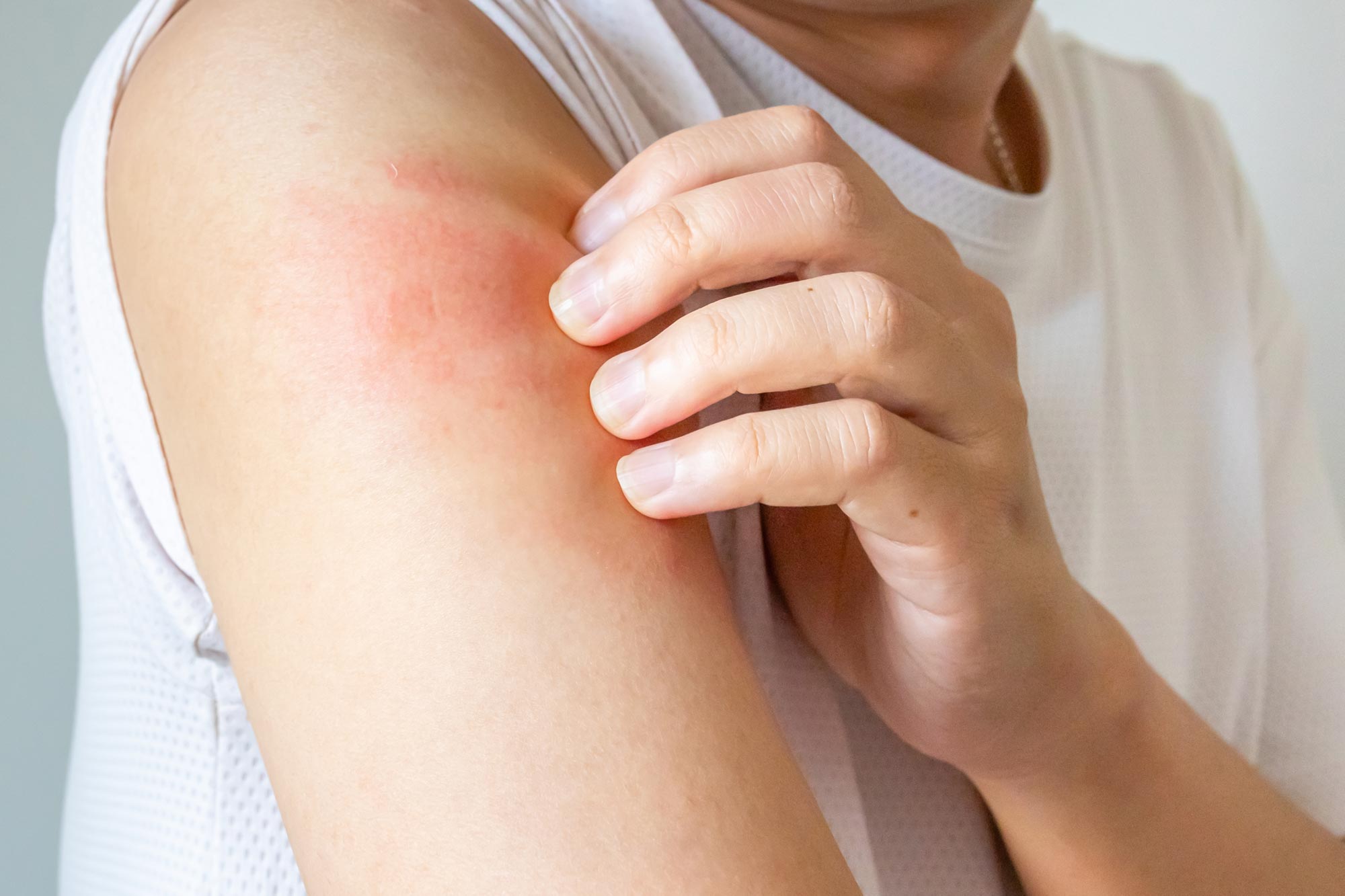
Scientists at the University of Louvain in Brussels have uncovered a previously unknown biological mechanism that tells the brain when enough scratching has occurred to relieve an itch. The discovery centers on a molecule called TRPV4, which functions as part of an internal braking system that regulates scratching behavior. When this molecular switch is absent, mice in experiments scratched less frequently overall, but each scratching episode lasted much longer than normal, revealing the crucial role this pathway plays in itch satisfaction.
The research, presented at the 70th Biophysical Society Annual Meeting, emerged from work initially focused on pain mechanisms. "We were initially studying TRPV4 in the context of pain," explained researcher Roberta Gualdani. "But instead of a pain phenotype, what emerged very clearly was a disruption of itch, specifically, how scratching behavior is regulated." TRPV4 belongs to a family of ion channels that function like molecular gateways in sensory nerve cells, allowing ions to move through cell membranes in response to physical or chemical changes.
To investigate the mechanism more precisely, Gualdani's team created genetically engineered mice in which TRPV4 was removed only from sensory neurons, avoiding the complications of earlier studies that deleted the molecule throughout the entire body. Using genetic analysis, calcium imaging, and behavioral testing, the researchers found that TRPV4 appears in touch-sensitive neurons known as Aβ low-threshold mechanoreceptors. The channel was also present in certain sensory neurons connected to itch and pain pathways.
The team then created a chronic itch condition in mice that resembled atopic dermatitis, similar to human eczema. The results revealed a surprising paradox: mice missing TRPV4 scratched less often but couldn't stop once they started scratching. "At first glance, that seems paradoxical," Gualdani noted. "But it actually reveals something very important about how itch is regulated." The findings suggest that TRPV4 doesn't create the itch sensation itself, but rather helps activate a negative feedback signal that informs the nervous system when scratching has provided sufficient relief.
This discovery has significant implications for understanding chronic itch disorders, where normal scratching relief mechanisms appear to break down. Without the TRPV4-mediated feedback system, the sense of satisfaction from scratching becomes weaker, causing scratching episodes to continue for extended periods. "When we scratch an itch, at some point we stop because there's a negative feedback mechanism," the researchers explained. The identification of this molecular pathway could lead to new treatments for conditions like eczema, psoriasis, and other chronic itch disorders that severely impact patients' quality of life.