Scientists Accidentally Discover DNA That Breaks the Rules of Life
A routine experiment with single-cell DNA sequencing revealed a microscopic pond organism that rewrites how genes signal their end, challenging fundamental assumptions about genetic translation.
A routine test of single-cell DNA sequencing technology has led to an extraordinary discovery that challenges one of biology's most fundamental principles. Researchers at the Earlham Institute were simply trying to validate a new sequencing pipeline when they stumbled upon a microscopic organism from an Oxford University pond that appears to use the genetic code in a completely unprecedented way. The organism, identified as Oligohymenophorea sp. PL0344, represents a previously unknown species that has rewritten the basic rules governing how genetic information is translated into proteins.
"It's sheer luck we chose this protist to test our sequencing pipeline, and it just shows what's out there, highlighting just how little we know about the genetics of protists," said Dr. Jamie McGowan, the postdoctoral scientist who led the study. The team discovered that two codons normally associated with gene stopping signals had been reassigned to code for different amino acids—a combination that researchers described as previously unreported in scientific literature. This finding represents a significant departure from what scientists call the "universal" genetic code.
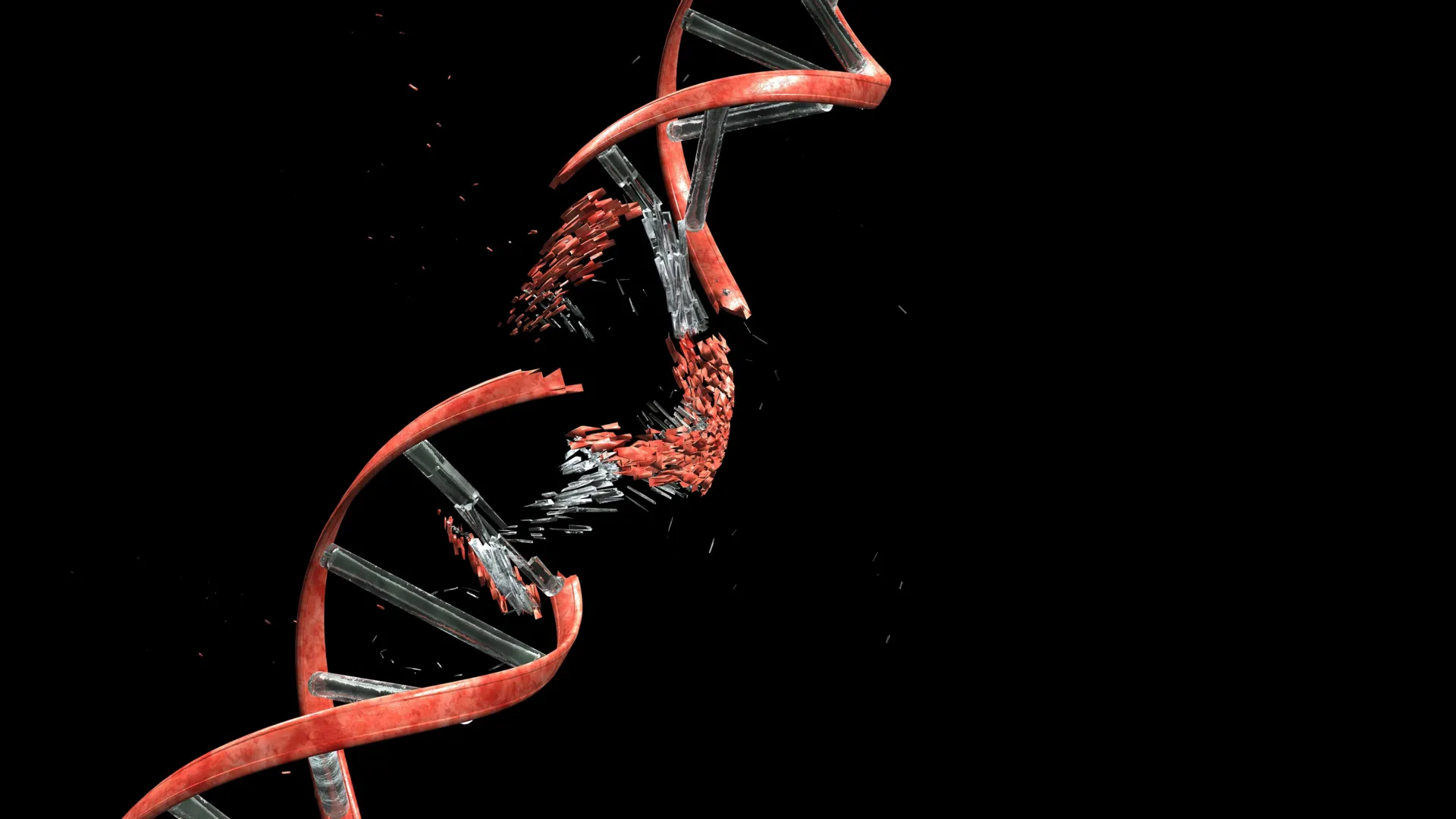
The genetic code has long been described as nearly universal because virtually all known life forms use the same basic system where three-letter DNA sequences called codons specify which amino acids should be used to build proteins. Three specific codons—TAA, TAG, and TGA—serve as stop signals, telling cellular machinery where a gene ends. These function like punctuation marks in the genetic instructions, and variations from this standard system are extremely rare in nature.
Oligohymenophorea sp. PL0344 belongs to a group called ciliates, swimming protists that can be observed under a microscope and are found in many aquatic environments. Ciliates have become particularly interesting to geneticists because they represent known hotspots for genetic code changes, including modifications involving stop codons. However, the specific pattern discovered in this organism had never been documented before, making it a unique example of how evolution can reshape even the most fundamental biological processes.
The discovery has important implications for understanding the flexibility of life's basic molecular machinery and suggests that nature may be far more creative in its genetic solutions than previously realized. The finding also raises questions about how many other unusual genetic systems might exist in unexplored microorganisms, potentially offering new insights into the evolution of life and the development of biotechnology applications that could harness these alternative genetic codes.