Cambridge Laser Chip Hits 362 Gbps Indoor Wireless at Half the Energy of Wi-Fi
A penny-sized array of 25 infrared lasers transmitted data 4,500 times faster than Wi-Fi 6 in lab tests, using light instead of radio waves in a breakthrough that could transform office, hospital, and factory connectivity.

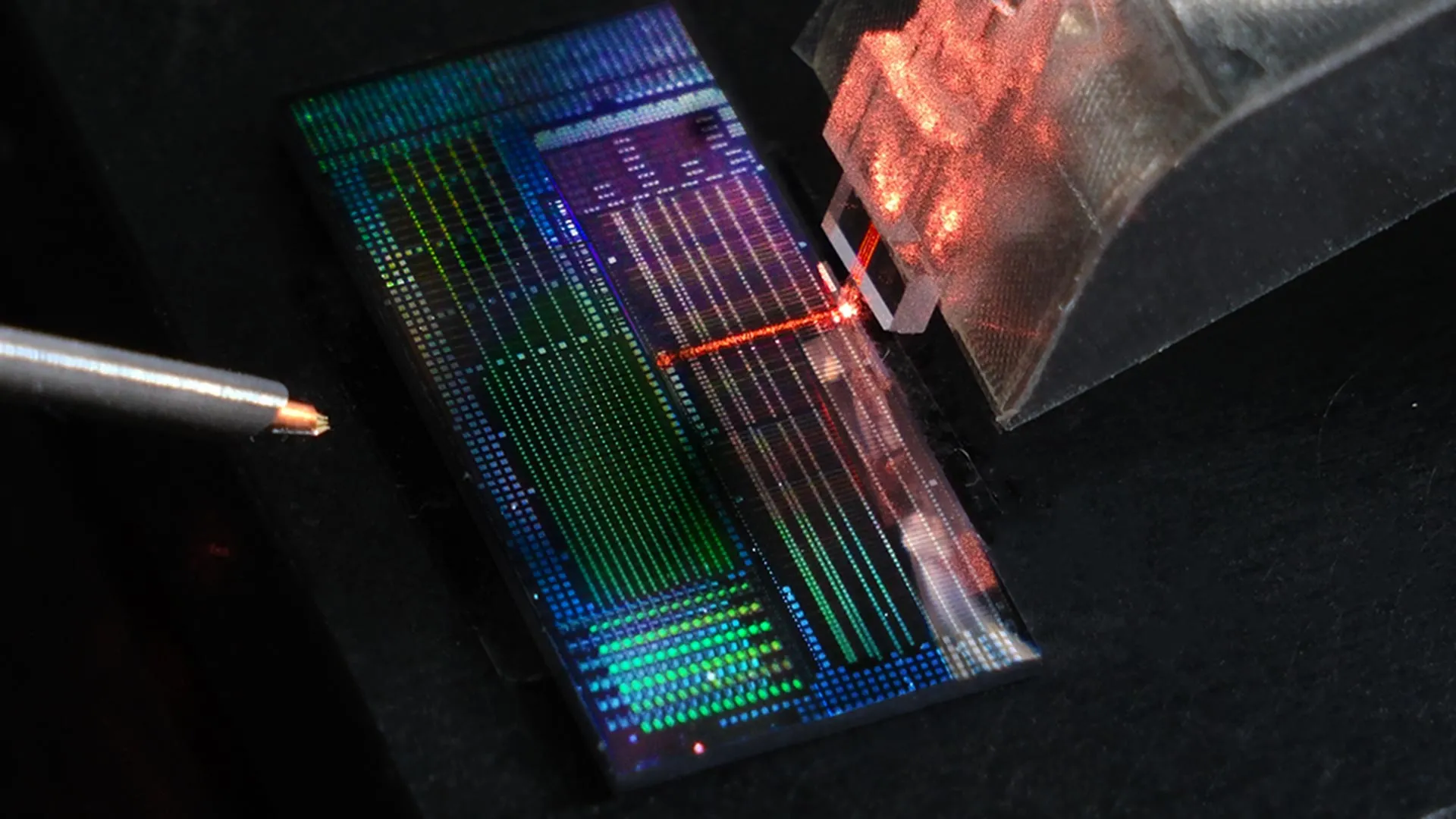
Researchers at the University of Cambridge have developed a chip-scale optical wireless system that transmits data at 362.7 gigabits per second — a speed that dwarfs the fastest current Wi-Fi standards — while consuming roughly half the energy of leading Wi-Fi technologies. The breakthrough, published in Advanced Photonics Nexus in March 2026, could transform high-capacity indoor wireless connectivity for offices, hospitals, factories, and data centers, using light rather than radio waves to deliver internet at previously unattainable speeds.
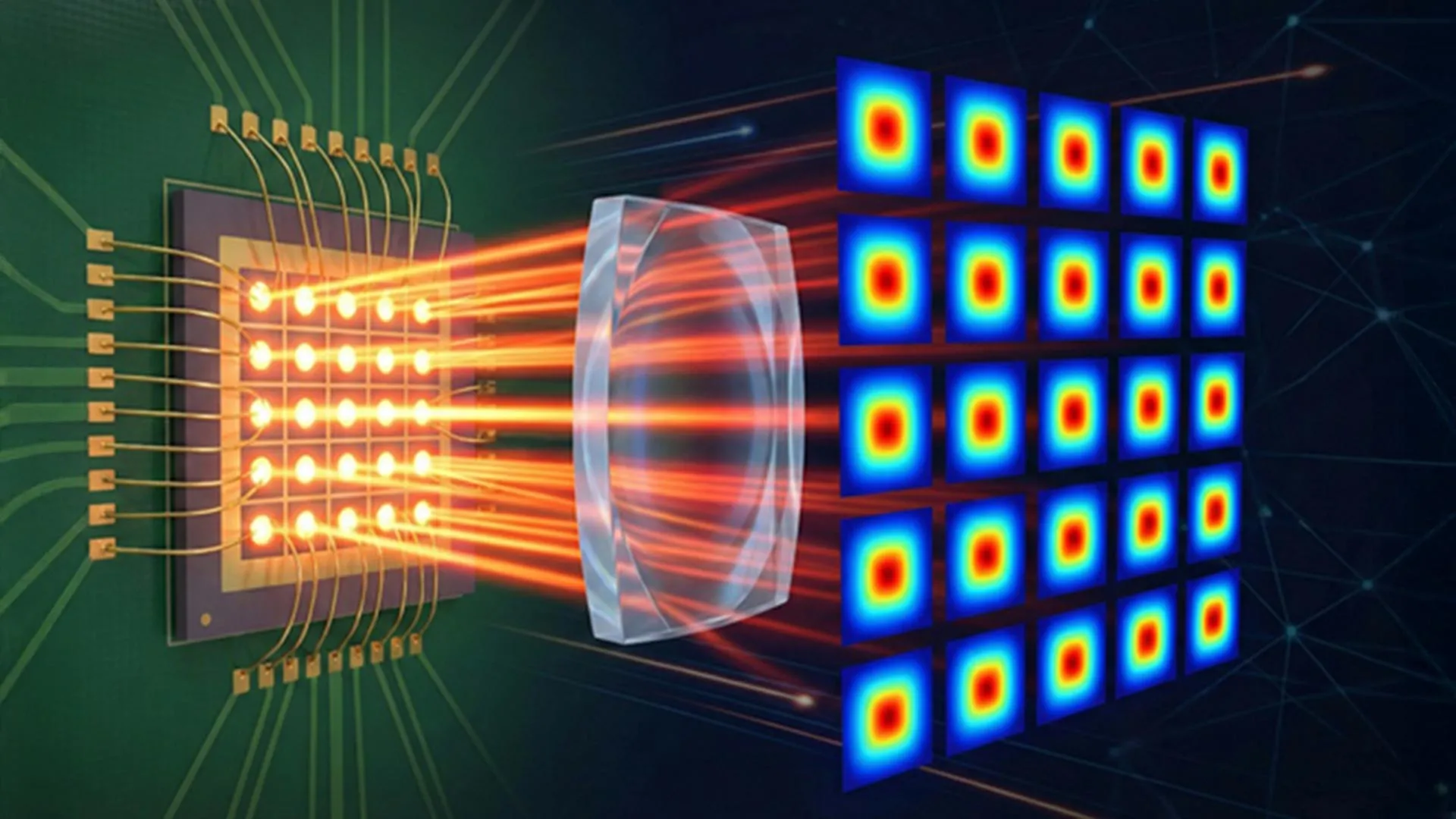
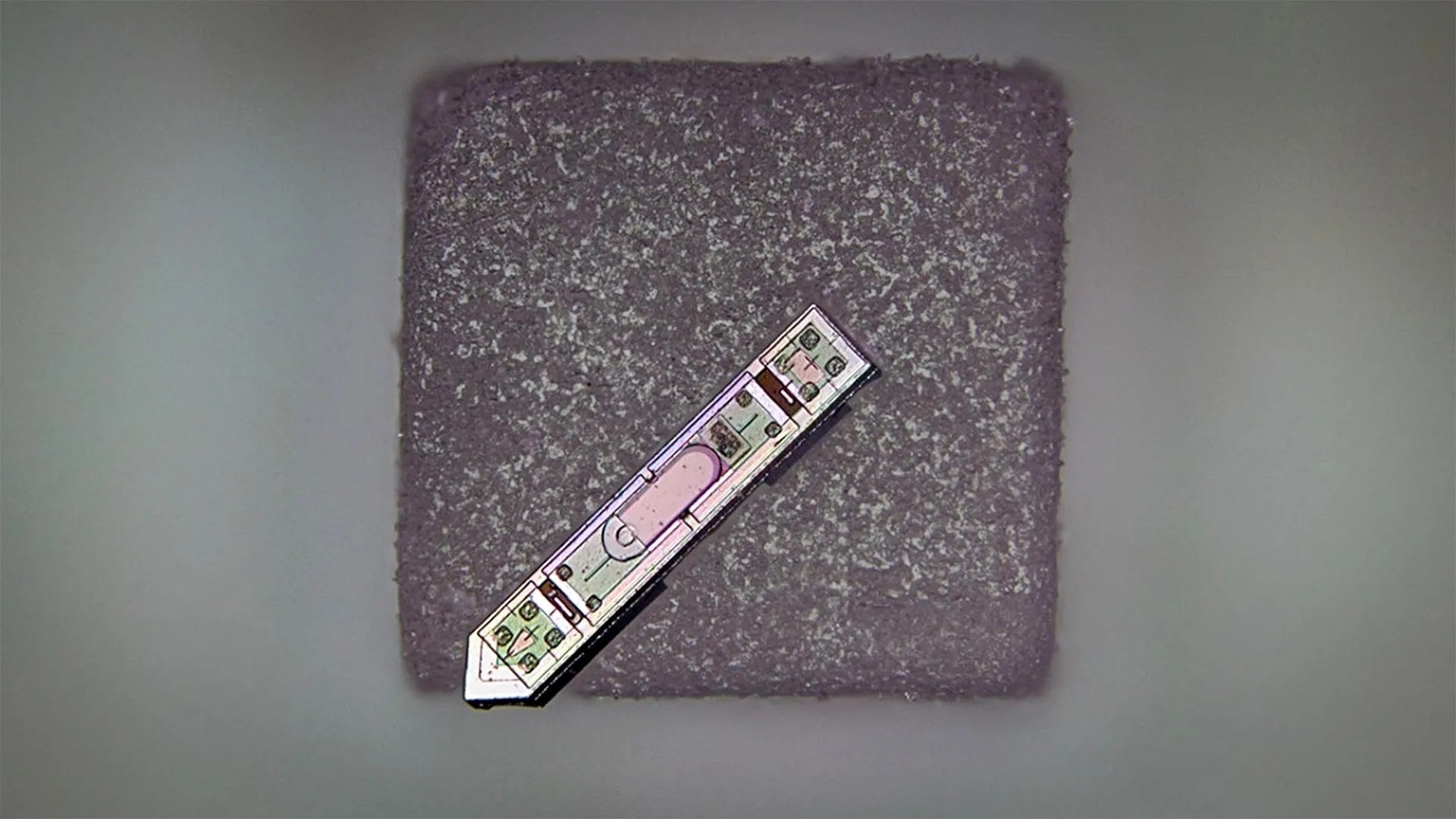
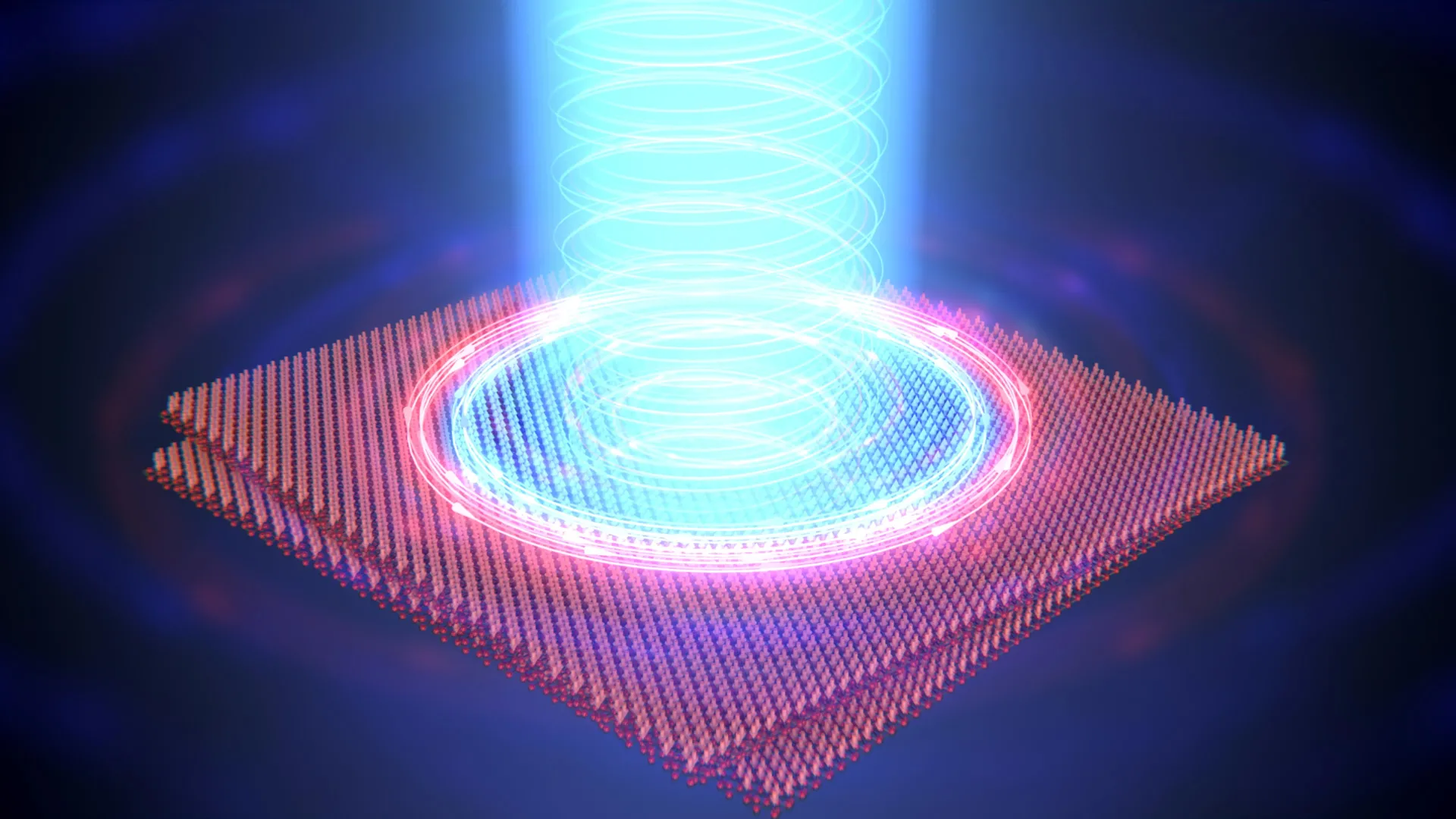
The system is built around a 5-by-5 array of vertical-cavity surface-emitting lasers, or VCSELs — infrared semiconductor lasers smaller than a millimeter that can be manufactured at scale using standard chip fabrication techniques. Each of the 25 lasers independently transmits data using frequency-division multiplexing, and during testing 21 of the 25 were active, with individual lasers reaching data rates between 13 and 19 gigabits per second. Combined, the system achieved an aggregate throughput of 362.7 gigabits per second over a two-meter free-space optical link — one of the highest speeds ever reported for a chip-scale optical wireless transmitter.
The key technical challenge the Cambridge team solved was preventing the multiple light beams from interfering with one another. Using many simultaneous beams in the same space risks catastrophic signal overlap, which would destroy data integrity. The researchers designed custom optics — including a microlens array that first aligns and collimates the light from each laser, followed by additional lenses that organize the beams into a structured grid of uniform square illumination areas at the receiver. The system achieved over 90 percent beam uniformity across the illuminated region at a distance of two meters, enabling parallel interference-free data links to operate simultaneously.
Lead researcher H. Safi and colleagues measured energy consumption at approximately 1.4 nanojoules per bit — roughly half the energy required by state-of-the-art Wi-Fi technologies operating under comparable conditions. The system also demonstrated multi-user capability, delivering four simultaneous independent beams with a combined data rate of approximately 22 gigabits per second. That multi-user architecture is particularly important for real-world deployment, where many devices typically share the same wireless access point at the same time.
The researchers are careful to frame the technology as a complement to existing wireless standards rather than a replacement. Wi-Fi and cellular networks cover large areas and pass through walls; optical wireless cannot. But for specific high-demand environments — rooms, offices, factories, or public venues where enormous data throughput is needed and line-of-sight links are feasible — the technology offers compelling advantages in both speed and energy efficiency. Potential deployment scenarios include integration into ceiling lighting fixtures or wireless access points, where the devices could serve as optically connected base stations delivering gigabit connectivity to nearby devices. As data center operators face mounting pressure to reduce energy consumption while handling exponentially growing traffic, systems that can dramatically cut the energy cost per bit of wireless data transmission represent a major commercial opportunity.