NASA Perseverance Finds Compelling Organic Biosignatures in Mars Crater Rocks
Scientists describe the complex organic molecules found in Jezero Crater sediments as the most compelling evidence yet for past life — or conditions favorable to it — on Mars.

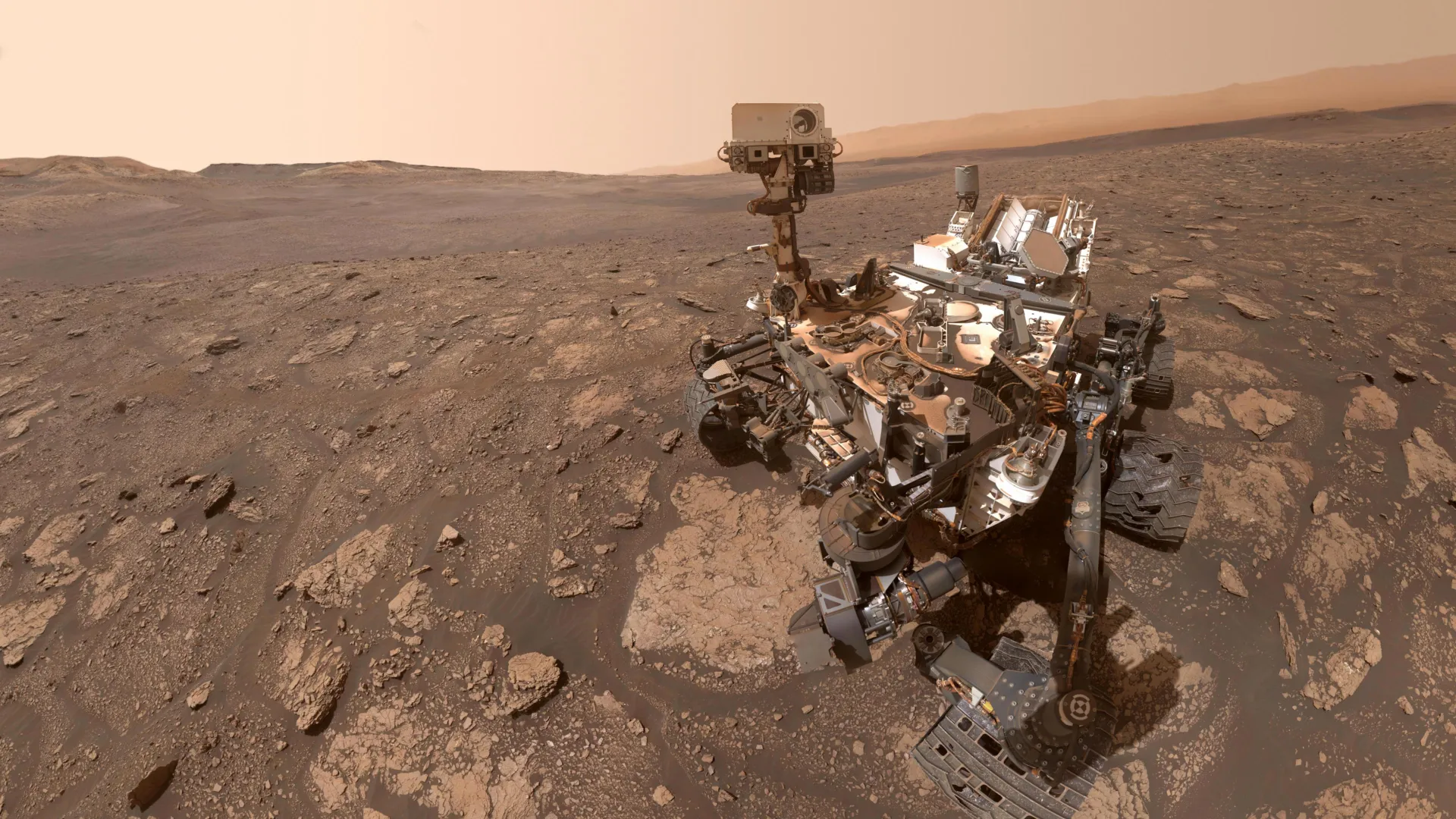
NASA's Perseverance rover has detected a suite of organic compounds in sedimentary rocks at the Jezero Crater margin that scientists with the Mars 2020 mission describe as the most complex and biosignature-relevant collection of carbon-bearing molecules found on Mars to date, according to results published Tuesday in the journal Astrobiology. The discovery, made using the rover's SHERLOC ultraviolet Raman and fluorescence spectrometer, does not constitute evidence of life but represents what the research team called a significant narrowing of the gap between finding organic chemistry on Mars and finding organic chemistry that could plausibly have been produced by biology.
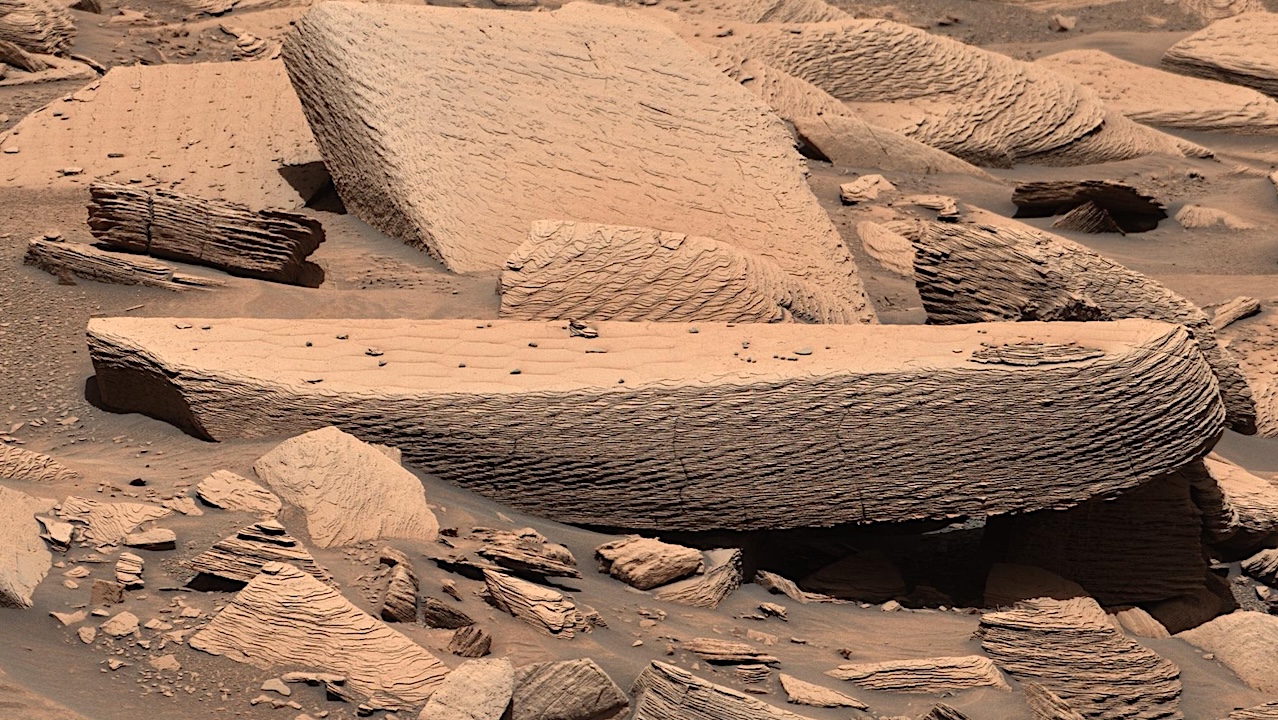
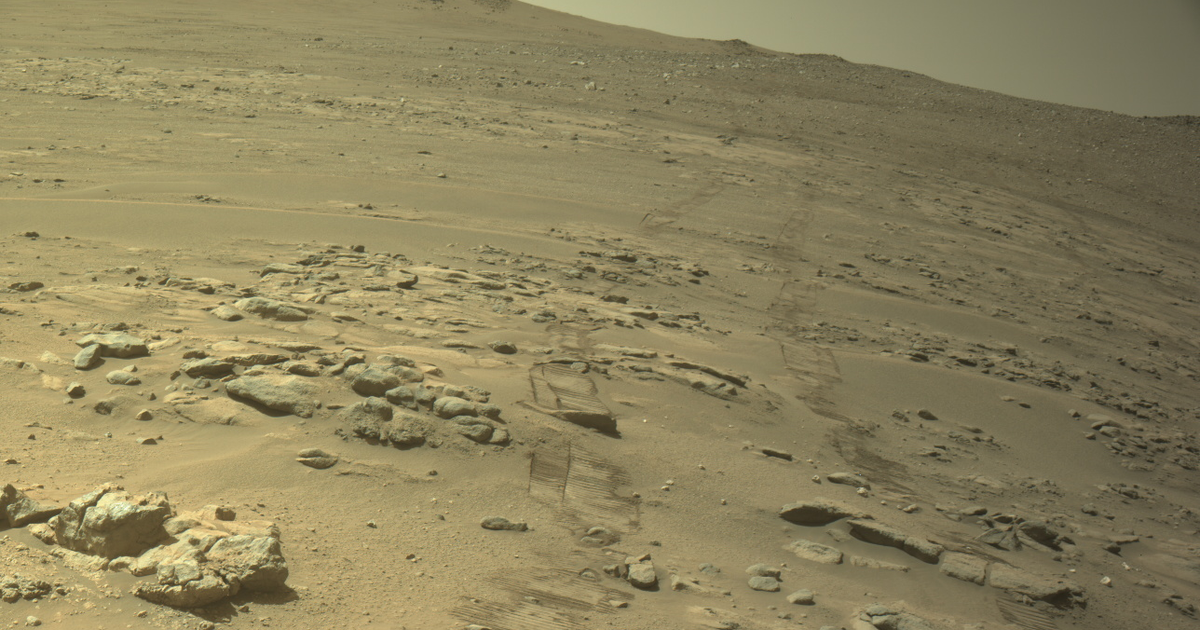
Perseverance has been systematically exploring the delta deposit at the western margin of Jezero Crater, a structure that ancient river sediments built into the crater's former lake approximately 3.5 billion years ago. The delta is considered a prime target for biosignature search because lake deltas on Earth concentrate and preserve organic matter from biological and chemical sources in ways that could survive for billions of years. Previous analyses by SHERLOC had found simpler aromatic hydrocarbons in delta rocks, but the new findings from a set of core samples drilled from a stratigraphic unit the team calls the Thornton Gap member showed a richer molecular signature including aromatic compounds with nitrogen-bearing substituents, sulfur-bearing aromatics, and aliphatic compounds with carbon chain lengths in the range relevant to biological lipids.
The molecular complexity and specific combination of compounds is what distinguishes the Thornton Gap findings from earlier organic detections on Mars, according to the research team. On Earth, assemblages of this type — particularly the combination of nitrogen aromatics with sulfur aromatics and aliphatic chains — are typically produced by biological processes, including microbial decomposition of cellular material or diagenetic transformation of biological organic matter over geological timescales. Abiotic processes including meteorite delivery, serpentinization reactions, or atmospheric photochemistry can produce some of these compound classes individually, but the simultaneous presence of all of them in a single sample is less easily explained by known abiotic chemistry.
The caveat the research team was careful to emphasize was that no single organic compound or compound class can definitively confirm biology because all known organic molecules can in principle be produced through chemistry that does not involve life. Definitive evidence for past life on Mars — if it exists — will likely require either a sample return mission that allows analysis by Earth laboratory instruments many orders of magnitude more sensitive and comprehensive than anything that could be sent to Mars, or the discovery of cellular fossils or other macroscopic biological structures that could not be produced abiotically.
The Thornton Gap drill cores are among the samples being cached by Perseverance for eventual retrieval by the Mars Sample Return campaign. NASA and the European Space Agency are currently assessing options for an expedited sample return mission following a redesign of the original MSR architecture in 2024.