After 37 Years of Heated Soil, a Harvard Forest Experiment Finds Even 'Stable' Carbon Is Escaping
The world's longest-running soil warming study reports that carbon once thought locked away for good is breaking down as temperatures rise — a feedback that could amplify future warming.
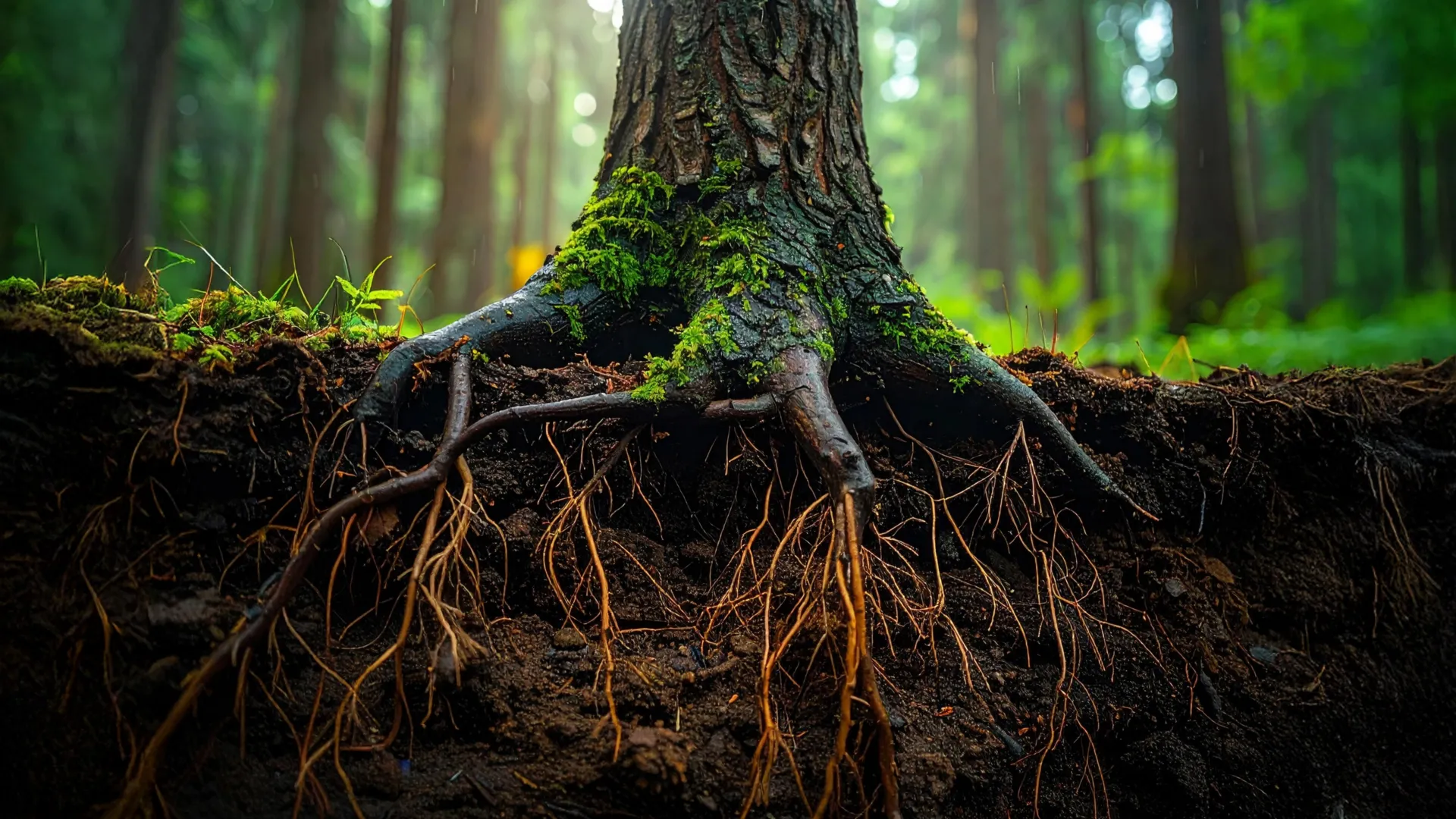
The longest-running soil warming experiment in the world has delivered an unsettling result: even the carbon locked in soils that scientists long believed was too stable to break down is beginning to escape as the ground warms, potentially feeding a vicious cycle that accelerates climate change.
For 37 years, Jerry Melillo, a distinguished scientist at the Marine Biological Laboratory in Woods Hole, Massachusetts, has run heated experimental plots in the Harvard Forest in central Massachusetts, warming patches of soil a few degrees above normal and tracking what the ground gives up in response. The experiment is a rare window into how forest soils — one of the planet's largest reservoirs of carbon — respond to sustained warming over decades rather than a few seasons.
The newest and most concerning finding emerged during the experiment's fourth decade. Researchers observed that stable portions of soil organic matter — the fraction long assumed to resist warming-driven decomposition and to keep carbon locked away for centuries — also began to break down. As microbes in the warmed soil consumed that material, they released additional carbon dioxide into the atmosphere. "Even carbon once considered stable can begin to break down as temperatures rise," the study reports, overturning a comfortable assumption baked into many climate projections.
The mechanism is biological. Warming reshapes the communities of microbes living in the soil, and as those communities shift they become capable of attacking organic matter they previously left alone. That matters because it sets up a self-reinforcing loop: as the planet warms, soils emit more carbon; that extra carbon dioxide traps more heat; the added heat warms soils further, prompting still more emissions. Such feedbacks are among the hardest things for climate models to capture, and they can turn a carbon sink into a carbon source.
The results, published in the journal Science of the Total Environment, carry weight precisely because of their duration — nearly four decades of continuous measurement at a single site, something almost no other experiment can claim. Short-term studies can miss slow-building changes like the breakdown of stable carbon, which only became apparent after 30-plus years of warming. Melillo's plots suggest that as global temperatures climb, the world's soils may release far more carbon than expected, making the task of limiting warming harder still. It is a reminder that some of the most consequential climate signals reveal themselves only to those patient enough to keep watching.