Neanderthals and Early Humans Prized the Same Useless Seashells, Hinting at a Shared Symbolic World
At a cave in southern Türkiye, both human groups selectively gathered marine shells with no food value for more than 20,000 years — a sign, researchers say, of shared symbolic behavior.

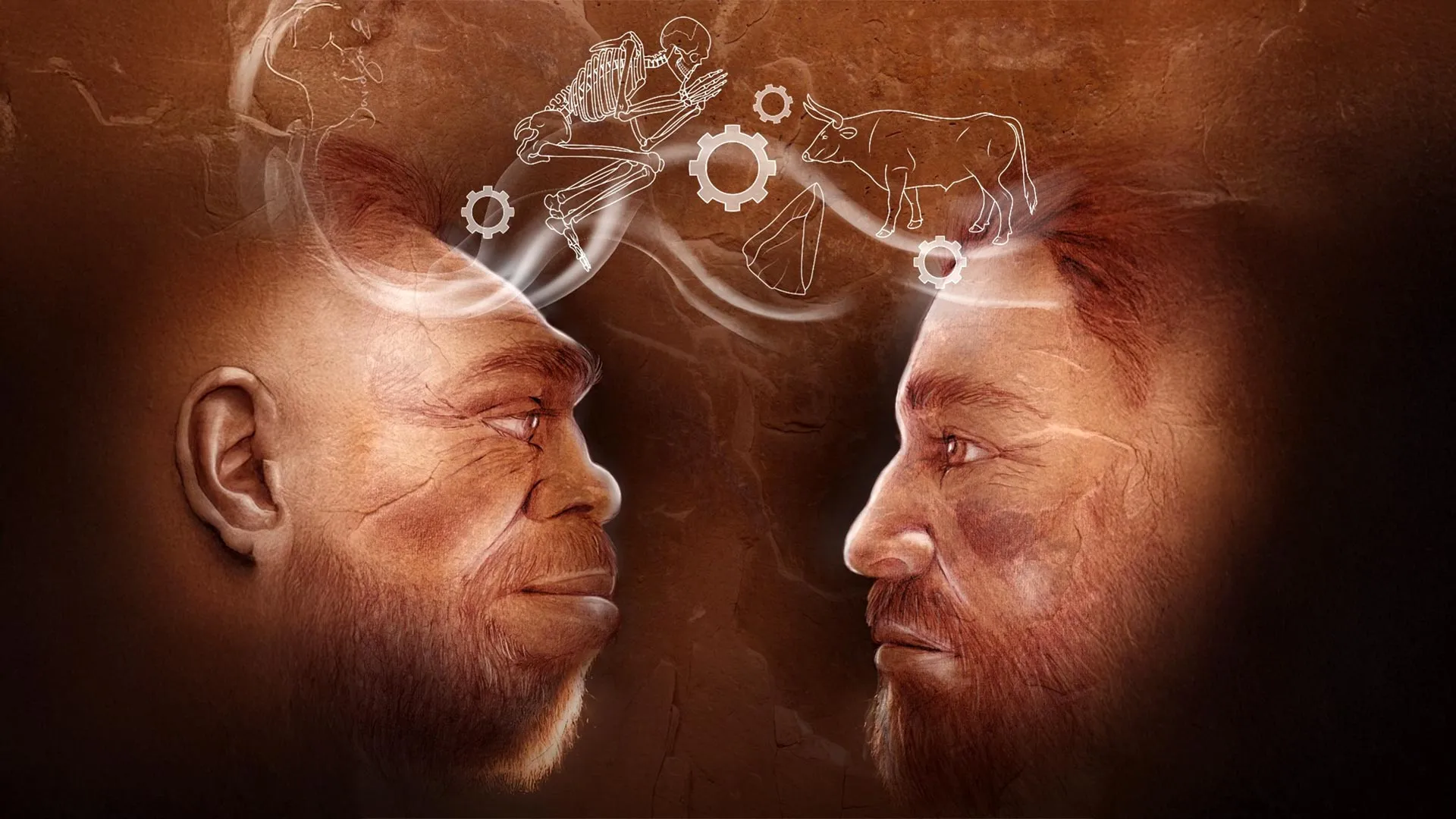
Neanderthals and early modern humans living in the same corner of the ancient world independently prized the same kind of seashell — one with no nutritional value whatsoever — suggesting the two closely related groups shared symbolic tastes that reached across the boundary between species, according to a new study.
The evidence comes from Üçağızlı II Cave in southern Türkiye, a site that preserves layers of occupation by both Neanderthals and Homo sapiens. An international team led by Naoki Morimoto of Kyoto University, with collaborators from Türkiye, France and Japan, spent five years excavating the cave millimeter by millimeter. They found that inhabitants across those layers repeatedly and selectively collected marine shells that could not have served as food — the kind of deliberate, non-utilitarian choice that archaeologists read as a marker of symbolic thought.
The recovered shells date to roughly 50,000 to 60,000 years ago, and the pattern of collecting them spans more than 20,000 years of the cave's history — a stretch long enough to cover occupations by both human groups. "These two distinct but closely related human groups were not just adapting to the same environment: they were probably sharing symbolic preferences," the researchers wrote in describing their findings, which were published July 6 in the Proceedings of the National Academy of Sciences.
The distinction matters because gathering objects that offer no practical benefit — no calories, no tools, no shelter — is one of the clearest behavioral signatures of a mind that assigns meaning to things. Perforated and pigment-stained shells found at other sites have long been interpreted as some of humanity's earliest ornaments. Finding the same selective habit shared by Neanderthals and modern humans at a single location suggests that capacity for symbolism was not unique to our species, and may have been exchanged — or independently held — where the two groups overlapped.
The site sits along a key corridor of the "Out of Africa" dispersal, the migration that carried modern humans out of the continent and into Eurasia, where they encountered Neanderthals already established there. By capturing both populations in one place over such a long span, Üçağızlı II helps fill a critical gap in that story, offering a rare window onto what happened when the two lineages met. Rather than a simple picture of one group replacing another, the shells hint at a more entangled reality — of neighbors who, across tens of thousands of years, reached for the same small tokens of meaning.