Scientists Sound the Alarm as 'Brain-Eating' Amoebae Spread to New Regions
Climate change and aging water systems are helping resilient free-living amoebae expand their reach, researchers warn — and the organisms can shelter other dangerous microbes inside them.
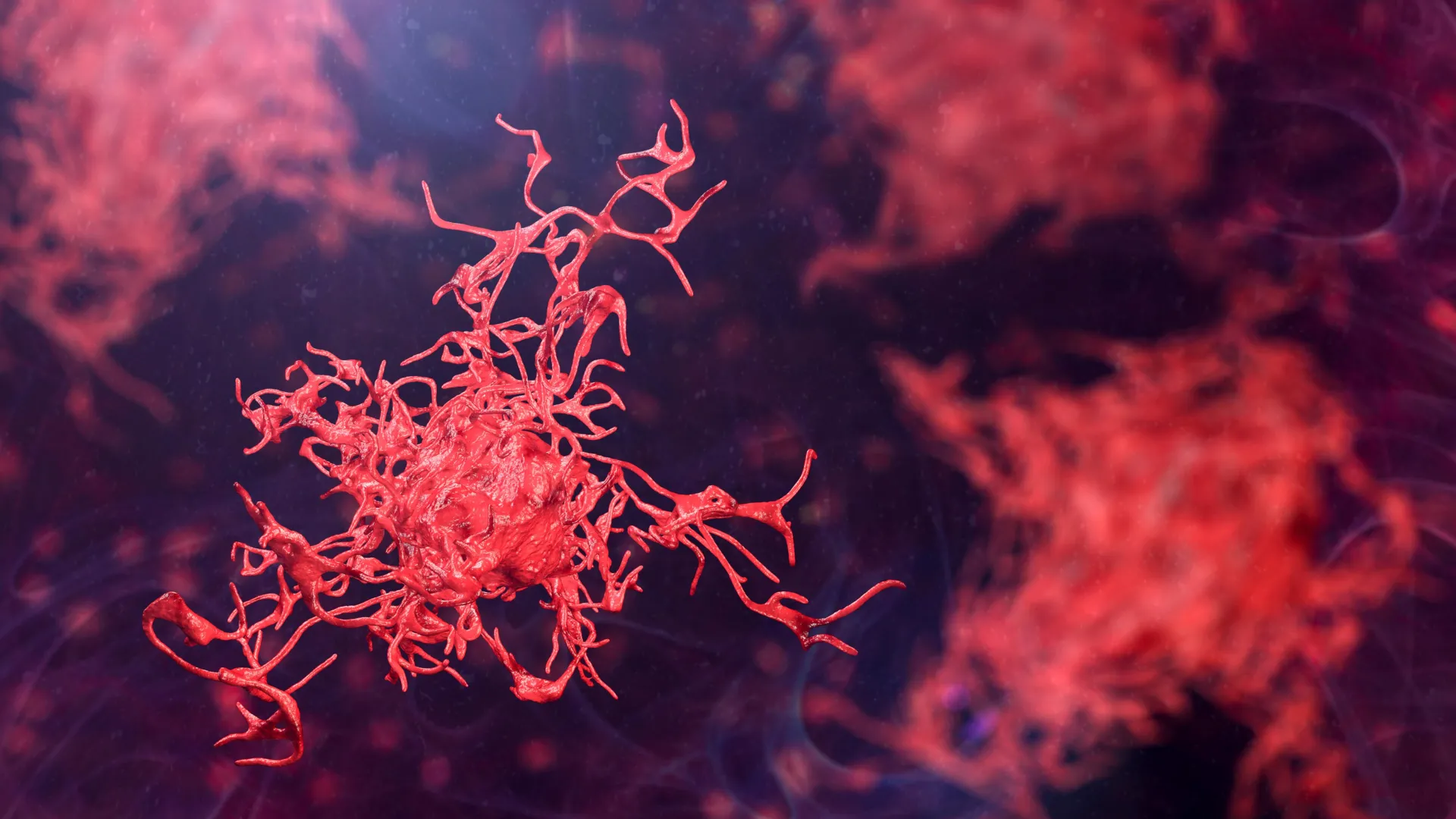
Scientists are warning that free-living amoebae — including the species behind a rare but almost-always-fatal brain infection — are spreading into new parts of the world, propelled by warming waters and aging infrastructure that give these hardy organisms more places to thrive.
The best-known of the group is Naegleria fowleri, often called the "brain-eating amoeba." It causes a devastating infection of the brain when contaminated water is forced up the nose, typically while swimming or diving in warm freshwater. Cases are uncommon, but they are overwhelmingly lethal, and researchers say the geographic range where the amoeba can survive is creeping outward as average water temperatures rise. Another genus of concern, Acanthamoeba, can cause serious infections of the eye and, in rare instances, the brain.
Part of what makes these microbes so difficult to control is their resilience. The amoebae can tolerate high temperatures and shrug off strong disinfectants such as chlorine, and they can take up residence inside the very water-distribution systems that people assume are safe. That means the threat is not confined to remote lakes and hot springs; it can extend to pipes, tanks and plumbing in homes and buildings, where the organisms persist despite routine treatment.
A further danger is the amoebae's role as living shelters for other pathogens. Bacteria and viruses can hide inside the single-celled organisms, where they are shielded from disinfectants and other treatment methods that would otherwise kill them. In effect, the amoebae can act as Trojan horses, ferrying and protecting harmful microbes through systems designed to keep water clean — a phenomenon that complicates efforts to ensure that treated water is truly free of disease-causing agents.
The researchers behind the warning, whose work was highlighted on June 6, argue that the combined pressures of climate change, deteriorating water infrastructure and expanded human contact with warm water bodies make the spread of free-living amoebae a growing and underappreciated public health concern. They are calling for stepped-up monitoring, better detection methods and greater public awareness, particularly in regions that have not historically had to reckon with the organisms.
For the public, the practical advice remains straightforward even as the science grows more worrying: avoid forcing untreated warm water up the nose, use sterile or properly boiled water for nasal rinses, and take infections seriously when symptoms appear, since early recognition is critical in the rare cases that turn deadly. The larger message from scientists is that organisms once dismissed as exotic curiosities of warm climates are becoming a problem that more communities — and more water utilities — will need to plan for.