Antarctic Ice Cores Extend Climate Record to 3 Million Years — Earth Far More CO2-Sensitive Than Thought
Oregon State University researchers drilling in Antarctica's Allan Hills found that CO2 levels three million years ago were 250 ppm — yet temperatures were far warmer than expected, suggesting standard climate models badly underestimate Earth's sensitivity.
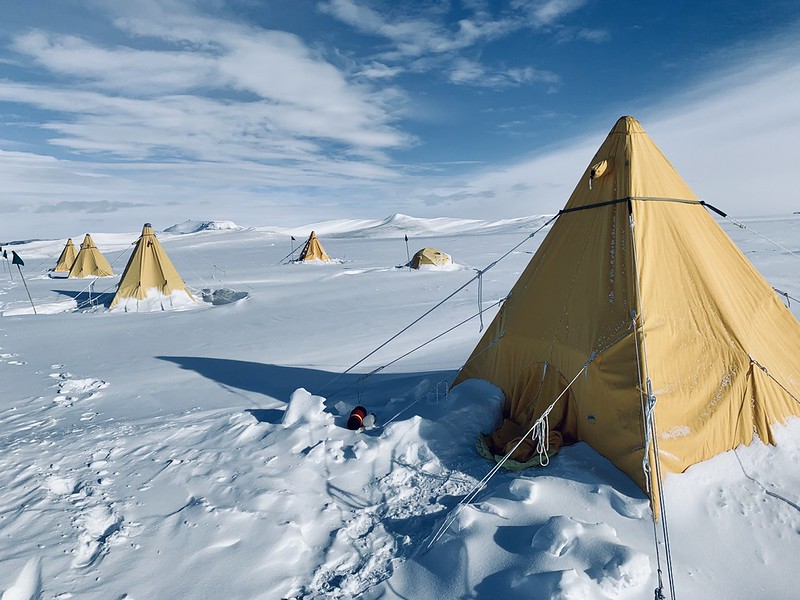
Scientists at Oregon State University have extracted ice cores from Antarctica dating back three million years, extending the planet's continuous climate record by nearly a million years and revealing that Earth's climate system is significantly more sensitive to changes in atmospheric carbon dioxide than previously understood. The research, led by Julia Marks-Peterson, a doctoral student at OSU's Center for Oldest Ice Exploration, represents one of the most important paleoclimate breakthroughs in recent memory.
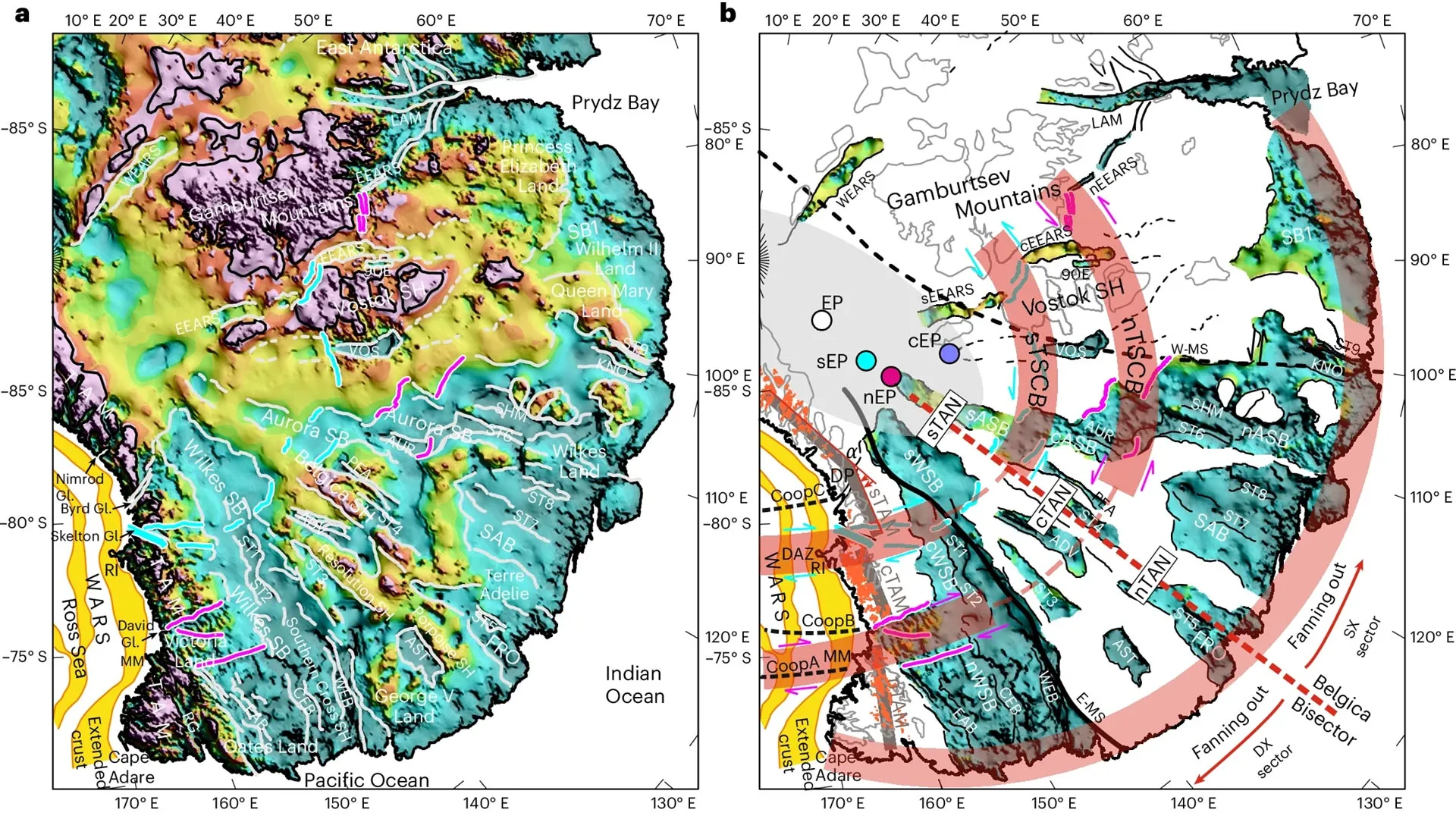
The cores were drilled one meter at a time from a site in the Allan Hills region of East Antarctica, near the base of the Transantarctic Mountains — a location where ancient ice has been compressed and warped upward toward the surface by geological processes, bringing extremely old material within reach of researchers' drills. Samples were shipped to the National Ice Core Laboratory in Denver and then sent to OSU for greenhouse gas analysis. Tiny bubbles of ancient atmosphere trapped within the ice allowed scientists to measure the concentrations of carbon dioxide and methane present in Earth's atmosphere millions of years before humans existed.
The key finding overturns a long-held assumption about CO2 levels during the Pliocene epoch, roughly three million years ago. Scientists had expected to find atmospheric CO2 concentrations approaching the 400 parts per million now recorded in today's atmosphere — the level associated with current warming. Instead, the cores revealed that CO2 three million years ago stood at approximately 250 parts per million, significantly lower than anticipated. Yet geological and paleontological evidence indicates that global temperatures during the Pliocene were substantially warmer than today, with sea levels several meters higher and forests extending into what are now Arctic tundra regions.
The implication is striking: smaller atmospheric changes in CO2 than previously modeled were producing much larger temperature swings. "Earth is even more sensitive to carbon dioxide than we previously understood," Marks-Peterson said. The finding suggests that current climate models may be underestimating how much warming will result from the CO2 already added to the atmosphere by human activity, and that the threshold for triggering major climatic shifts could be lower than current projections indicate.
Antarctica has maintained continuous ice cover for approximately 35 million years, making it the only place on Earth where ancient atmospheric chemistry can be directly sampled and analyzed rather than inferred from proxy records such as ocean sediment cores or fossilized pollen. The oldest ice previously recovered with preserved gas bubbles was approximately 2.7 million years old, recovered from the same Allan Hills region. The new OSU cores push that record back by roughly 300,000 years.
The Center for Oldest Ice Exploration, funded primarily by the National Science Foundation, is part of a broader international effort to recover ice dating back as far as 1.5 million years from other Antarctic sites. Scientists want to understand what drove a major shift in Earth's ice age cycles that occurred around 800,000 years ago, when glacial periods began to occur every 100,000 years rather than every 41,000 years. The new three-million-year record will provide crucial context for interpreting that transition and for constraining the range of climate futures humanity might be steering toward.
The research comes at a moment when atmospheric CO2 has recently crossed 425 parts per million for the first time in human history — a level not seen since the Pliocene. If the OSU findings hold up to scrutiny, the planet's history at that concentration tells a story significantly more alarming than the standard models have suggested.