
Science
Hair and Nails of Inca Sacrifice Mummies Reveal Cocaine, Alcohol and an Ayahuasca Compound
Toxicology on eight mummies from Peru and Argentina suggests the Incas tailored their most sacred ritual to different mountain deities.
Toxicology on eight mummies from Peru and Argentina suggests the Incas tailored their most sacred ritual to different mountain deities.

A round hole in a shoulder blade from Iraq's Shanidar Cave points to a thrust through the chest, and a split tooth shows the same person had been cared for earlier.

Tree rings date the clinker-built vessel to the 1620s or 1630s. Archaeologists recovered more than 60 objects in 12 days, including a clay brick no one can explain.

Lead isotopes trace a hoard found by a farmer in 1967 to the Kipushi deposit, pointing to a centuries-old trade route that likely ran by canoe down the Kafue and Zambezi rivers.

Two burials at the 11,000-year-old Turkish site show the same damage as loose bone fragments found in its monumental buildings, suggesting erosion carried them downhill rather than ritual alone.

The 2,000-year-old complex at the foot of Jerusalem's Temple Mount includes a bath still standing to its full 14-foot height under its original stone vault. Coins show it died with the city in 70 CE.

Nearly 20 of the Qumran scrolls deal with calendars and astronomy. Prof. Eshbal Ratzon argues the calendar was live in the sect's second-century BCE founding fight with Jerusalem, became unworkable as the seasons slid, and was set aside as relations warmed under Alexander Jannaeus, without ever losing its place in the community's identity.

The 1,800-year-old papyri were carbonized under 20 meters of ash from Vesuvius in 79 CE, and carbon ink on carbon paper is nearly invisible to X-rays. The new PLOS One study proposes screening the library for lead first, then virtually unrolling only the scrolls that have it.

Microscopy and 3D models of 18 figurines from the Mizyn campsite show the Schreger and Owen lines inside ivory were copied onto the surface, an eastern tradition that predates Western Europe's.

Of more than 10,000 fragments from a Carpathian cave, 83 carried unmistakable wear from use. Earlier excavators had thrown away exactly the pieces that would have shown it.
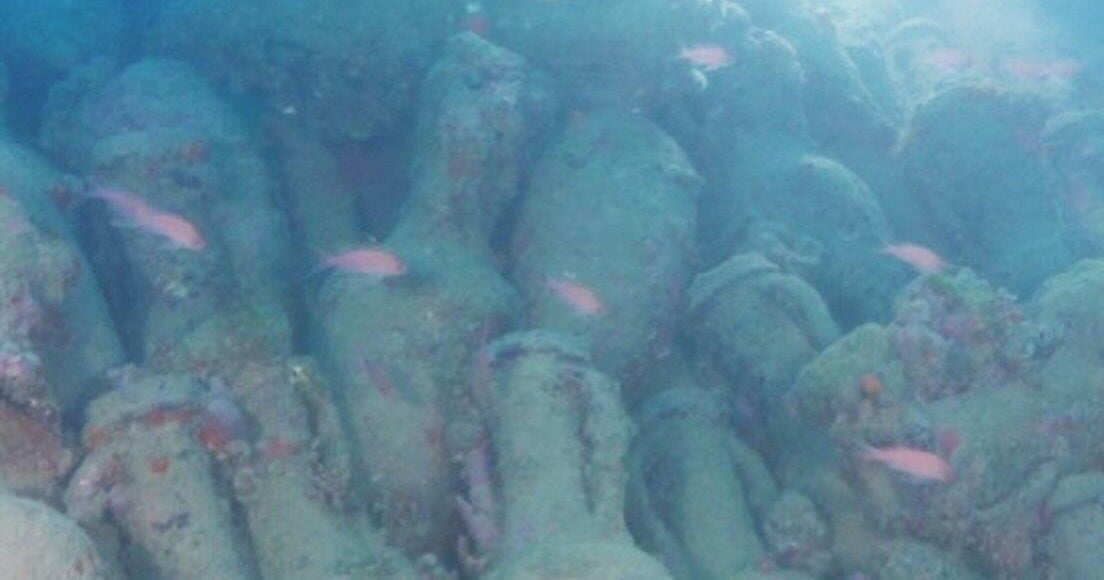
Divers off Mazara del Vallo, Sicily, found a 70-foot merchant vessel with its cargo of hundreds of amphorae still stacked where it sank. Italy's culture minister called it one of the most important underwater finds in years.
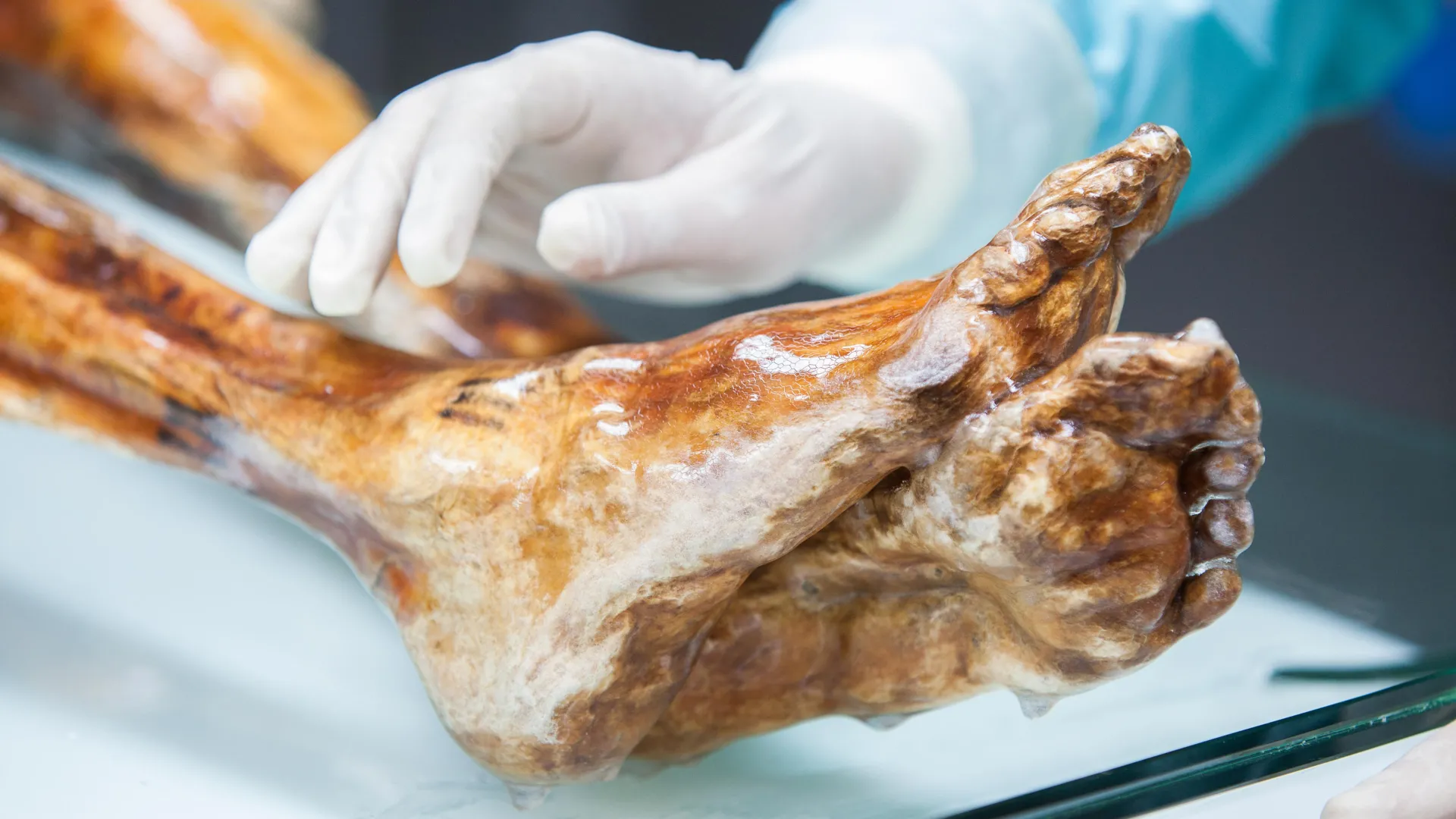
Researchers separated the microbes that lived in the mummy's body from those that arrived later and found cold-loving organisms related to Antarctic strains, some apparently feeding on the chemical used to clean him.
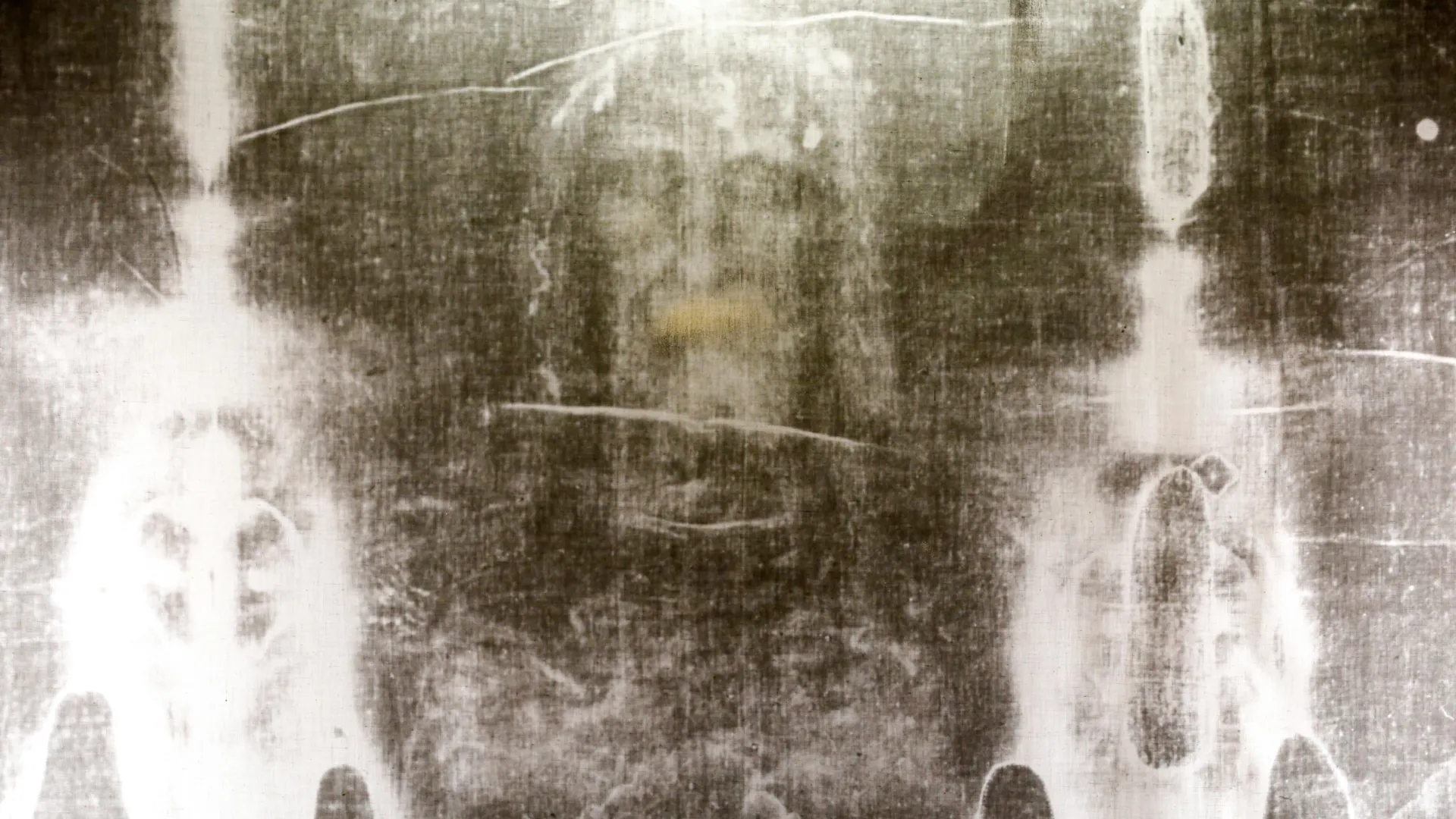
A team at the University of Lancashire sequenced everything living or formerly living on samples taken in 1978. The result is a 600-year archive of everyone who ever handled the cloth, and no verdict on the question people actually ask.
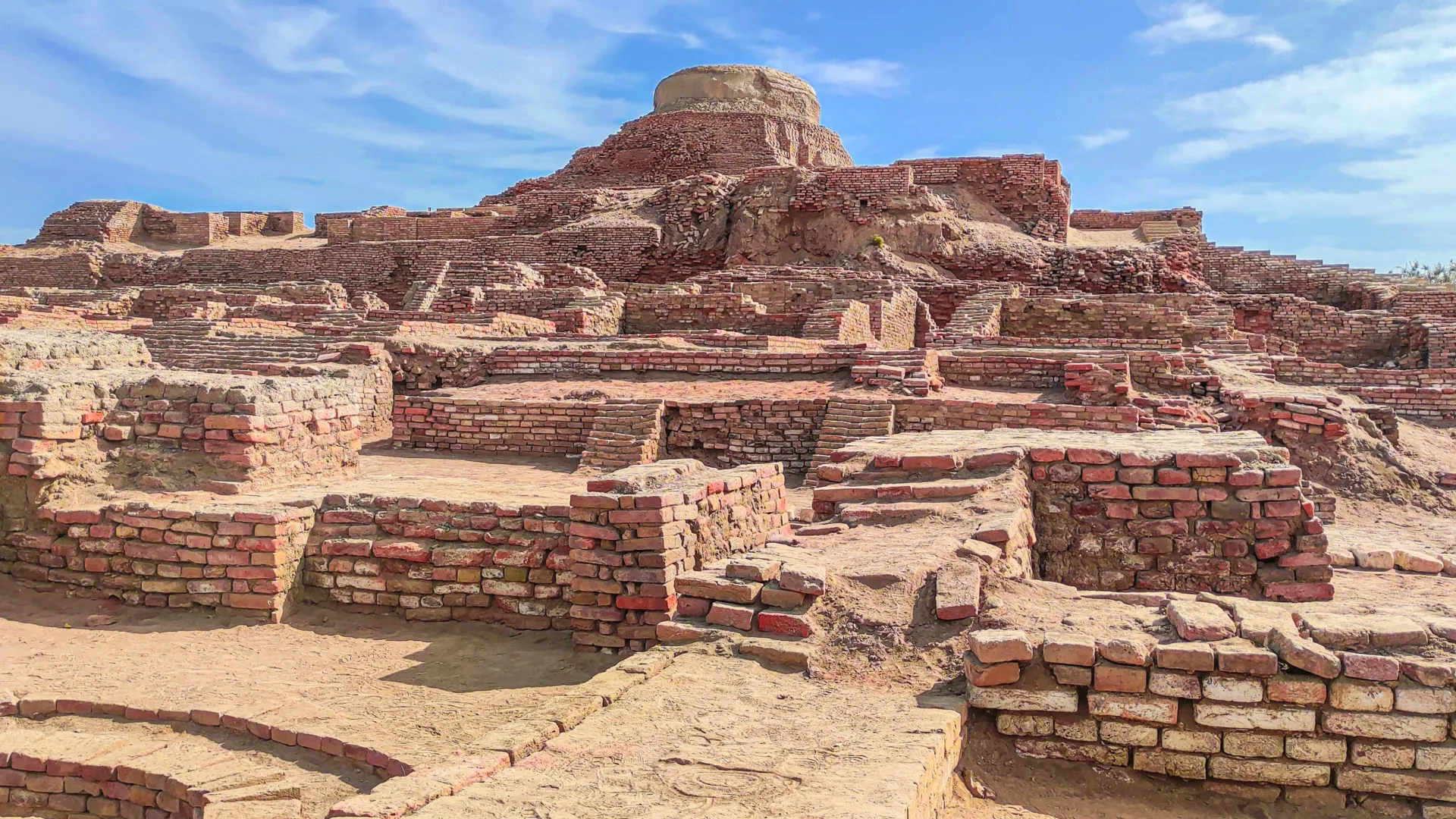
House sizes at Mohenjo-daro converged as the Indus Valley metropolis matured. The city spent its wealth on drains, street grids and standardized weights rather than palaces.
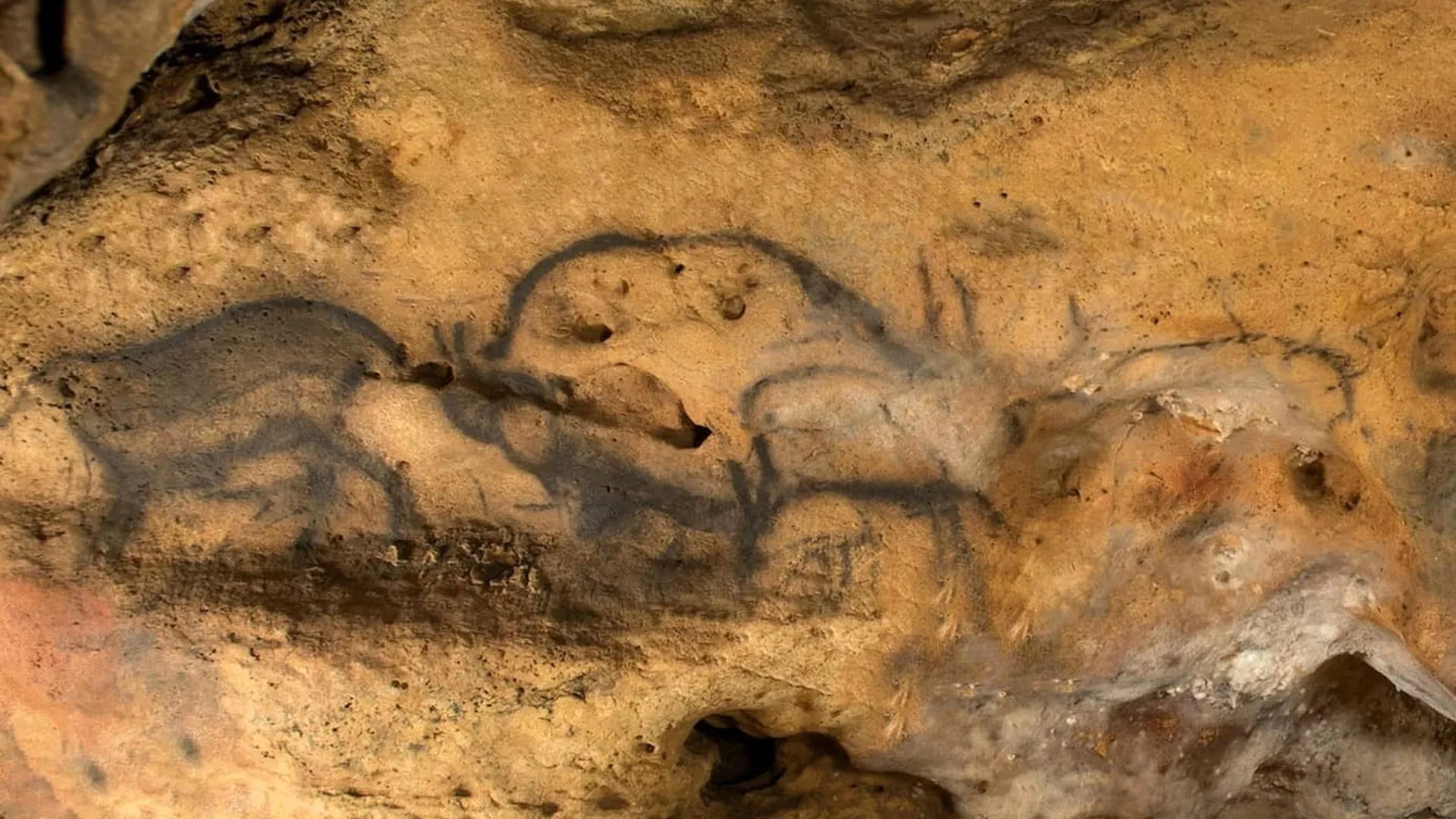
Scientists believed the black pigments were pure mineral oxides, making radiocarbon dating impossible. Two non-destructive techniques found charcoal running through the lines, and the samples came back with wildly different ages.

Nine golden headbands and two mouthpieces from elite tombs — one still resting on the brow of a small child — show how island goldsmiths fused the styles of Egypt, Greece and the Near East.
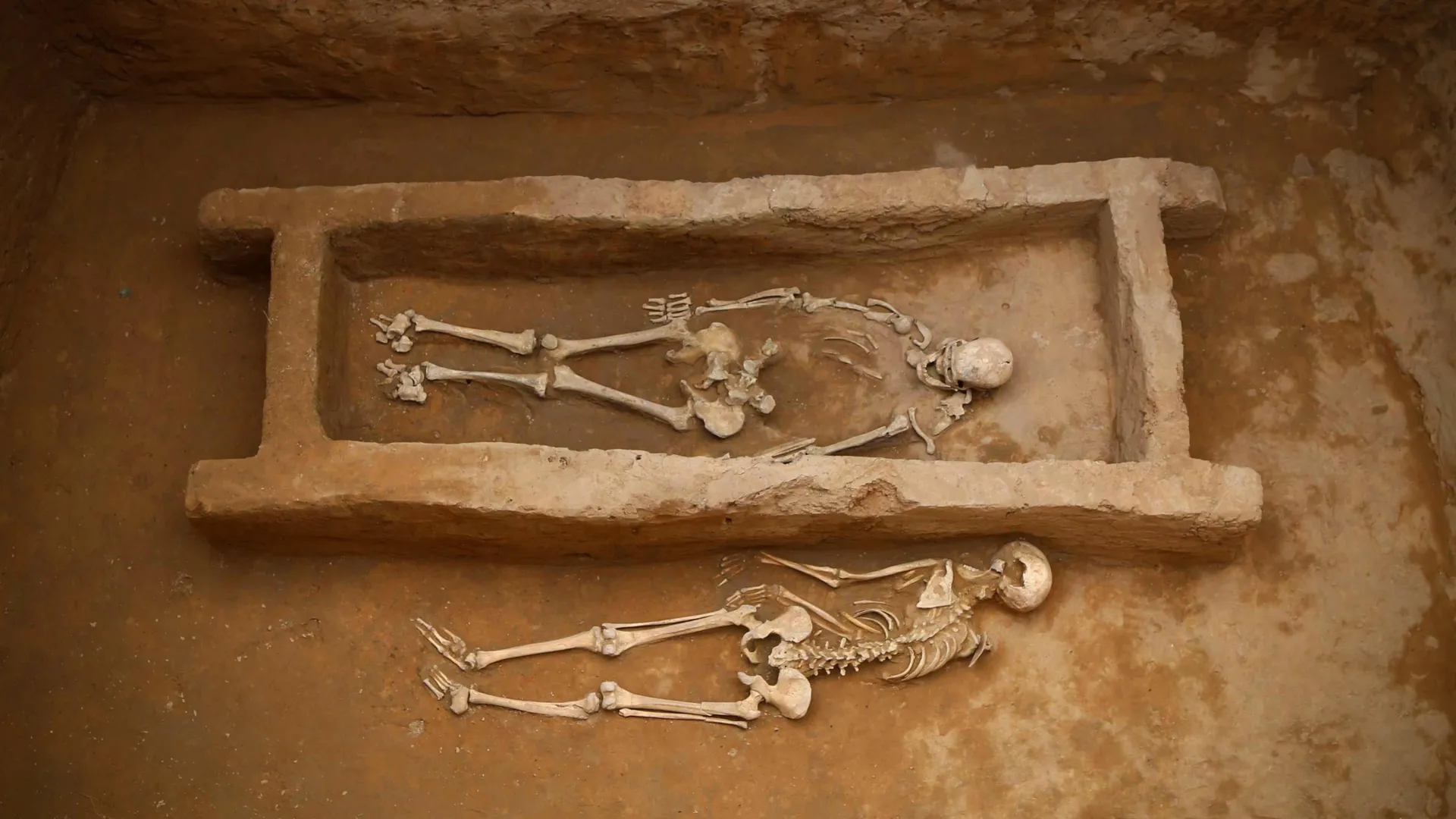
Genetic analysis of 144 people from one of prehistoric East Asia's largest settlements reveals a society organized around patrilineal clans — and mass burials of sacrificed men.

Red geometric panels — some stretching 20 meters — reveal the ceremonial world of hunter-gatherers who roamed Zacatecas between 600 and 1,200 years ago.

By reverse-engineering earrings from a prince's 1545 tomb, researchers in Wuhan cracked 'jin zhe si' — a method that folded ultra-thin, high-purity gold into intricate satin-textured shapes.
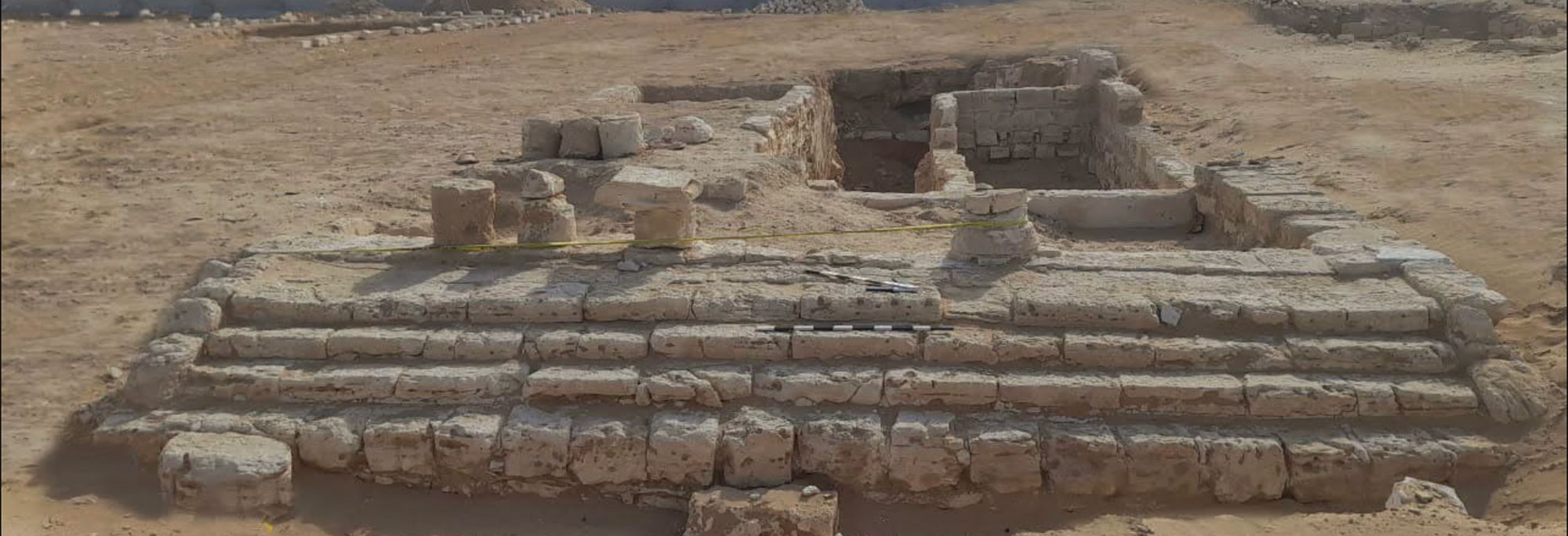
The Ptolemaic- and Roman-era graves at Marina el-Alamein had lain sealed for nearly two millennia, yielding a granite sarcophagus with its lid intact and two dozen golden 'tongues' placed in the mouths of the deceased.

A Leiden University team found the rock-cut burial of a New Kingdom dignitary named Paser in the Theban necropolis, complete with a courtyard, chapel and underground chambers.

At a cave in southern Türkiye, both human groups selectively gathered marine shells with no food value for more than 20,000 years — a sign, researchers say, of shared symbolic behavior.

A new analysis of bones from an Indonesian cave suggests Homo floresiensis neither hunted big game nor controlled fire, deepening the mystery of its origins.
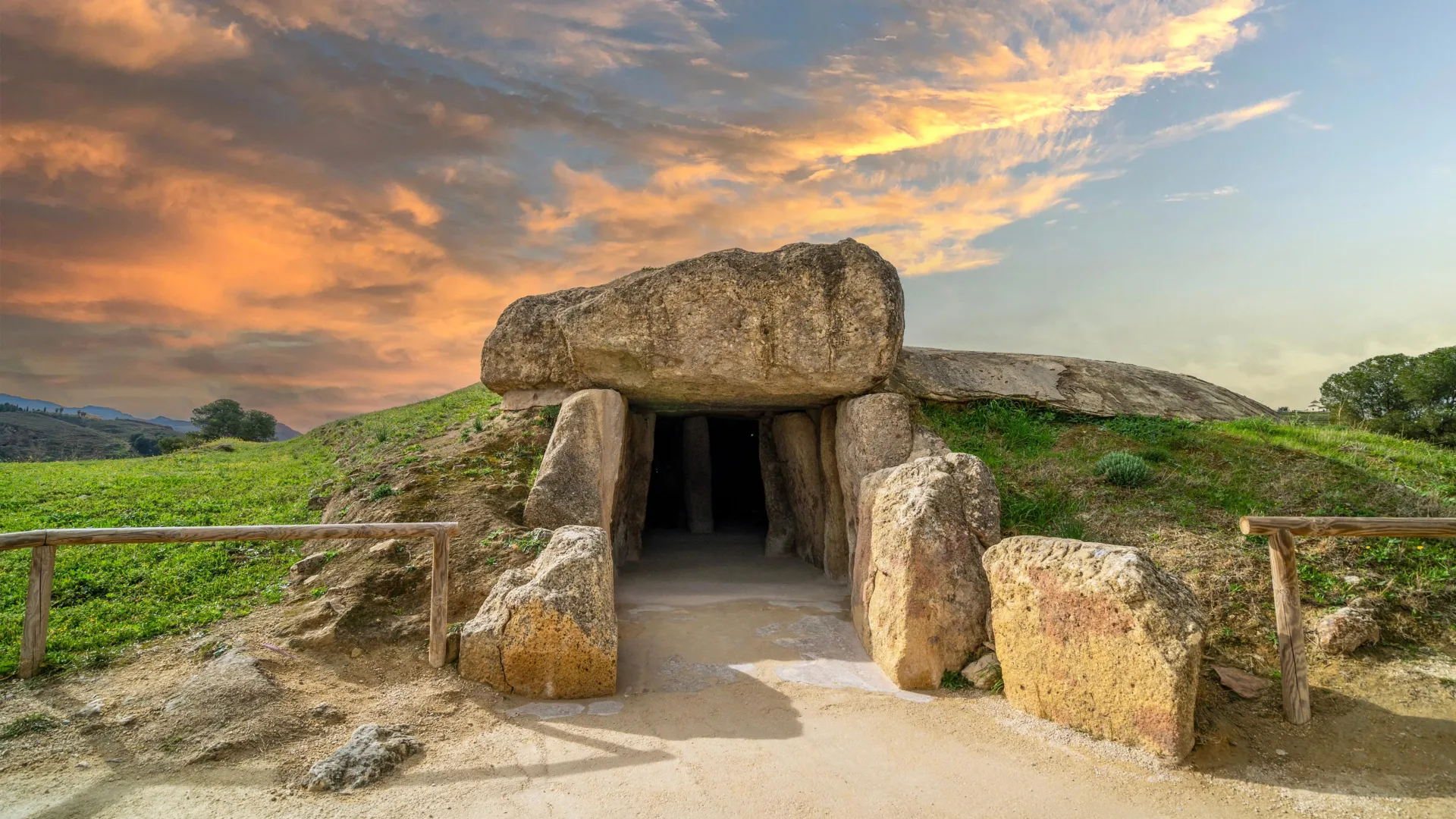
Genetic analysis of 132 skeletons in a megalithic tomb near Paris shows the community that built it collapsed — and centuries later, unrelated newcomers from the south were burying their dead in the same graves.

Deep inside South Africa's Wonderwerk Cave, researchers found scorched bone in deposits up to 1.79 million years old — among the oldest evidence of hominin fire use ever documented.

Scientists have uncovered new evidence that the six-ton Altar Stone was deliberately transported from Scotland by ancient people, requiring extraordinary planning and teamwork.
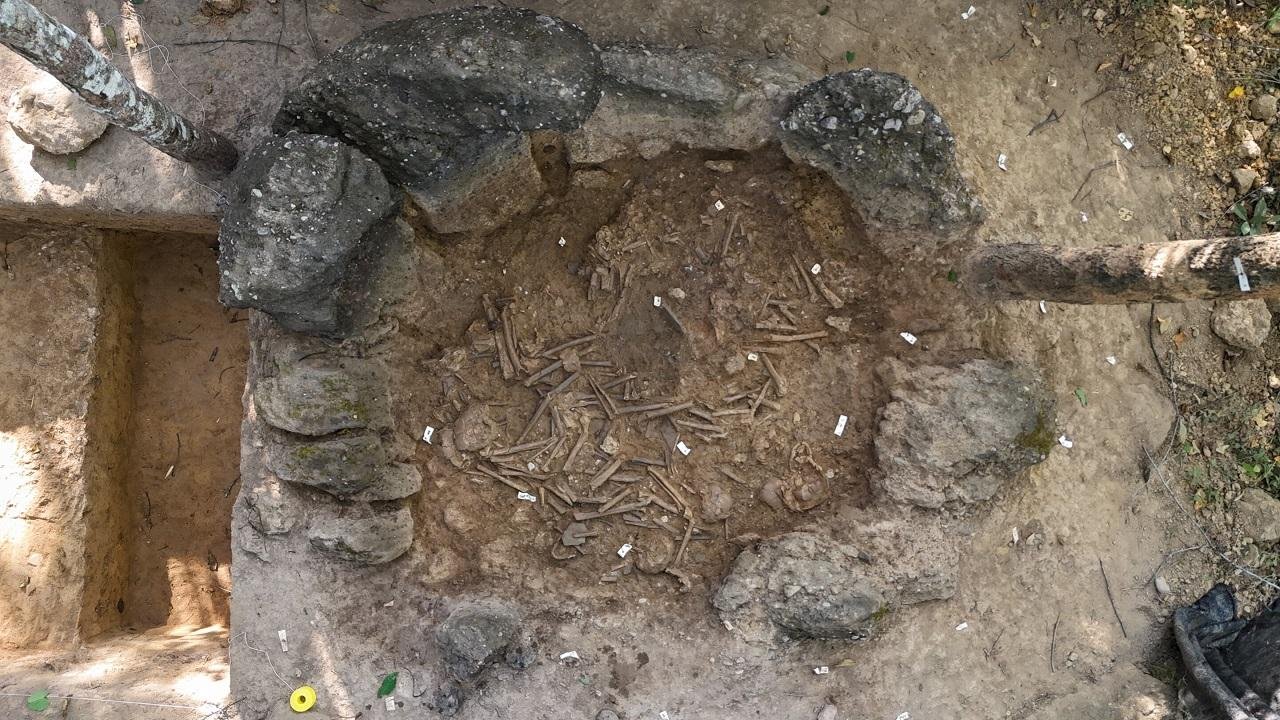
For the first time, archaeologists found undisturbed human remains sealed inside one of the giant stone vessels of the Plain of Jars, confirming the enigmatic megaliths were used for burial.

New burial-dating of three crania from the Yunxian site puts them at 1.77 million years old — the oldest securely dated human-relative fossils ever found in eastern Asia.
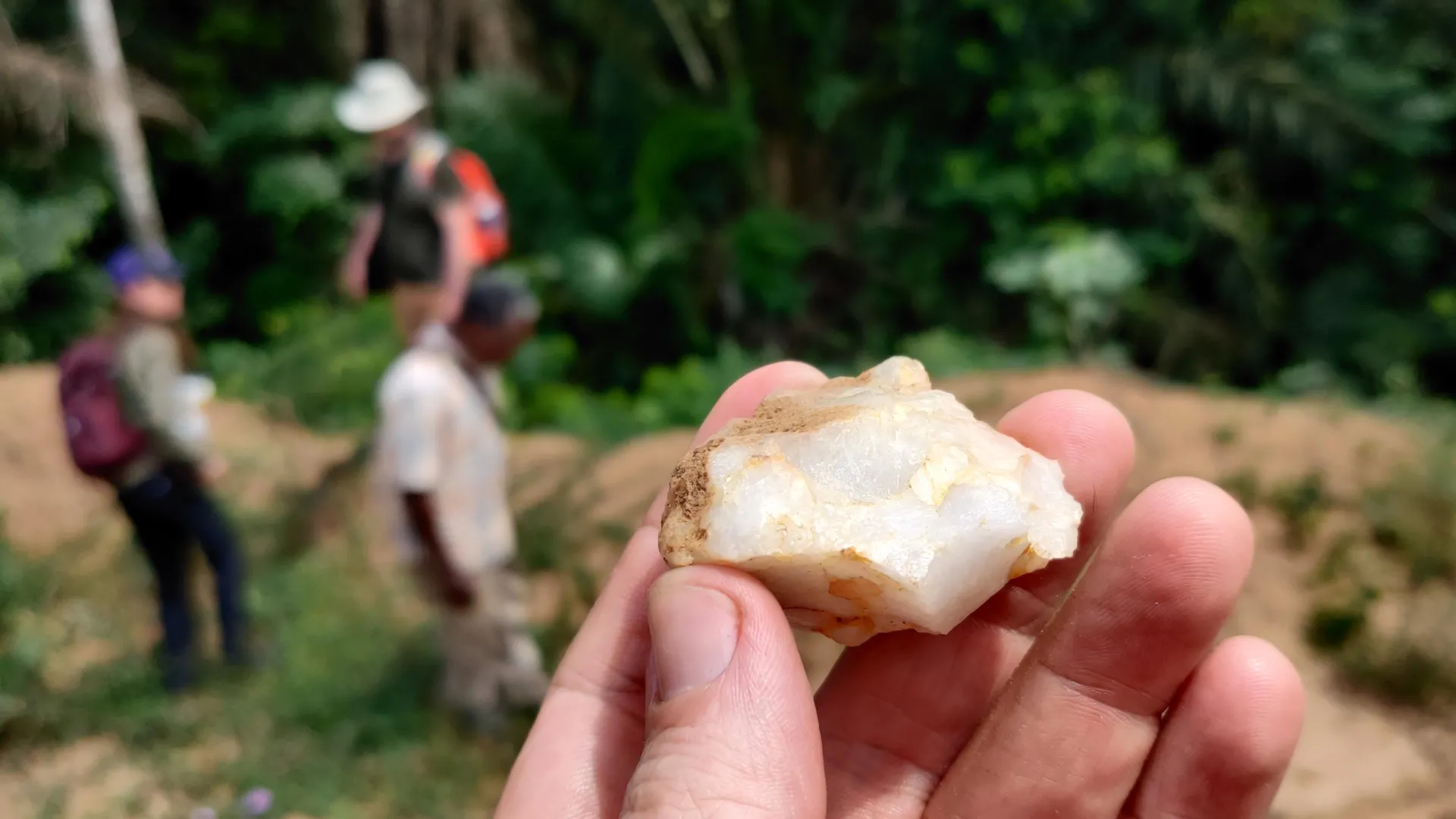
Stone tools and ancient plant traces from a now-destroyed site in Côte d'Ivoire push back the oldest known rainforest habitation by more than double — and undercut the idea that our species was born only on the savanna.
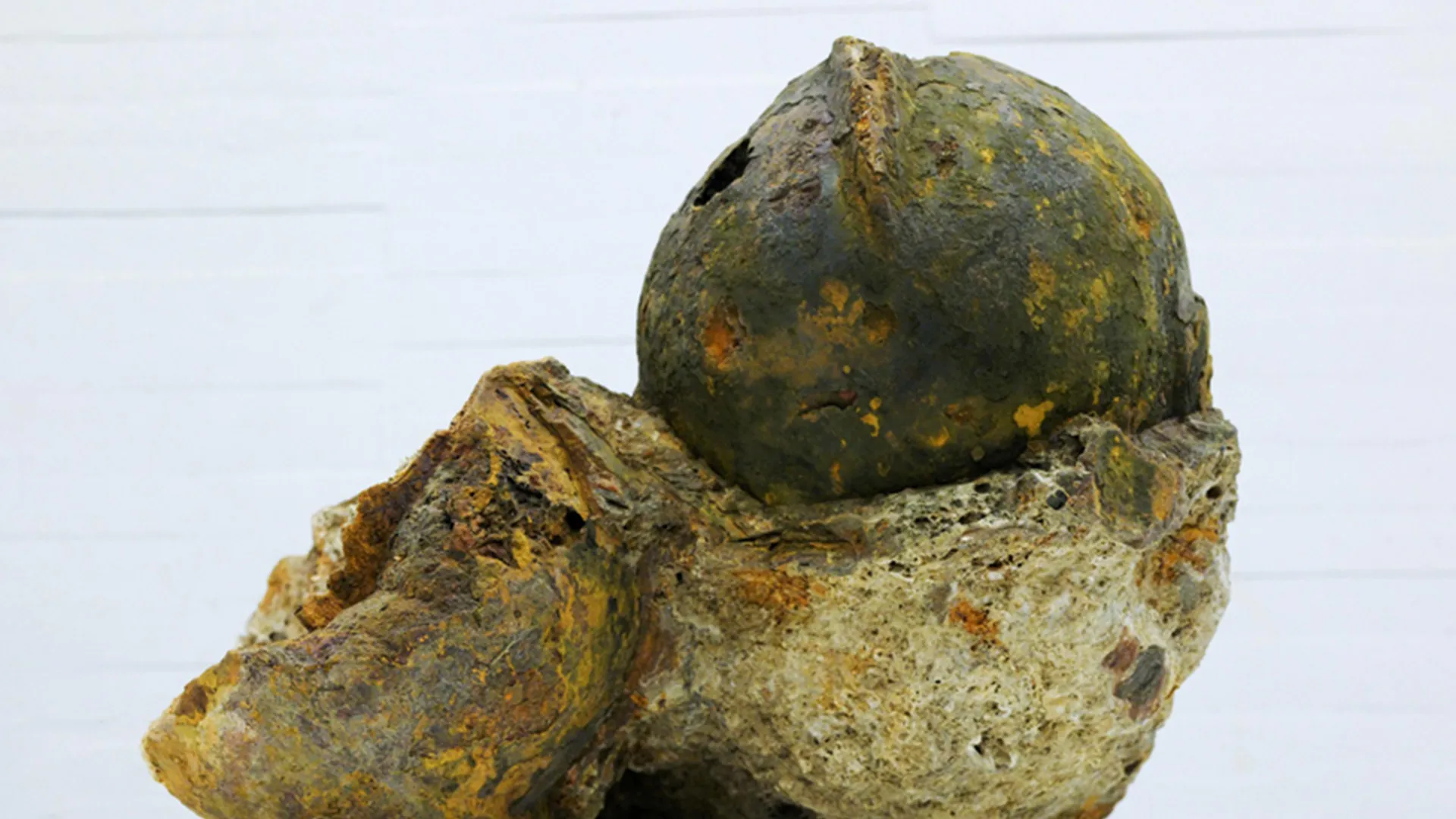
Snagged in fishermen's nets in 1990 near Benicarló, the corroded iron hoard was long filed away as ancient Roman. New radiocarbon dating places it in the late 1300s and early 1400s.
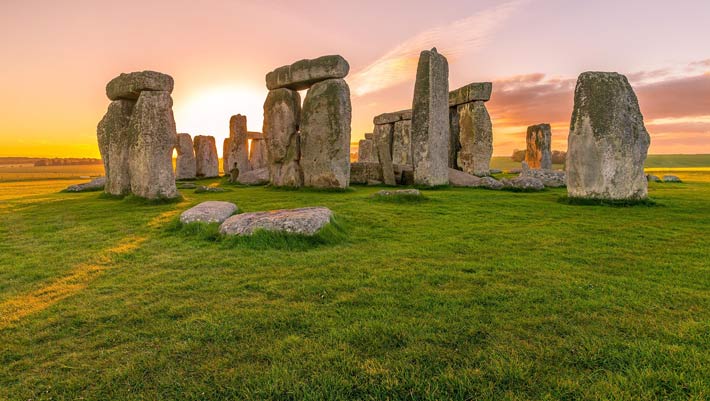
A new analysis of zircon crystals rules out ice-age transport, pointing to a deliberate, staged journey across ancient Britain some 5,000 years ago.

A copper mirror, kohl jars still holding their cosmetic residue and gold-set scarabs were found in the Panhesy tomb at Heliopolis — the first such complete assemblage recovered in the area.
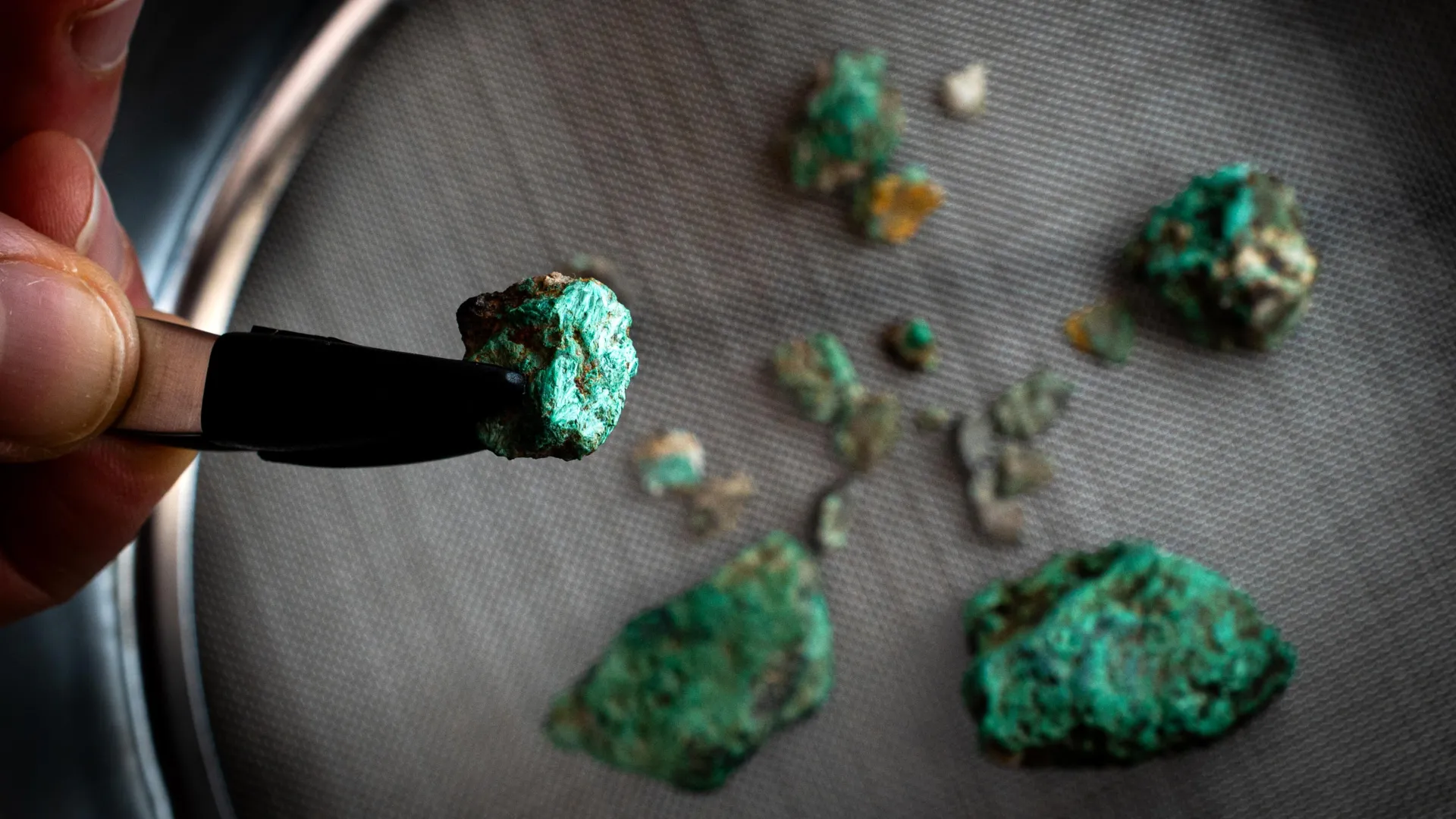
Ancient Pyrenees cave may represent one of earliest high-altitude mining camps ever discovered, with evidence of repeated visits spanning thousands of years.
Child's remains and green mineral fragments suggest prehistoric communities repeatedly visited remote cave for copper processing. Discovery challenges beliefs about early human use of mountain environments.
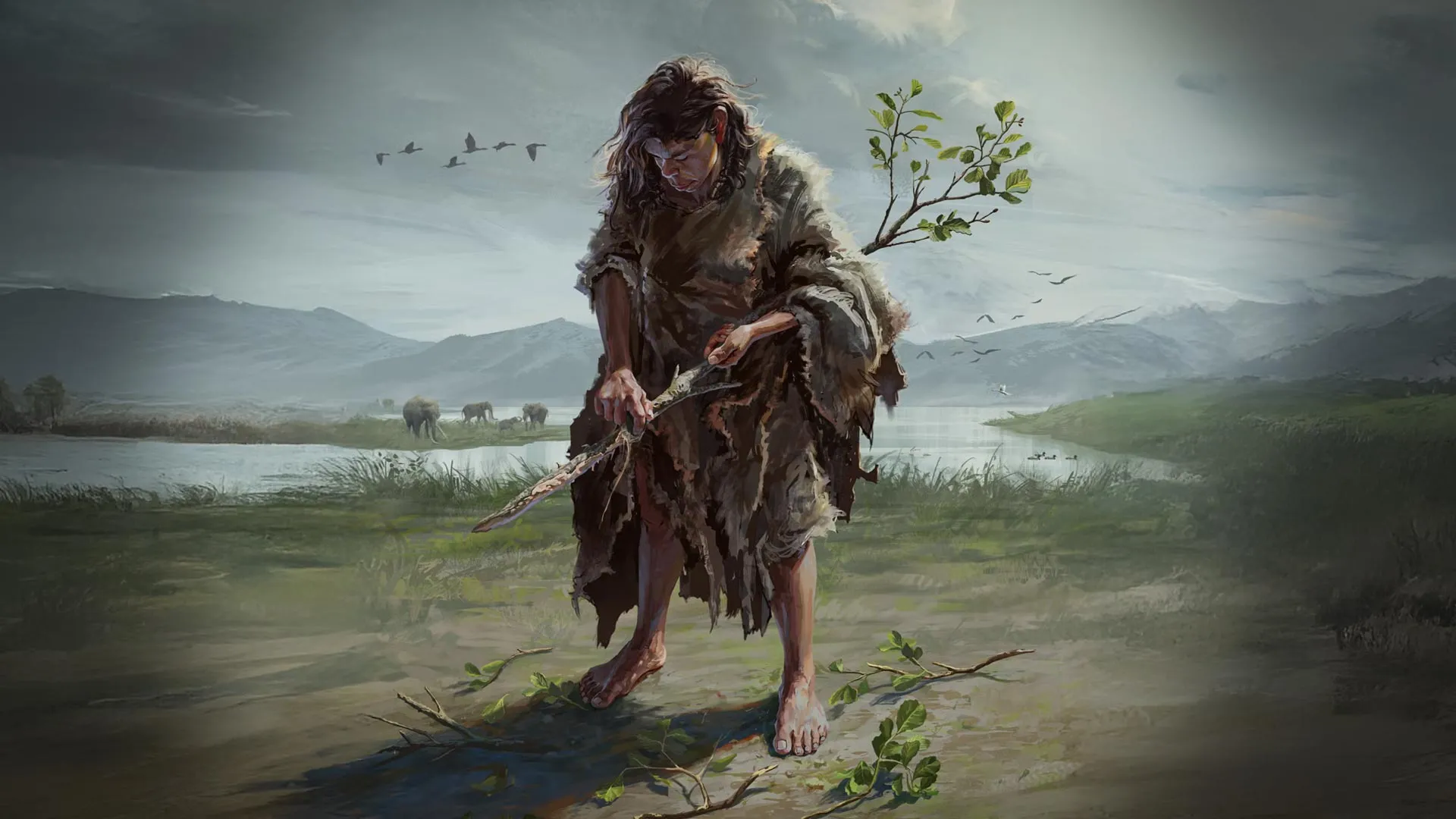
Carefully carved artifacts from an ancient Greek lakeside reveal that early humans possessed far more sophisticated woodworking skills than previously believed.
Ancient artifacts from Greece reveal early humans were far more skilled and resourceful than previously believed.
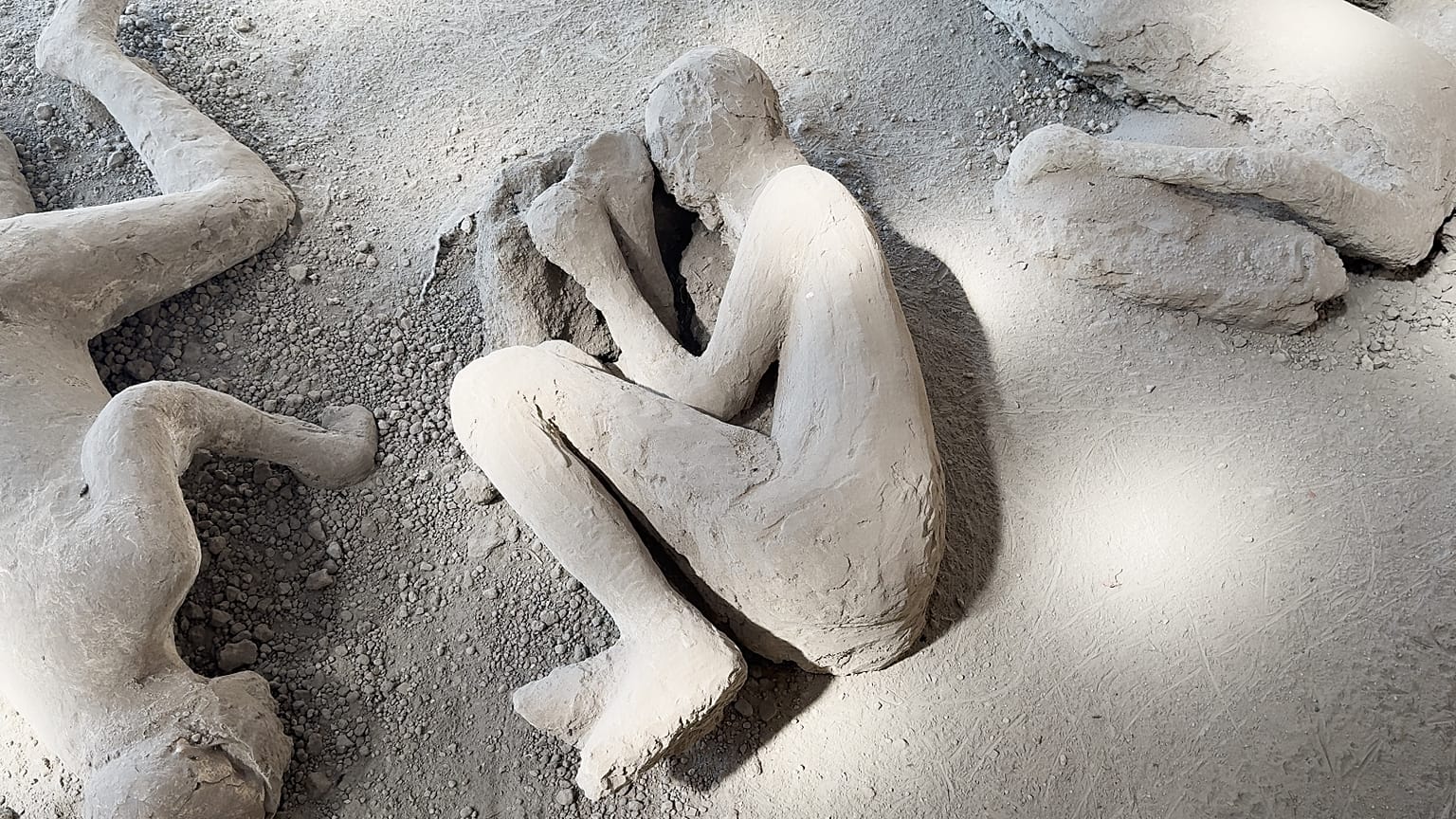
Director Gabriel Zuchtriegel announced the discovery from the Archaeological Park of Pompeii on May 15, with CT scans and AI-driven 3D reconstructions revealing surgical tools, a slate compounding plate, a fabric purse of bronze and silver coins and a toothed-wheel locking mechanism preserved alongside the victim's body.
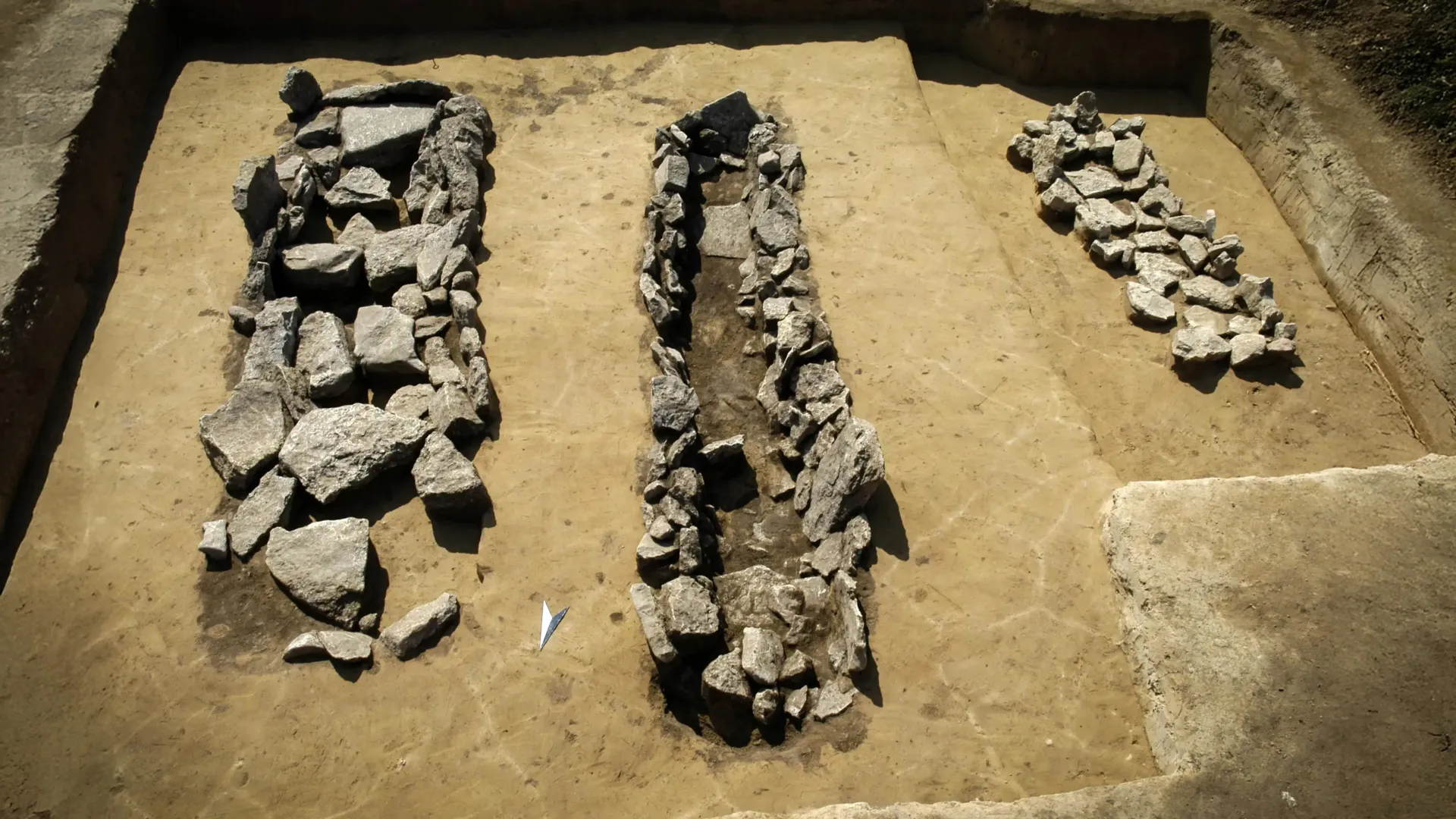
Scientists study rare non-cremated graves to uncover how Late Bronze Age people lived, moved, and adapted to cultural changes.

It is the first time a Greek literary text has been found deliberately incorporated into the embalming process — a 1,600-year-old puzzle for archaeologists.
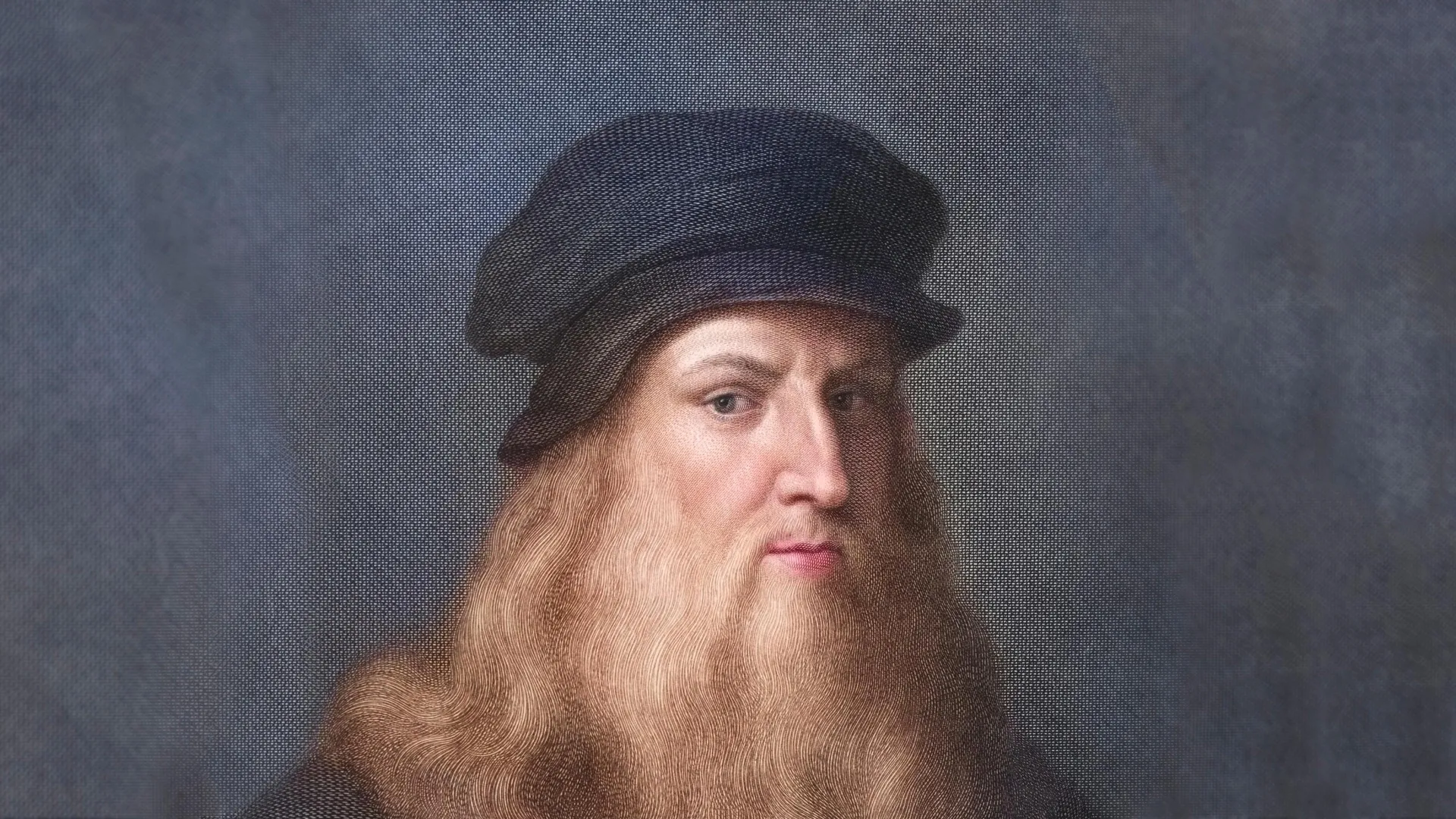
30-year project traces Renaissance genius through 21 generations, identifies living descendants, and excavates ancient family tomb for DNA analysis.
Massive genealogical effort traces family across 21 generations while excavations at ancient tomb could provide Renaissance master's genetic profile.
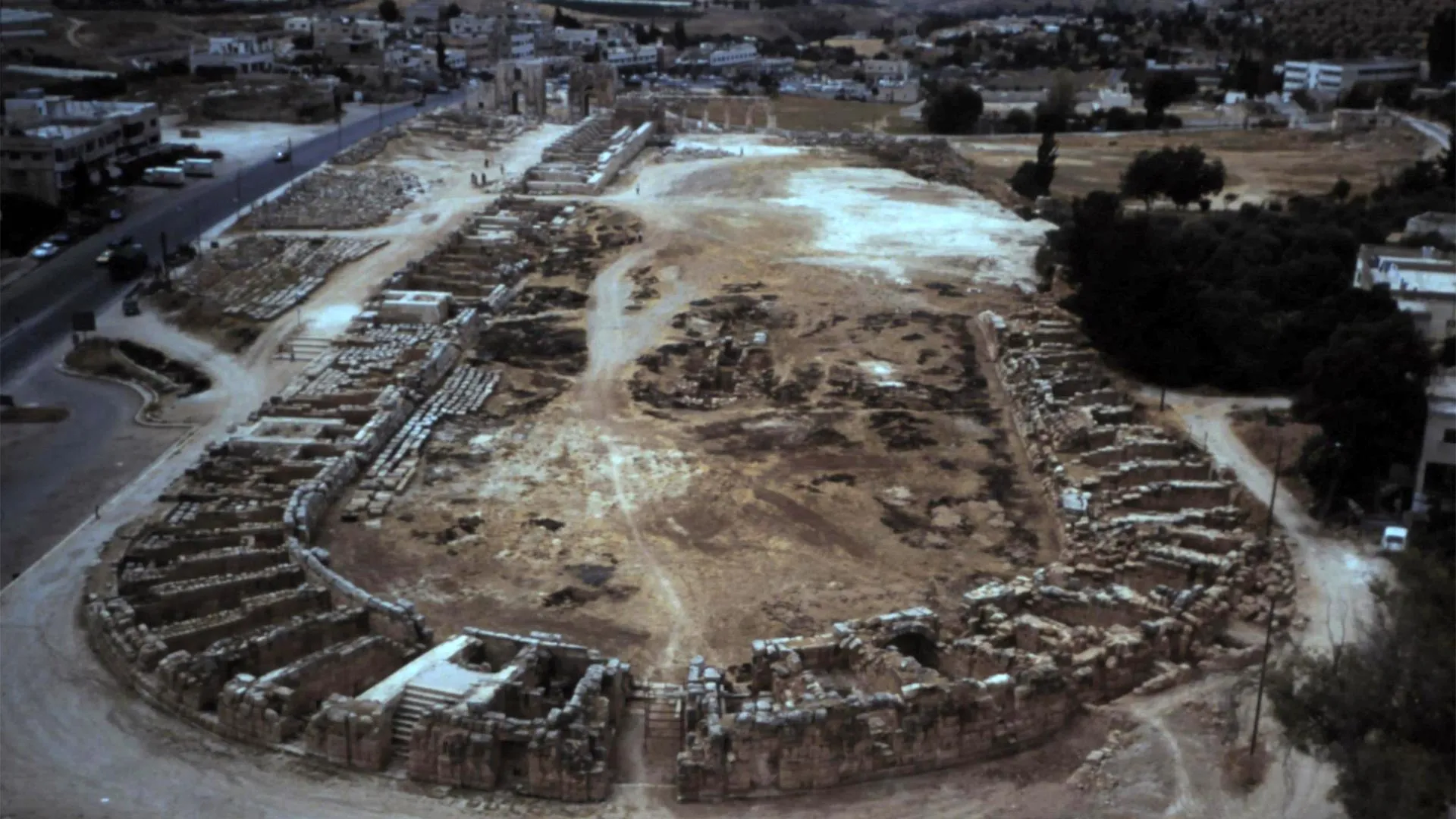
Researchers confirm first plague mass burial site at Jerash, Jordan, offering unprecedented insight into how the Plague of Justinian reshaped ancient societies.
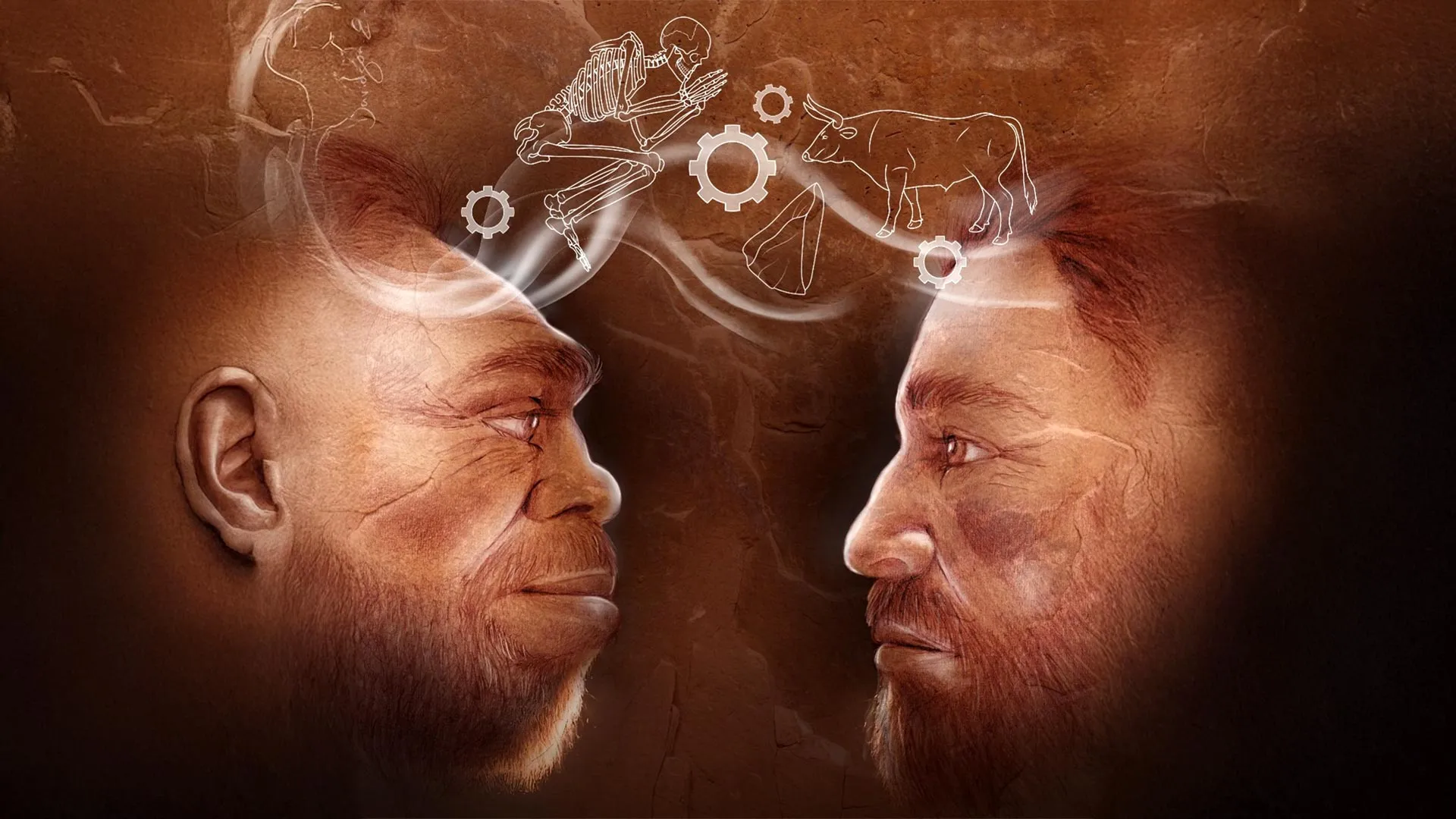
First research from Tinshemet Cave shows early human groups shared technology, burial practices, and cultural innovations in unprecedented detail.

First-ever research from Israel's Tinshemet Cave reveals active cooperation between species, challenging long-held views about early human relationships.
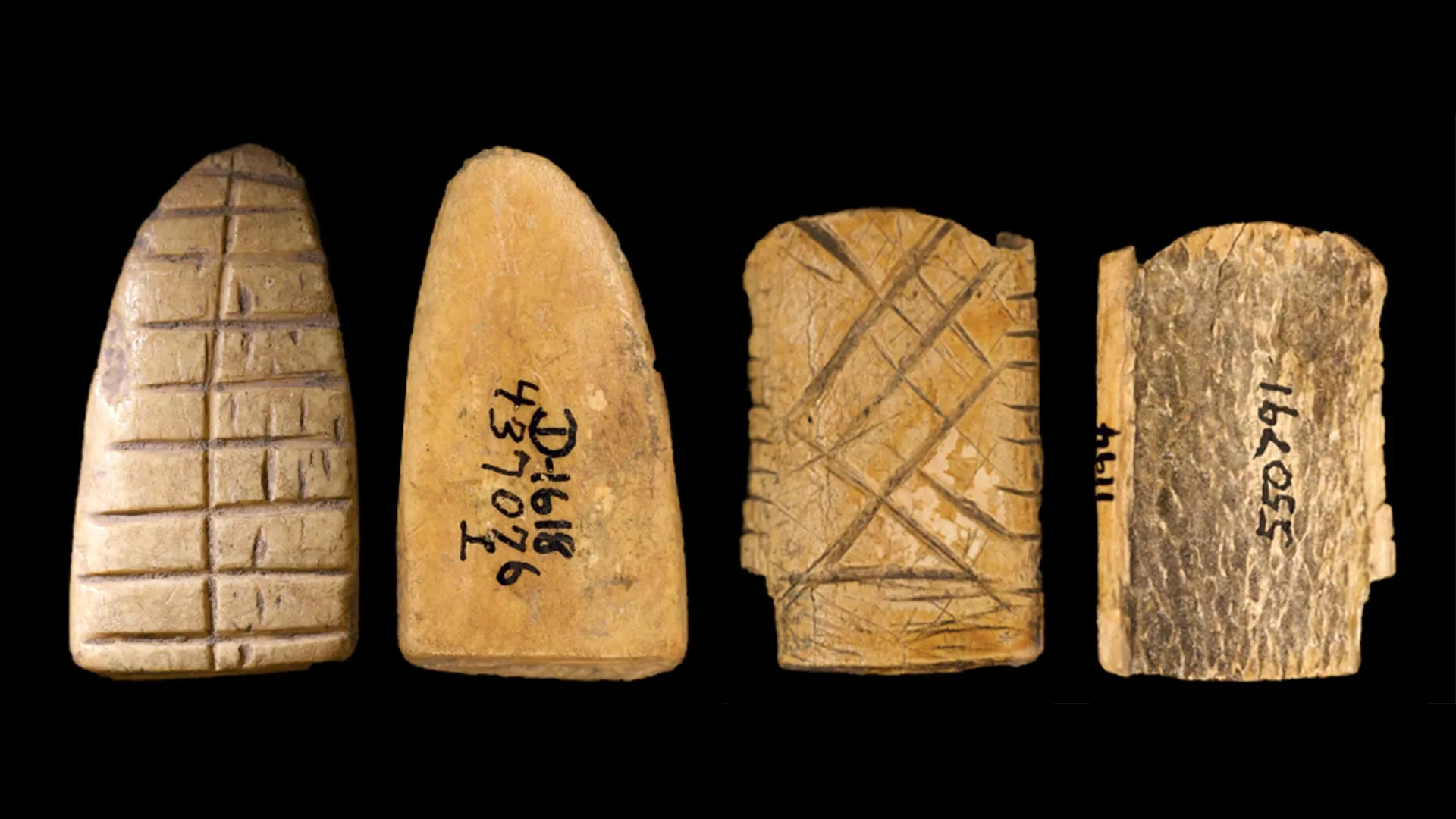
Binary bone dice from hunter-gatherer sites predate Old World gambling tools by thousands of years, challenging historical assumptions.
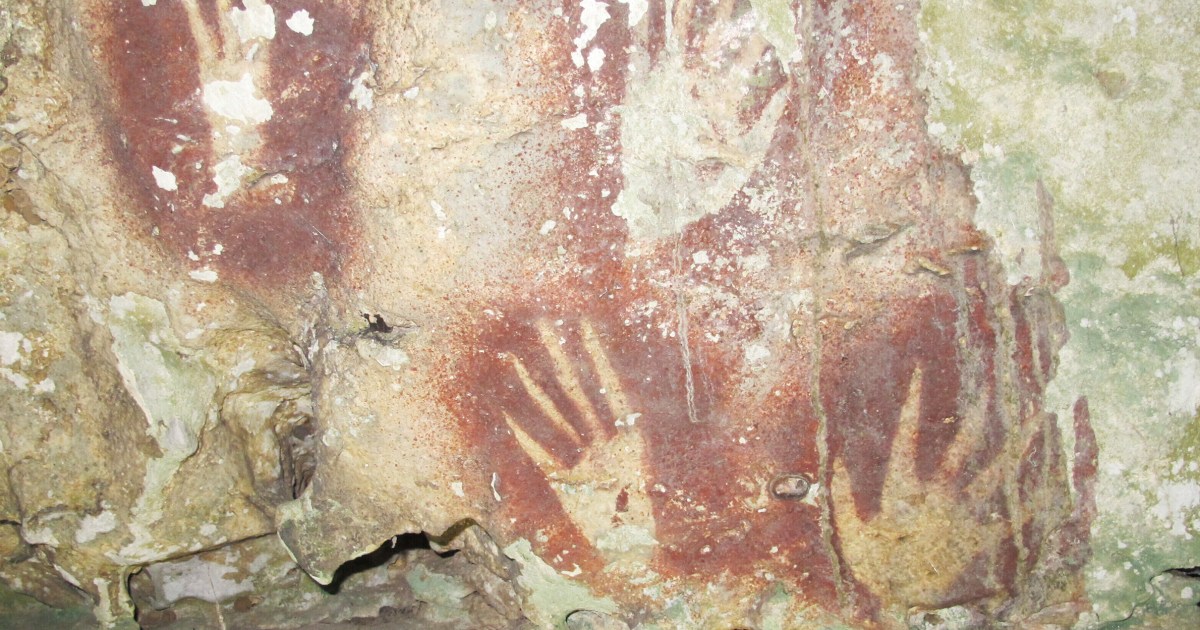
An international team used laser-ablation uranium-series dating to confirm that a faded, claw-fingered handprint on Muna island far predates any European cave art, reshaping what scientists thought they knew about the origins of human symbolic thinking.