Ancient DNA Unlocks the Secrets of Shimao, a 4,000-Year-Old Chinese City Built on Clans and Sacrifice
Genetic analysis of 144 people from one of prehistoric East Asia's largest settlements reveals a society organized around patrilineal clans — and mass burials of sacrificed men.
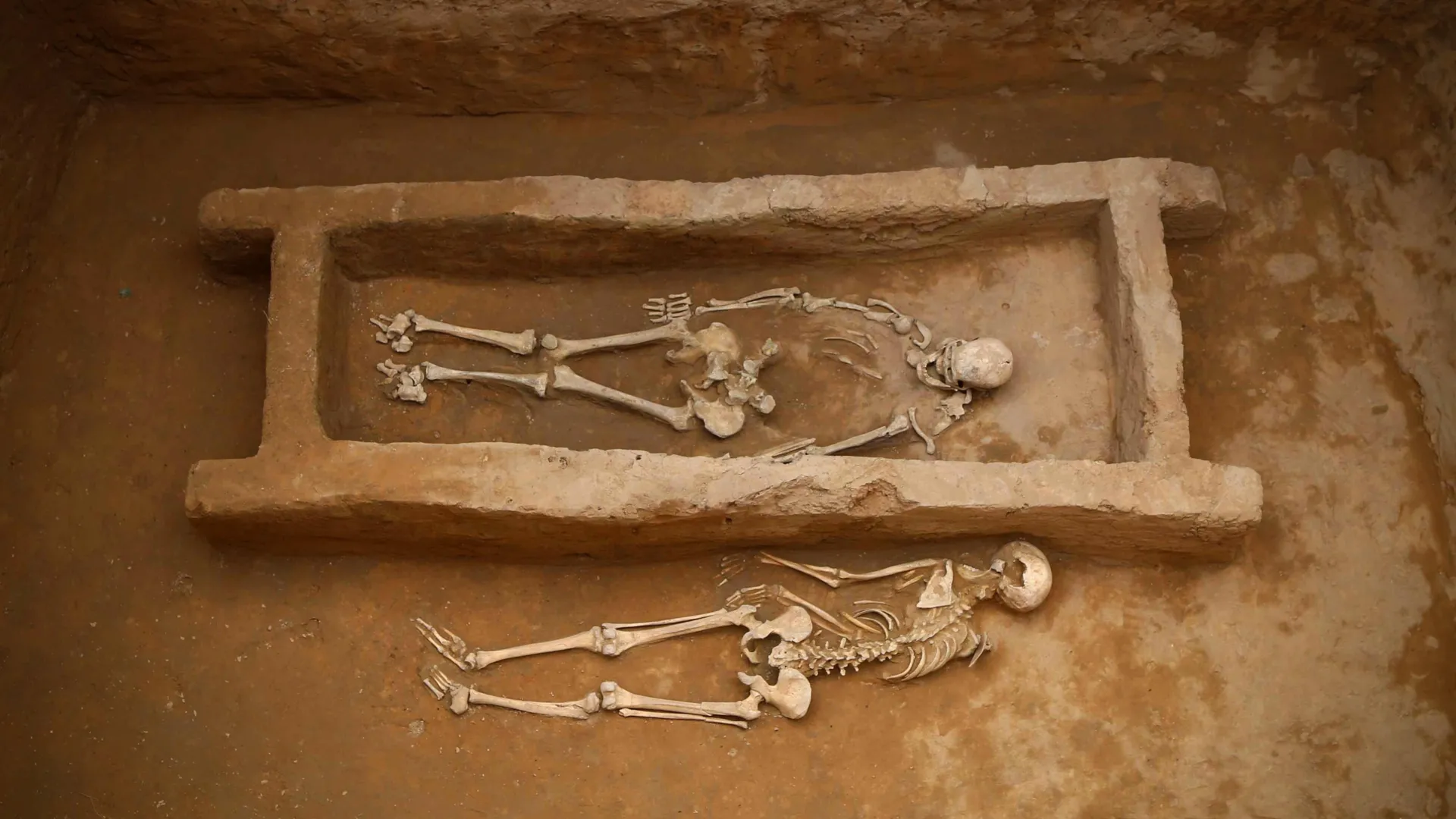
Ancient DNA drawn from the bones of 144 people is rewriting the story of Shimao, a sprawling 4,000-year-old city on the loess plateau of northern China and one of the largest and most enigmatic settlements of prehistoric East Asia. The findings, published in the journal Nature, reveal a complex society anchored in the authority of patrilineal clans and marked by mass burials linked to human sacrifice.
A team led by Fu Qiaomei of the Institute of Vertebrate Paleontology and Paleoanthropology under the Chinese Academy of Sciences extracted and analyzed genetic material from remains excavated across Shimao's monumental core and its surrounding satellite communities. The result is the most detailed genetic portrait yet of a civilization that flourished around 2000 B.C. behind massive stone walls, then vanished, leaving behind jade artifacts, elaborate fortifications and unsettling evidence of ritual killing.
The DNA shows that Shimao's people were largely descended from local farming communities of the Yellow River region, the cradle of early Chinese agriculture. But their genomes also carried threads from populations much farther afield — groups to the south and steppe peoples to the north and west — pointing to a web of prehistoric contact and migration that reached across enormous distances long before the rise of China's first dynasties.
Perhaps the most striking finding concerns social structure. The genetic data reveal a society organized around patrilineal clans, in which lineage and authority passed through the male line. Related men clustered together in the city's most prominent burials, suggesting that kinship was the scaffolding on which Shimao's power and hierarchy were built. It is a rare glimpse into how one of East Asia's earliest complex societies knit itself together.
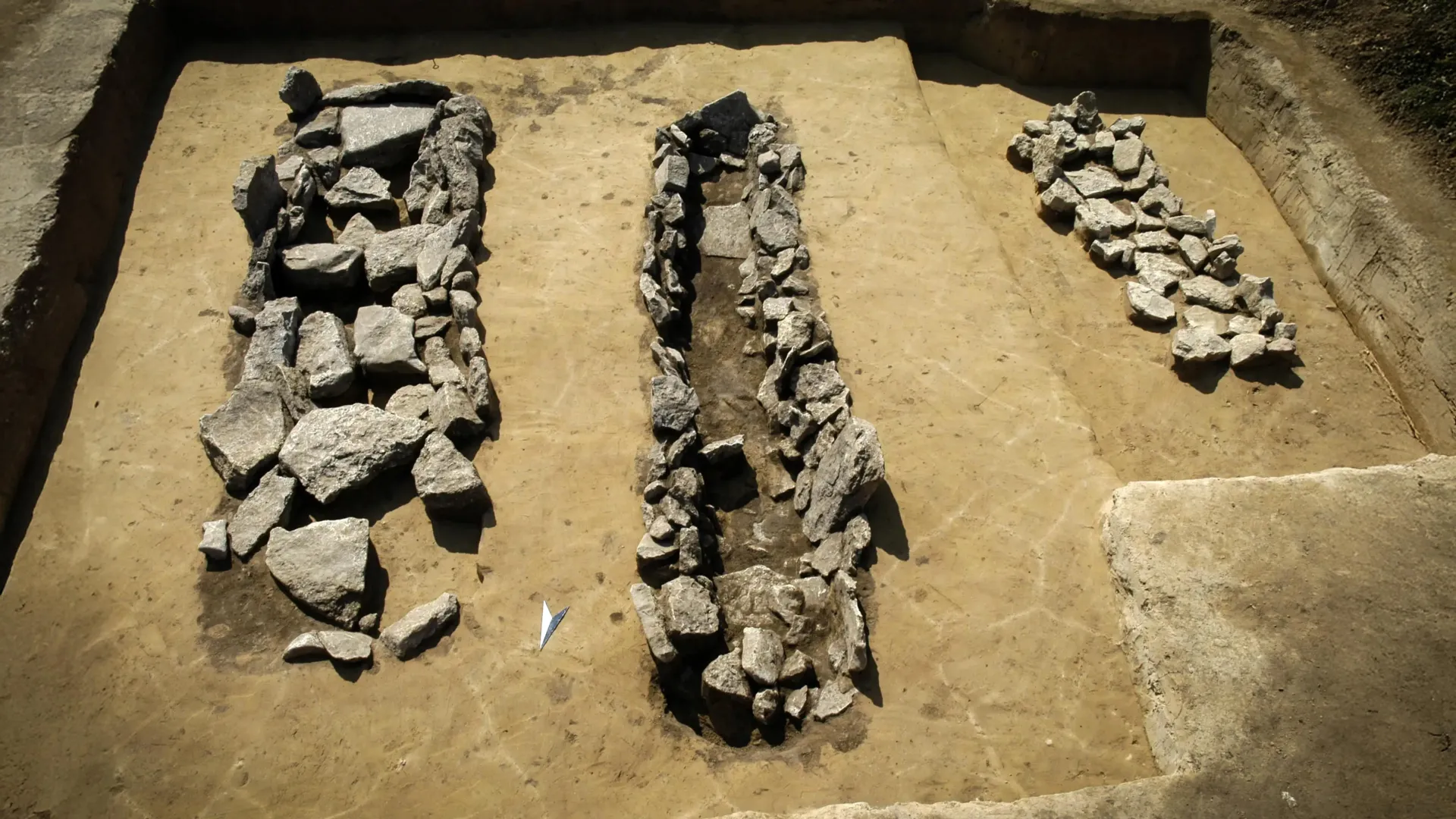
The study also sheds light on one of Shimao's darkest features. Archaeologists had long known of pits at the site containing severed heads and other remains, widely interpreted as evidence of human sacrifice tied to construction rituals and warfare. The new analysis found that these mass burials largely contained men, and that many were genetically distinct from the local population — hinting that the victims may have been outsiders or captives rather than members of the ruling clans.
Taken together, the results transform Shimao from a mysterious ruin into a legible community with origins, family ties and social rules that can now be traced through the code preserved in ancient bone. The work underscores how ancient DNA has become a powerful lens on the deep human past, capable of revealing not just who lived at a place, but how they were related, where their ancestors came from and the violent rituals that bound their world together.