Stonehenge's Most Mysterious Stone Traveled 700 Kilometers Across Britain
Scientists have uncovered new evidence that the six-ton Altar Stone was deliberately transported from Scotland by ancient people, requiring extraordinary planning and teamwork.
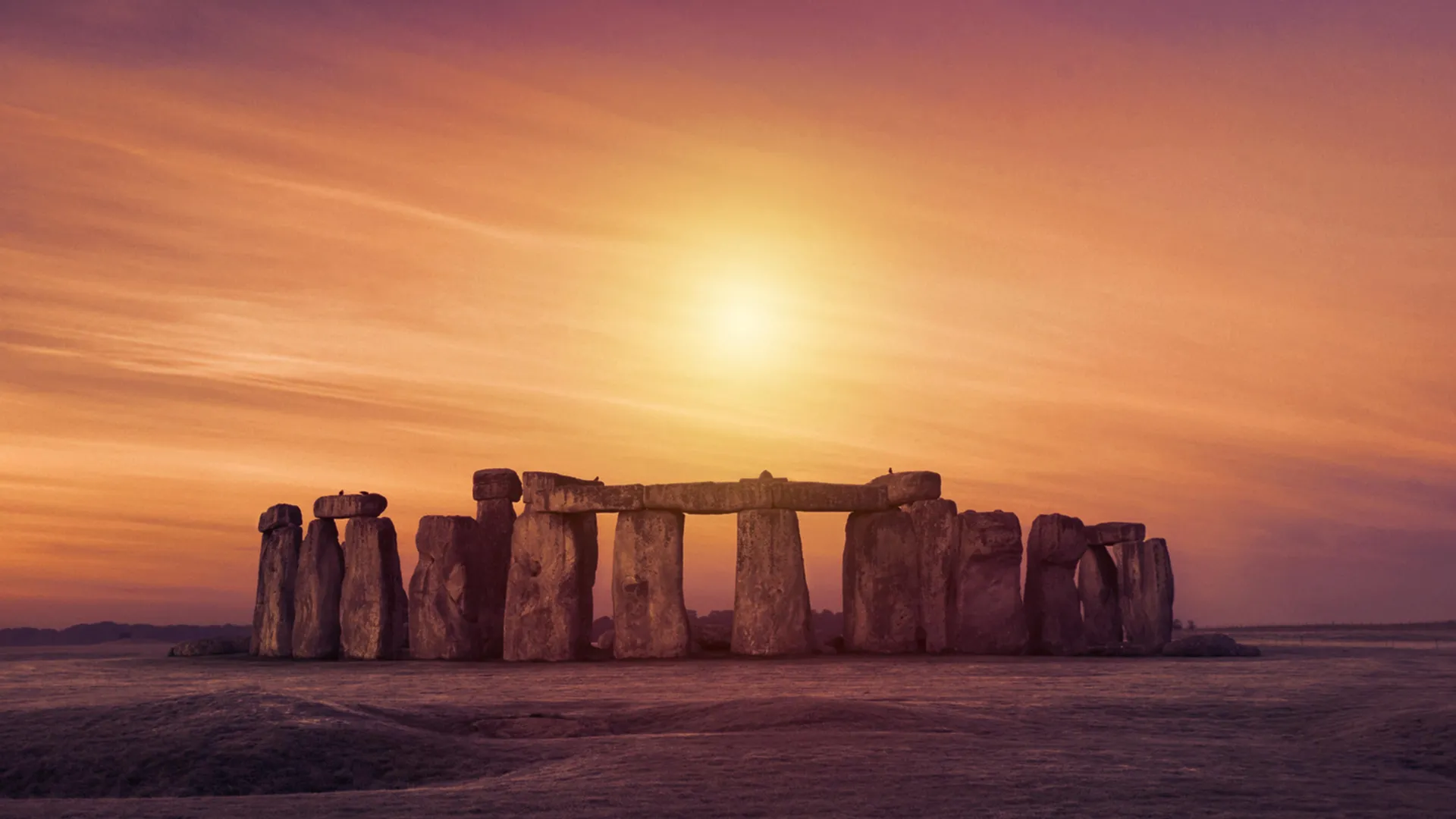
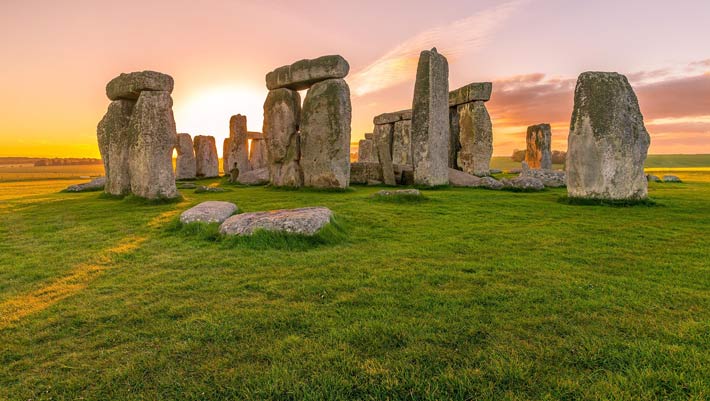
Scientists at Curtin University have strengthened evidence that Stonehenge's massive Altar Stone was intentionally transported approximately 700 kilometers from northeast Scotland to Salisbury Plain by ancient peoples, representing one of the most remarkable examples of long-distance transport in prehistoric Europe. The six-ton sandstone megalith, located at the center of the famous monument, required extraordinary planning, teamwork, and determination to move across the challenging and varied British landscape thousands of years ago. The latest research, which combined mineral grain dating techniques with computer models of ancient ice sheets, provides compelling evidence that human effort, not natural forces, was responsible for this incredible feat.
The study builds on earlier research that had already ruled out glaciers as the primary means of transporting the stone across Britain. To further investigate the stone's journey, scientists used sophisticated computer modeling to simulate ancient ice sheet movements during the last Ice Age and determine whether glacial transport could account for the stone's presence at Stonehenge. According to their results, while glaciers may have moved rocks from Scotland part of the way—possibly reaching as far as Dogger Bank in what is now the North Sea—there was no realistic glacial route that could have delivered the Altar Stone directly to southern England.
Dr. Anthony Clarke, co-lead author from Curtin's Timescales of Minerals Systems Group, explained that rather than being carried naturally by ice, the evidence points to a deliberate, carefully planned movement across challenging terrain. The research indicates there were no viable glacial pathways linking the source region directly to Stonehenge, reinforcing the conclusion that human transport was required for a significant portion of the journey. The stone would still have needed to be moved hundreds of kilometers by people, even if glaciers had assisted with the initial stages of transport.
Moving a six-ton stone over such a vast distance would have represented an enormous undertaking for Neolithic communities, likely requiring multiple stages and careful coordination among groups living across different regions. Dr. Clarke noted that the findings highlight a level of planning and cooperation that may have been greater than previously recognized, suggesting the stone was likely moved in stages and potentially combining overland hauling with river or coastal transport where possible. This level of organization implies sophisticated social networks and shared cultural practices among ancient British communities.
The discovery provides new insights into the remarkable capabilities and determination of the people who built Stonehenge, demonstrating that they were willing to invest tremendous effort to incorporate specific materials from distant locations. The transport of the Altar Stone represents not just a logistical achievement but also suggests that certain stones held special significance that justified the extraordinary effort required to bring them to the monument. This finding adds to our understanding of Stonehenge as a site of profound cultural and possibly spiritual importance that drew materials and possibly pilgrims from across ancient Britain.