Scientists Uncover How Women Helped Transform Prehistoric Europe Through Ancient DNA
New genetic evidence reveals complex interactions between hunter-gatherers and farmers, with women likely playing crucial roles in spreading agriculture across northwestern Europe thousands of years ago.
Groundbreaking ancient DNA research has revealed that the story of how farming spread across prehistoric Europe was far more complex than previously understood, with women likely playing pivotal roles in the cultural and genetic transformation of northwestern European societies. The new findings challenge earlier simplified narratives about three major migrations and instead reveal intricate interactions between different populations over thousands of years.
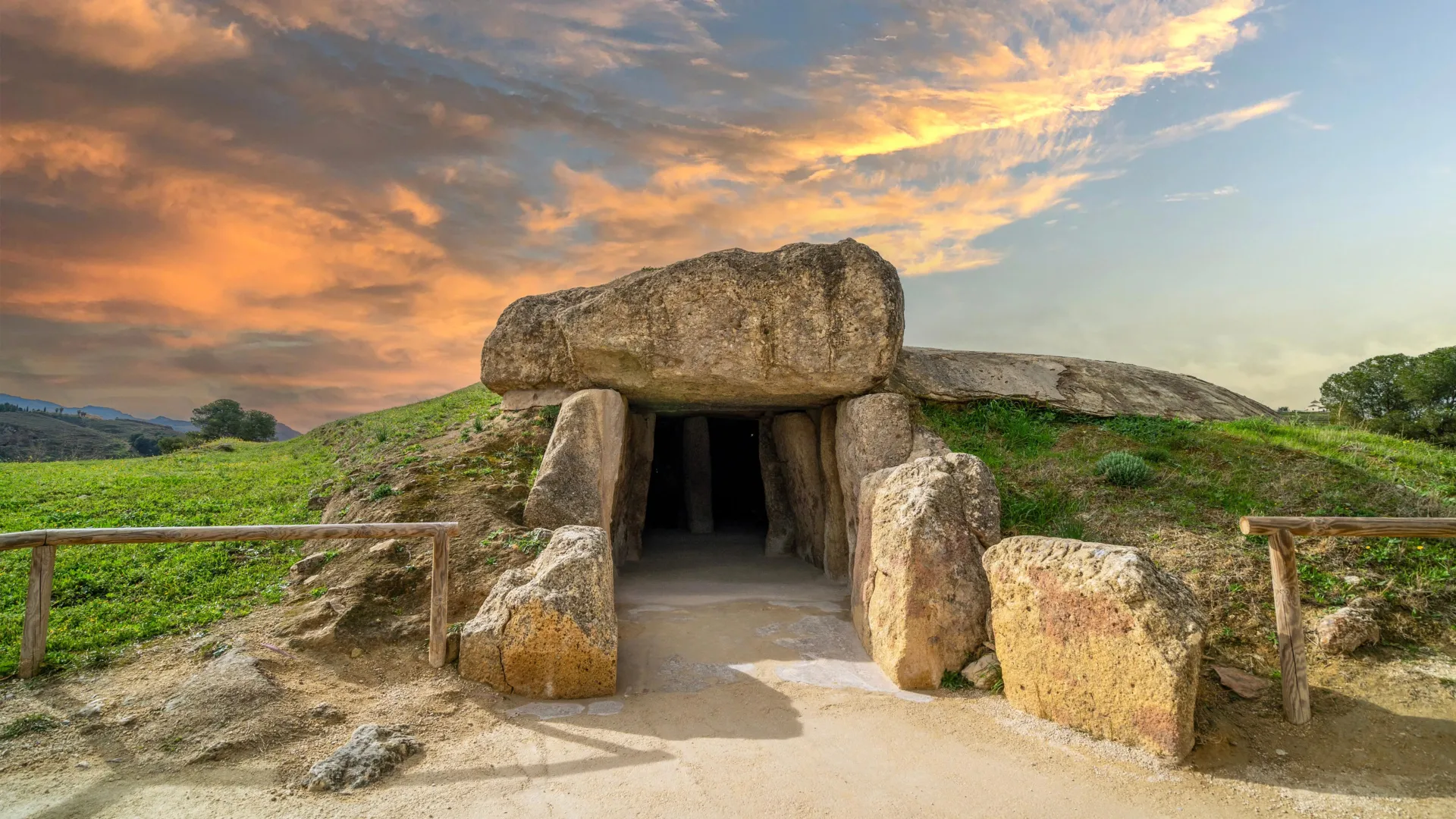
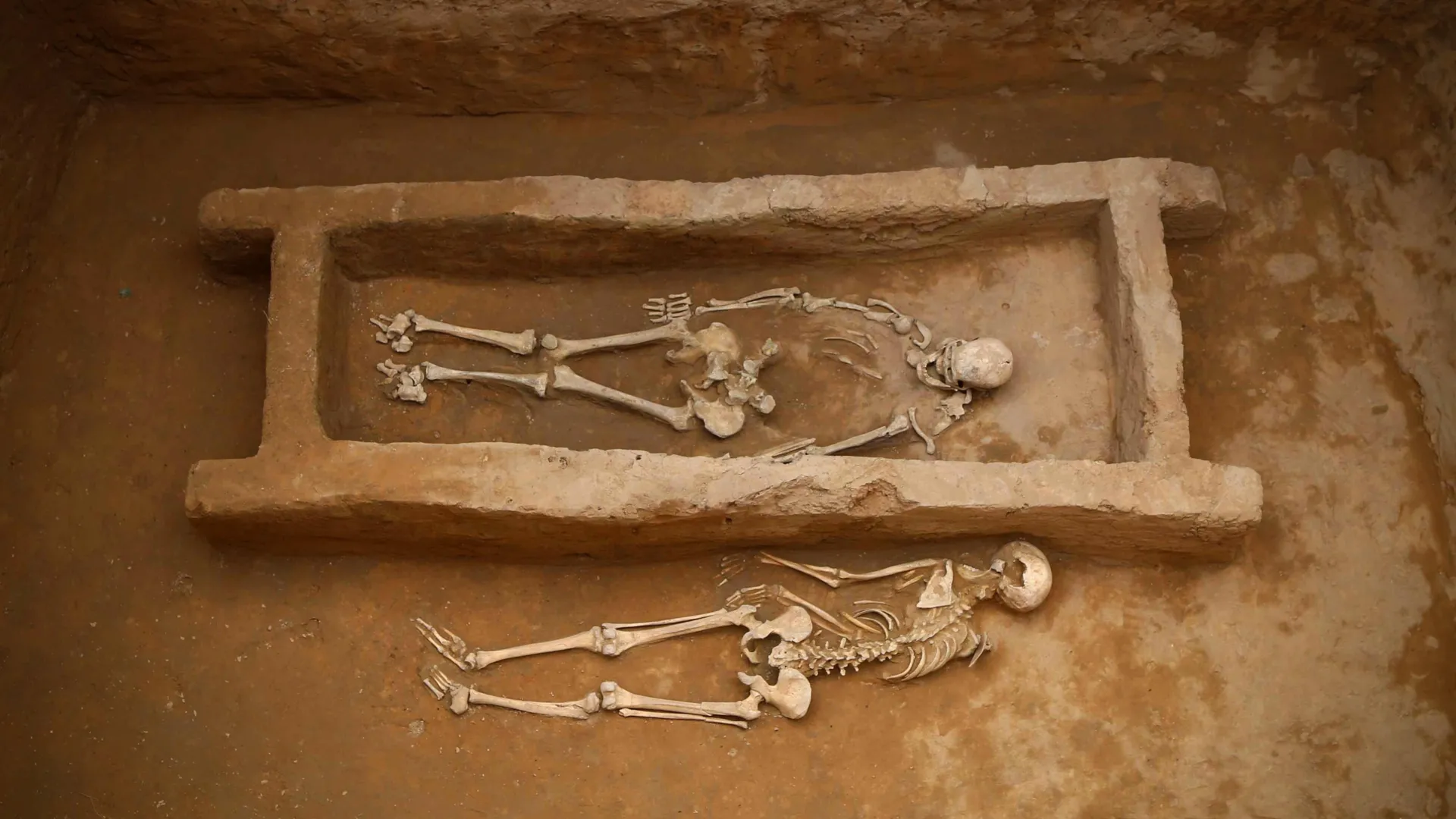
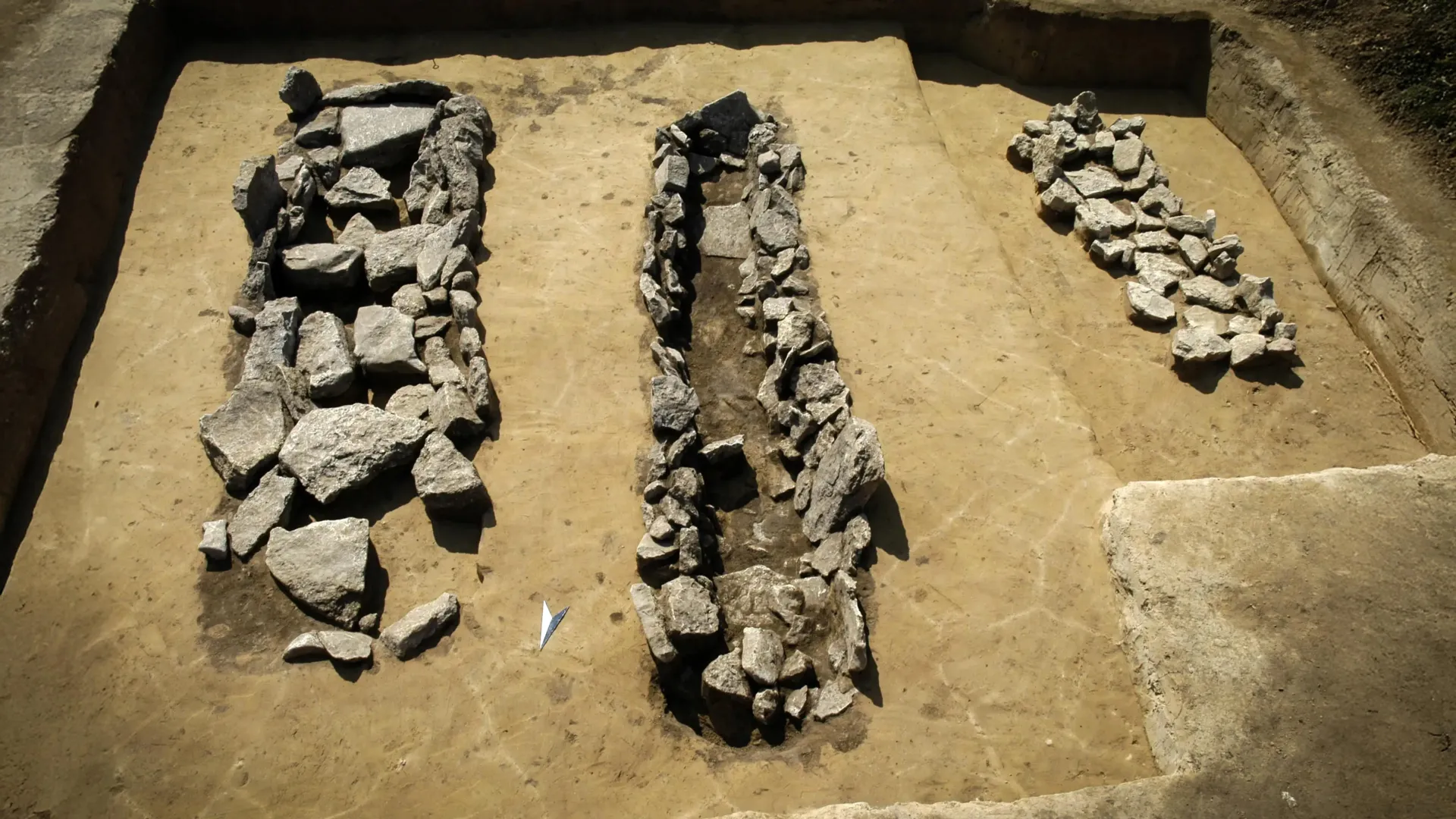
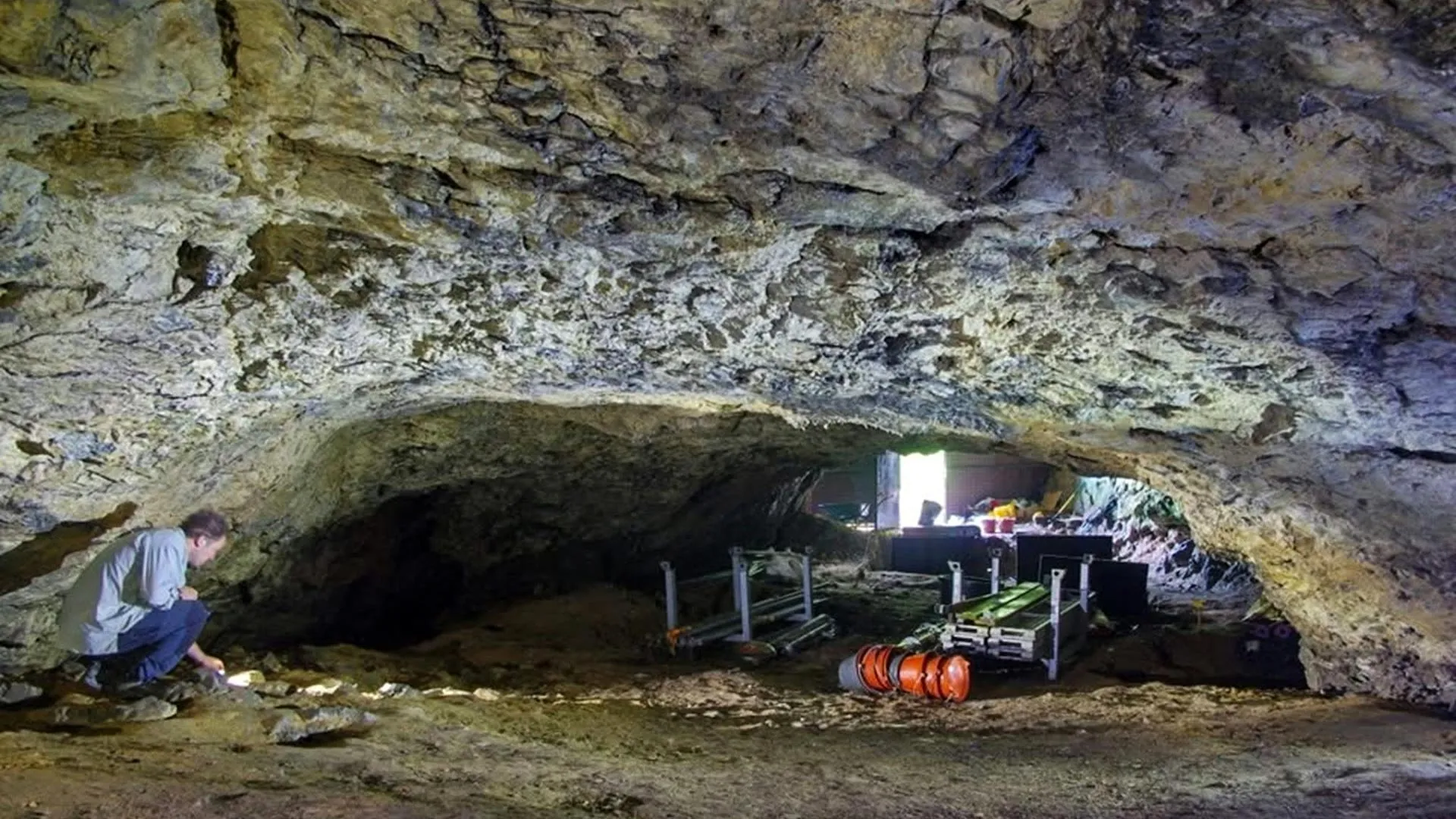
Researchers from the University of Huddersfield, Harvard University, and institutions across Europe analyzed genomes from Neolithic human remains excavated along the River Meuse in Belgium, dating to around 5,000 years ago. The study, led by Professor David Reich and Dr. Iñigo Olalde at Harvard University, expanded to examine sites throughout the Lower Rhine-Meuse area, spanning from late hunter-gatherer cultures through the Bronze Age. The research reveals that hunter-gatherers and early farmers interacted much more closely than genetic evidence had initially suggested.
The analysis shows that when early Neolithic farmers first moved into Europe around 9,000 years ago, they initially had little interaction with local hunter-gatherer populations, maintaining genetic profiles similar to their Anatolian ancestors. However, within 1,000 to 2,000 years, significant changes occurred. Hunter-gatherer ancestry in farming communities increased dramatically from only 10 percent to 30-40 percent in some regions, indicating extensive intermarriage and cultural exchange that previous models had not fully captured.
The genetic patterns suggest that women may have been particularly important in facilitating these cultural exchanges and the spread of farming technology across northwestern Europe. The research indicates that rather than simple population replacement, complex networks of interaction developed between different groups. These interactions likely involved the exchange of knowledge, technologies, and people across cultural boundaries, with women potentially serving as bridges between hunter-gatherer and farming communities through marriage and kinship networks.
Centuries later, the arrival of Bell Beaker migrants from the east triggered another major population transformation that extended all the way to Britain, leading to approximately 90 percent replacement of Britain's Neolithic farmers. This later migration represents one of the most dramatic population changes in European prehistory. The research demonstrates that the peopling of Europe involved multiple waves of complex cultural and genetic exchange rather than simple mass migrations, fundamentally reshaping our understanding of how agricultural societies developed and spread across the continent.