Bronze Age Burials Reveal 3,000-Year-Old European Communities Rooted in Local Landscapes
Scientists study rare non-cremated graves to uncover how Late Bronze Age people lived, moved, and adapted to cultural changes.
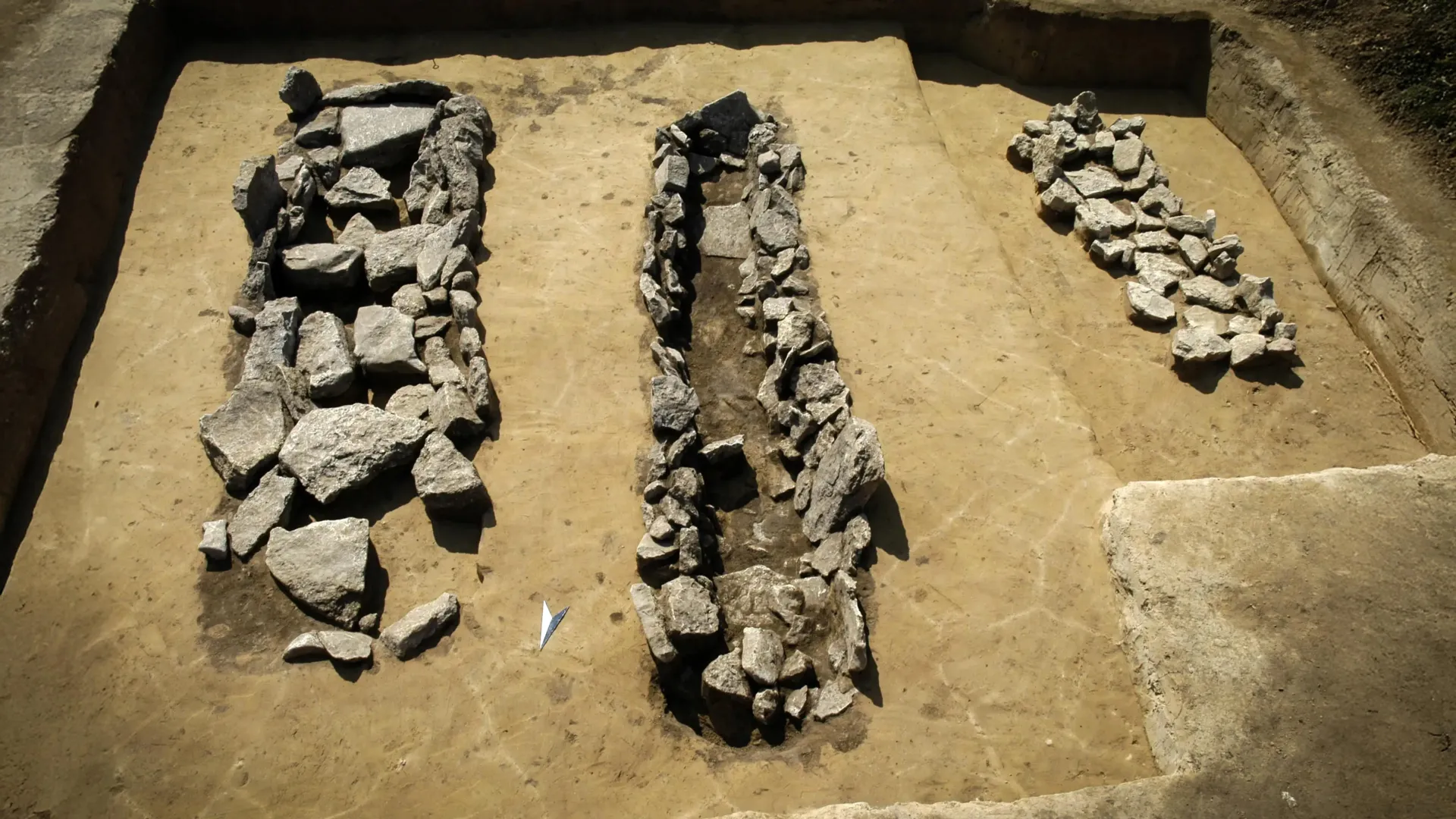
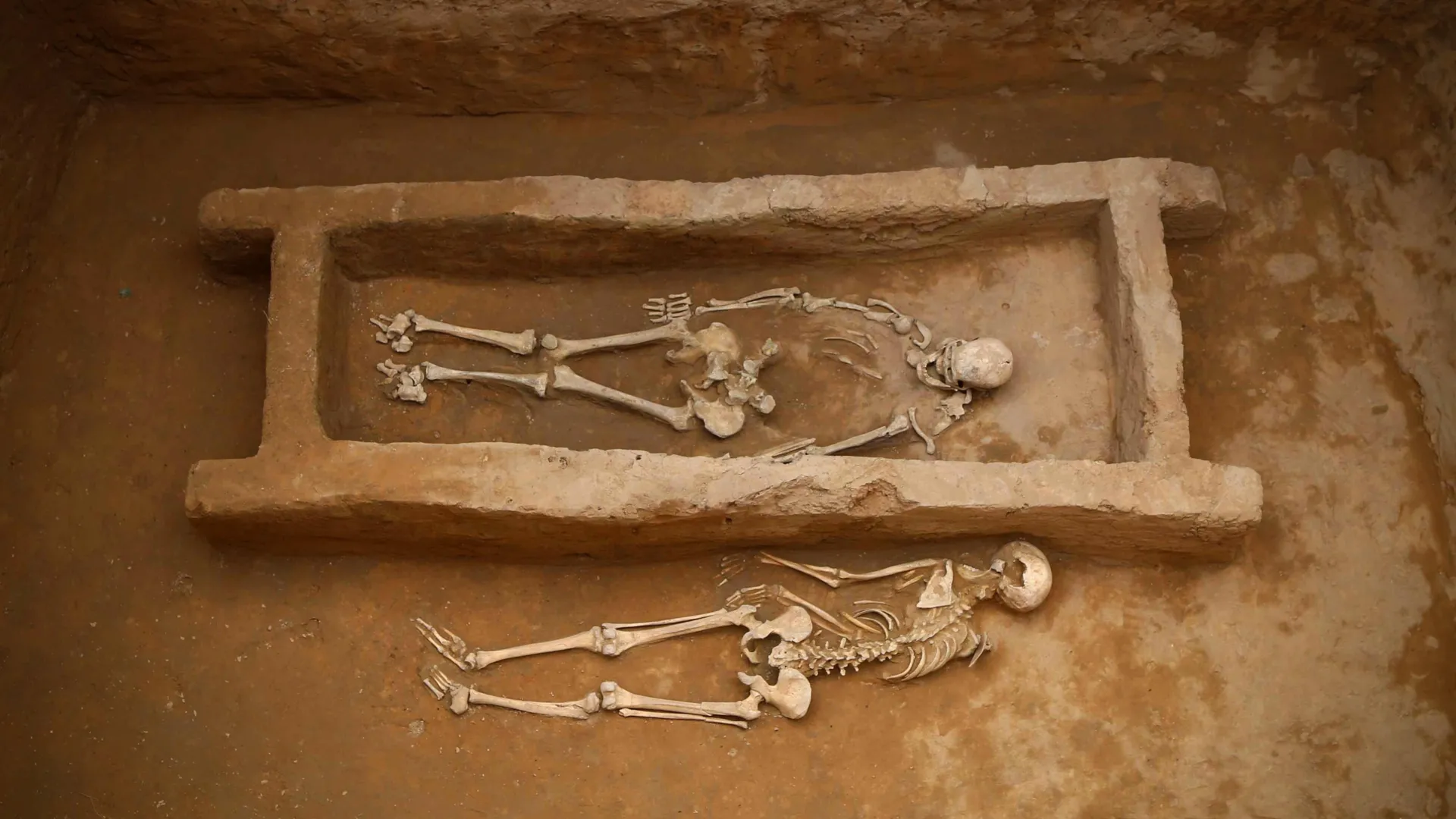
An international team of researchers has uncovered remarkable details about Bronze Age life in Central Europe by analyzing rare burials that escaped the widespread cremation practices of the Late Bronze Age Urnfield culture. The study, published in Nature Communications, reveals communities that remained largely rooted in their local landscapes while experimenting with new foods and burial traditions around 3,000 years ago.
The research combined ancient DNA analysis, isotope studies, and skeletal evidence from non-cremated burials discovered in Germany, Czechia, and Poland. Scientists also examined cremated remains from Central German sites including Kuckenberg and Esperstedt to build a comprehensive picture of how people lived during this transformative period between 1300-800 BCE.
"This study allows us to see how people lived through change," says Eleftheria Orfanou, PhD candidate at the Max Planck Institute for Evolutionary Anthropology and lead author of the study. "The Late Bronze Age was not experienced as a single moment of change, but as a series of choices, about food and subsistence strategies, burial, and social relationships, made within communities that were closely connected to their landscapes."
Genetic evidence pointed to gradual regional changes in ancestry rather than sudden population replacement. In Central Germany, these shifts became noticeable mainly during later stages of the Late Bronze Age, suggesting communities maintained strong local traditions while developing connections to regions south and southeast of the Danube through trade and cultural exchange.
Isotope analysis revealed that most individuals studied appeared to be local to the areas where they were buried, indicating that cultural innovations spread primarily through contact and interaction rather than large-scale migration. The research also documented the introduction of broomcorn millet during this period, representing a significant dietary innovation that had recently arrived in Europe from northeast Asia and would become an important crop throughout the region.