Ancient Native American Dice Reveal 12,000-Year History of Gambling in America
Binary bone dice from hunter-gatherer sites predate Old World gambling tools by thousands of years, challenging historical assumptions.
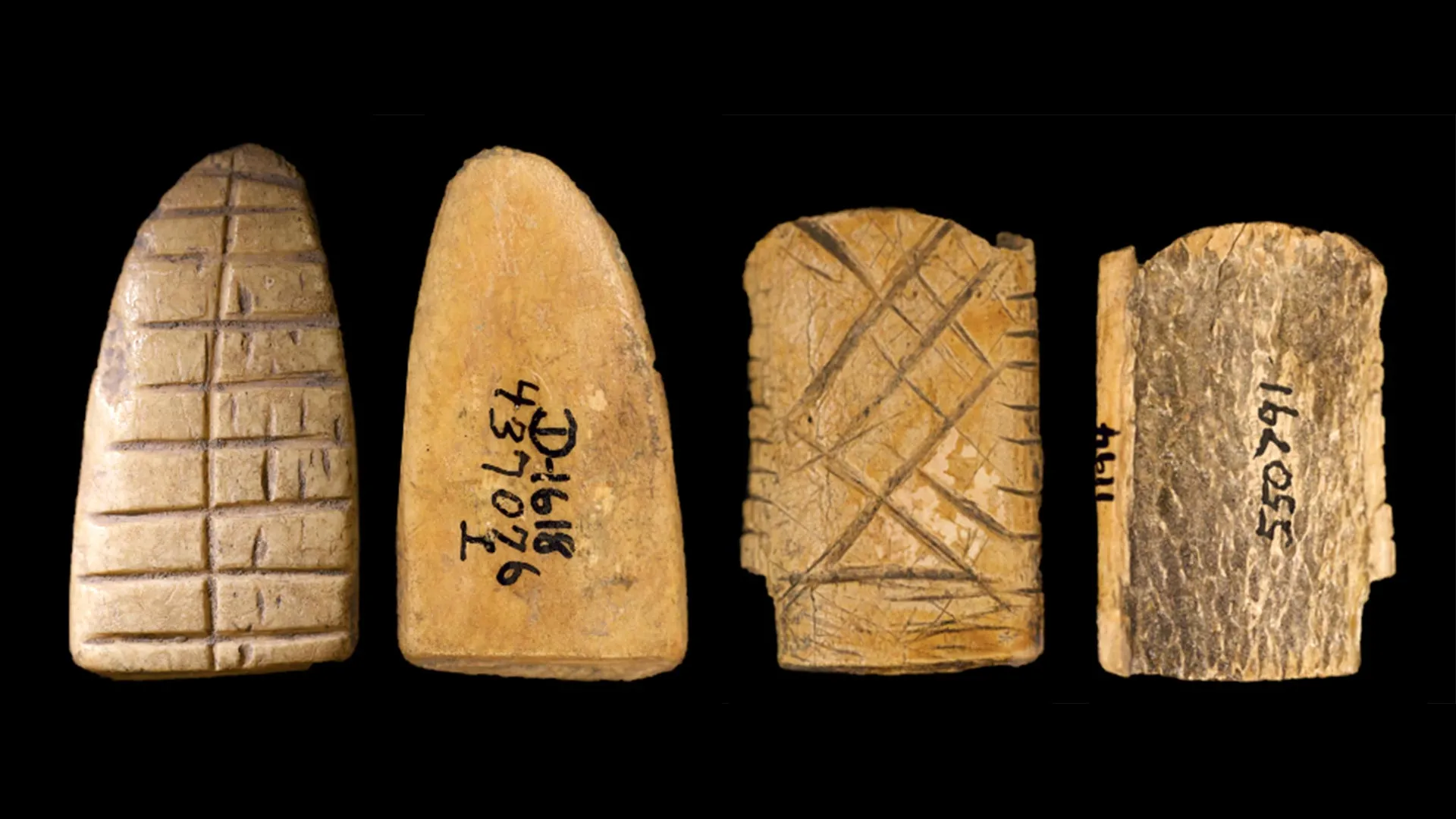
A groundbreaking study published in American Antiquity has revealed that Native American hunter-gatherers were creating and using sophisticated gambling devices more than 12,000 years ago, thousands of years before similar tools appeared anywhere else in the world. The research, led by Colorado State University Ph.D. student Robert J. Madden, challenges long-held assumptions about the origins of probability-based games and demonstrates that organized gambling has much deeper roots in American culture than previously recognized.
The earliest examples of these dice-like objects come from Late Pleistocene Folsom-period archaeological sites in Wyoming, Colorado, and New Mexico, dating to approximately 12,800-12,200 years ago. Unlike modern six-sided dice, these artifacts were two-sided pieces known as 'binary lots,' carefully shaped from bone into small, handheld forms that were flat or slightly rounded. Each piece featured two distinct faces marked by differences in color, texture, or added designs, similar to the heads and tails concept of modern coins.
To distinguish these purposeful gaming tools from accidental bone fragments, Madden developed an innovative attribute-based morphological test. This structured methodology draws from a comparative analysis of 293 sets of historic Native American dice documented by ethnographer Stewart Culin in his 1907 Bureau of American Ethnology monograph. By applying consistent criteria to archaeological collections, researchers can now definitively identify ancient gambling implements that had previously been overlooked or misclassified as general 'gaming pieces.'
The discovery fundamentally reshapes understanding of early American cultural development. These binary lots were not casual byproducts of bone working but deliberately manufactured tools designed to generate random outcomes for structured games. Players would cast multiple pieces simultaneously, with outcomes determined by how many landed showing the designated 'counting' face. This sophisticated understanding of probability and chance demonstrates that complex social activities involving risk and reward were integral to hunter-gatherer societies thousands of years before agriculture developed.
The implications extend beyond gaming history to broader questions about cognitive development and social organization in ancient America. The existence of standardized gambling tools suggests that early Native American communities had developed formal rules, shared mathematical concepts, and social structures sophisticated enough to support organized games of chance. This research not only predates Old World dice by millennia but also provides new evidence that complex cultural practices evolved independently in the Americas, contributing to a more complete picture of human innovation and social development during the end of the last Ice Age.