All Six 2026 Goldman Environmental Prize Winners Are Women — A First in the Award's 37-Year History
From blocking Alaska's Pebble Mine to forcing Rio Tinto to clean up a decades-old mining disaster in Papua New Guinea, the six recipients of the 'Green Nobel' represent a new generation of frontline environmental activism.
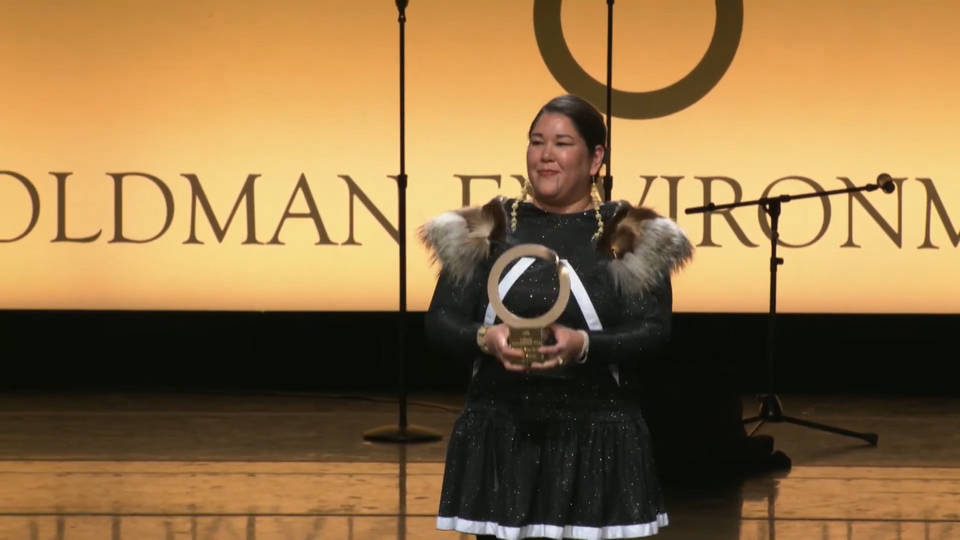
For the first time in the 37-year history of the Goldman Environmental Prize — often called the Nobel Prize of environmentalism — all six regional winners are women. The 2026 recipients, announced Monday in San Francisco, each received $200,000 and represent a remarkable diversity of causes: from protecting endangered bats in Nigeria to blocking commercial fracking in Colombia, from forcing a global mining giant to clean up its mess in Papua New Guinea to winning a landmark Supreme Court ruling in the United Kingdom. The Goldman Prize, established in 1989 by Richard and Rhoda Goldman of San Francisco, is awarded annually to grassroots environmental activists from each of the world's six inhabited regions.
In Africa, Iroro Tanshi of Nigeria was honored for her years of work protecting the short-tailed roundleaf bat, a species she helped rediscover after fears of extinction, and for organizing community fire brigades that prevented devastating wildfires in the Afi Mountain Wildlife Sanctuary between 2022 and 2025. In Asia, Borim Kim of South Korea was recognized for founding Youth 4 Climate Action and leading the first successful youth-driven climate litigation in Asia — a Constitutional Court case that found the government's climate policies violated the constitutional rights of future generations. In Europe, Sarah Finch of the United Kingdom received the prize for a decade-long campaign against oil drilling in southeastern England that culminated in the June 2024 "Finch ruling" from the UK Supreme Court, which now requires authorities to consider global climate impacts before approving any new fossil fuel extraction projects.
In the Islands and Island Nations region, Theonila Roka Matbob of Papua New Guinea was honored for her campaign against Rio Tinto, the world's second-largest mining company, compelling it to address the environmental and social devastation left behind by the Panguna copper mine — a site that was closed 35 years ago but has continued to contaminate rivers and damage communities. In North America, Alannah Acaq Hurley of Alaska was recognized for leading a 15-tribal-nation coalition that successfully blocked the proposed Pebble Mine, a massive copper and gold project that would have threatened Bristol Bay, home to the world's largest sockeye salmon run and one of the most ecologically sensitive fisheries on Earth. A 2023 EPA veto protected approximately 25 million acres of habitat. In South and Central America, Yuvelis Morales Blanco of Colombia — just 24 years old — was recognized for organizing community protests following a 2018 oil spill that devastated her hometown, and for successfully elevating the issue of fracking to a national political question, helping halt commercial fracking introduction in Colombia and making it a defining issue in the country's 2022 elections.
Goldman Prize committee members said the all-women cohort was not a result of deliberate engineering but rather a reflection of the current global moment. Women, the committee noted, are disproportionately represented among frontline environmental defenders worldwide, and are often the people most directly affected by pollution, extraction, and climate disruption because of their roles in managing water, food, and community health. "These six women are not waiting for governments to act," Goldman Prize board chair John Goldman said. "They are doing the work themselves, in their communities, at great personal cost."
Several of the winners described facing threats, intimidation, and official obstruction in the course of their work. Roka Matbob of Papua New Guinea said her years of advocacy against Rio Tinto had made her a target of corporate pressure and political opposition. Morales Blanco said she had received threats after organizing against oil extraction companies in Colombia. Despite those challenges, each described the Goldman Prize as validation not just for themselves but for the communities they represent. The 2026 announcement ceremony will be held in Washington, D.C., where the winners will also meet with members of Congress and international policymakers.