110,000-Year-Old Discovery Proves Neanderthals and Humans Worked Together, Shared Technology
First-ever research from Israel's Tinshemet Cave reveals active cooperation between species, challenging long-held views about early human relationships.

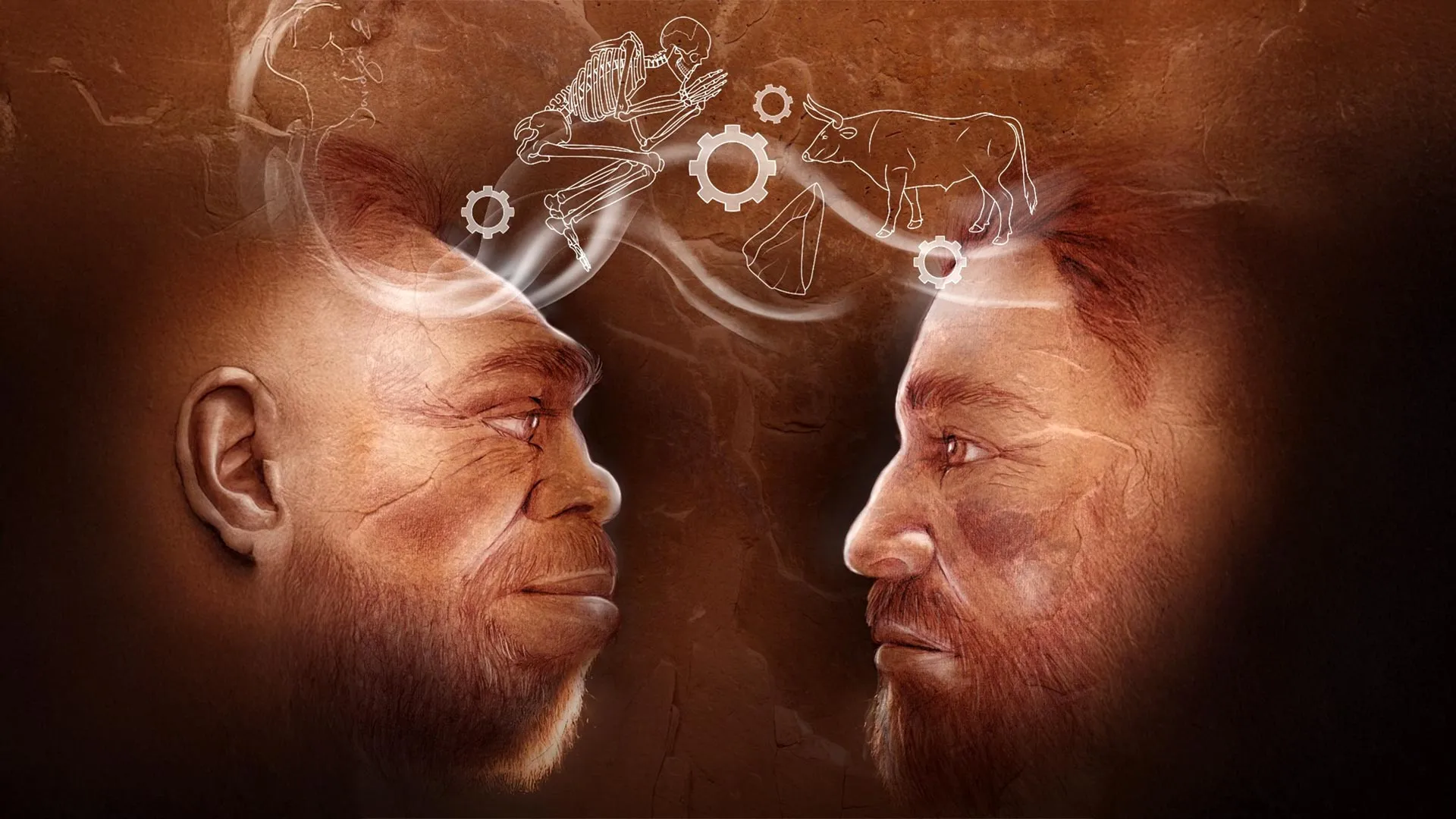
Groundbreaking research from Israel's Tinshemet Cave is fundamentally changing scientists' understanding of early human relationships, revealing that Neanderthals and Homo sapiens didn't just coexist 110,000 years ago—they actively collaborated, shared technology, and even adopted similar burial practices. The first published study from this remarkable archaeological site shows evidence of direct interaction between these human species, challenging decades of assumptions about early human behavior and suggesting that cooperation, not competition, drove many of the most important advances in human culture and technology.
Excavations at Tinshemet Cave, led by Prof. Yossi Zaidner of Hebrew University of Jerusalem, Prof. Israel Hershkovitz of Tel Aviv University, and Dr. Marion Prévost, have produced an unprecedented collection of archaeological and human remains. Most significantly, researchers have uncovered several human burials—the first mid-Middle Paleolithic burials discovered in over fifty years. These findings represent the earliest known formal burial practices anywhere in the world, dating to approximately 110,000 years ago, and appear to have emerged from cross-cultural exchange between different human groups.
The research team examined evidence across four critical areas: stone tool production, hunting strategies, symbolic behavior, and social complexity. Their analysis, published in Nature Human Behaviour, suggests that multiple human groups including Neanderthals, pre-Neanderthals, and Homo sapiens maintained ongoing contact throughout the mid-Middle Paleolithic period. These interactions allowed ideas and skills to spread between groups, gradually creating greater cultural similarity and driving innovation in tool-making, hunting techniques, and social practices.
One of the most striking discoveries at Tinshemet Cave is the widespread use of mineral pigments, particularly ochre, which researchers believe may have been used for body decoration and symbolic expression. This finding suggests that symbolic behavior and artistic expression emerged from cultural exchange between human species rather than developing independently. The shared use of ochre and similar burial practices across different groups points to a level of cultural integration that was previously unknown in the archaeological record.
The implications of these findings extend far beyond archaeology, offering new insights into human nature itself. The research suggests that cooperation and cultural exchange, rather than isolation and competition, were the primary drivers of human advancement during critical periods of our evolution. This challenges popular narratives about human development and suggests that our species' greatest achievements may have resulted from working together across group boundaries, a lesson that remains relevant for understanding human behavior and potential today.