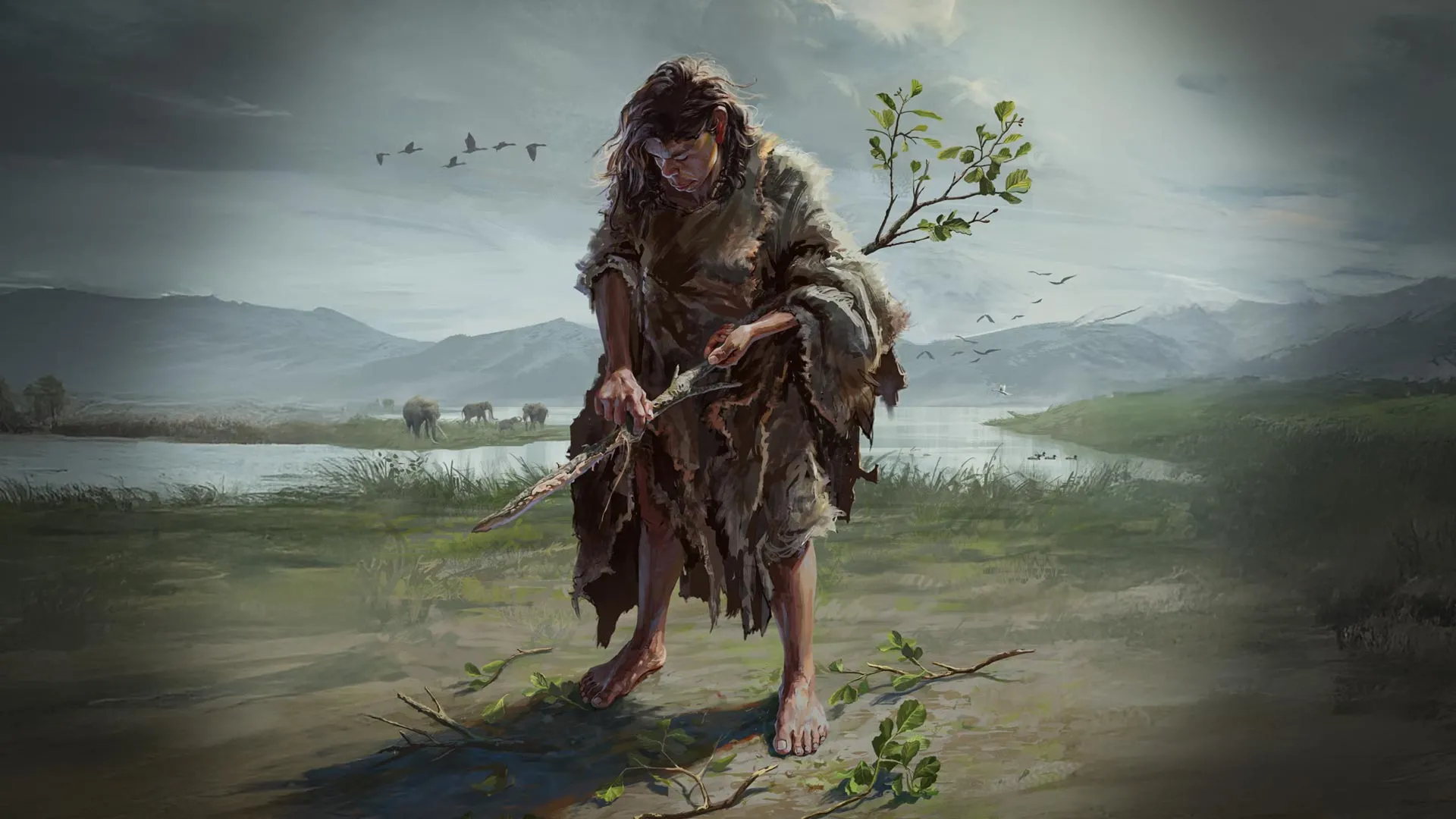
Neanderthals and Humans Actively Collaborated 110,000 Years Ago, Cave Study Reveals
First research from Tinshemet Cave shows early human groups shared technology, burial practices, and cultural innovations in unprecedented detail.
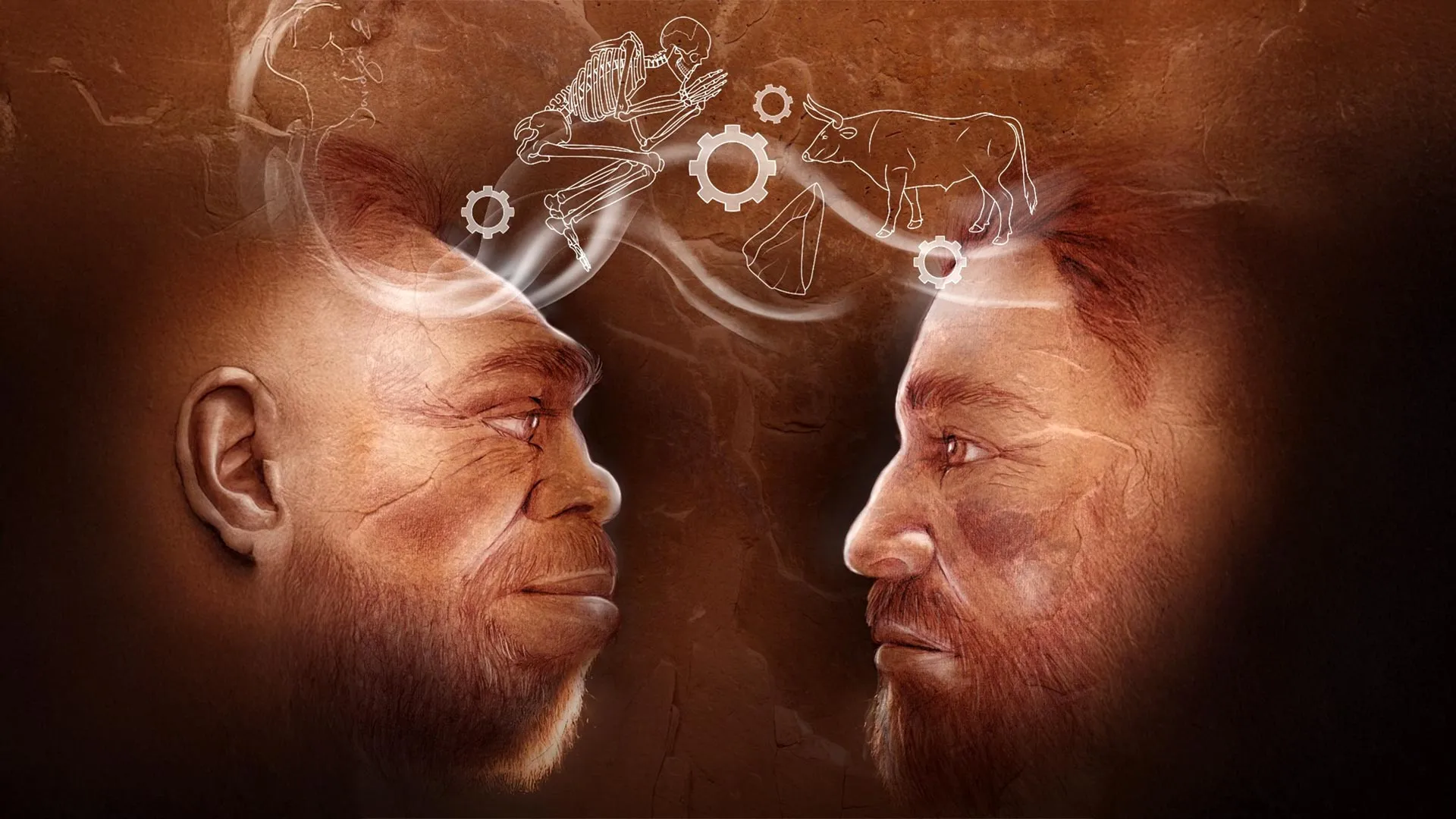
Groundbreaking research from Tinshemet Cave in central Israel has revealed that Neanderthals and Homo sapiens not only coexisted 110,000 years ago but actively collaborated, sharing technology, lifestyles, and burial customs. The study, published in Nature Human Behaviour, represents the first published research from the site and challenges long-held assumptions about early human interactions. Rather than competing or remaining isolated, these groups engaged in complex cultural exchanges that fostered innovation and social development.
The archaeological evidence from Tinshemet Cave includes several human burials that mark the first mid-Middle Paleolithic burials discovered in more than fifty years. These findings provide unprecedented insight into how early human groups lived and treated their dead. Excavations led by Professor Yossi Zaidner of Hebrew University, Professor Israel Hershkovitz of Tel Aviv University, and Dr. Marion Prévost revealed that multiple human groups, including Neanderthals, pre-Neanderthals, and Homo sapiens, maintained ongoing contact throughout the region.
Researchers examined evidence across four critical areas: stone tool production, hunting strategies, symbolic behavior, and social complexity. Their analysis demonstrates that interactions between these groups allowed ideas and skills to spread, gradually making different populations more culturally similar over time. This process of cultural convergence suggests that collaboration, rather than competition, was a driving force behind early technological and behavioral innovations.
One of the most significant discoveries involves the emergence of formal burial practices around 110,000 years ago, representing the first such rituals documented anywhere in the world. This development appears to reflect stronger social bonds and shared traditions among groups. Additionally, the widespread use of mineral pigments, particularly ochre, suggests these early humans engaged in symbolic behavior, possibly decorating bodies as a form of identity expression or ritual practice.
The research fundamentally reshapes understanding of early human evolution by highlighting interaction and cooperation as key drivers of cultural advancement. The Levant region emerges as a crucial crossroads where different human populations met, exchanged knowledge, and developed new technologies together. These findings suggest that human progress has long depended on cultural exchange and collaboration rather than isolation, providing new perspective on how modern humans developed the complex societies that characterize our species today.