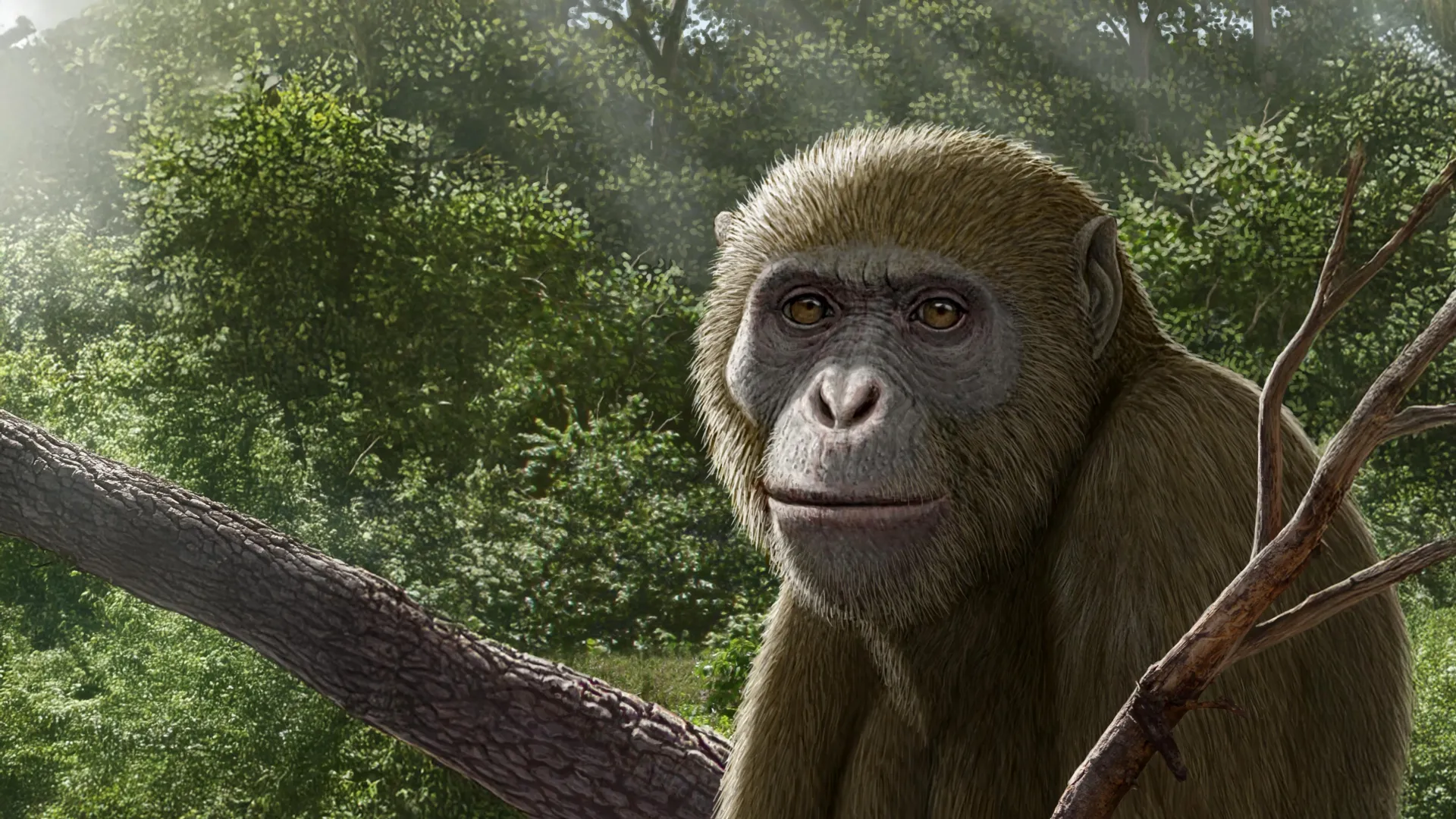
Redated Skulls in China Push Homo Erectus's Arrival in East Asia Back 600,000 Years
New burial-dating of three crania from the Yunxian site puts them at 1.77 million years old — the oldest securely dated human-relative fossils ever found in eastern Asia.
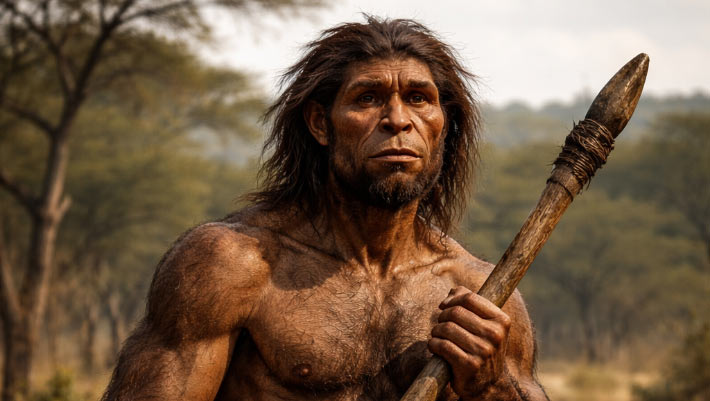
Three nearly complete fossil skulls unearthed in central China are far older than scientists believed — about 1.77 million years old — pushing back the earliest known presence of Homo erectus in eastern Asia by roughly 600,000 years and reshaping the story of how our ancient relatives spread across the globe.
The crania come from the Yunxian site in Hubei province, long recognized as one of the most important early Pleistocene hominin sites in the region. In a study published in the journal Science Advances, researchers reported that the fossils date to 1.77 million years ago, give or take 80,000 years, making them the oldest securely dated, in-situ Homo erectus crania ever found in eastern Asia.
The new age comes from a more rigorous dating technique. Earlier estimates had leaned on animal fossils found nearby and on methods such as electron spin resonance and uranium-series dating, which pointed to substantially younger ages. This time, the team applied isochron 26Al/10Be burial dating to quartz gravels drawn from two sediment layers at the site — a method that measures how long buried minerals have been shielded from cosmic rays, yielding a far older and more robust result.
The implications ripple outward. Homo erectus is widely regarded as the first of our ancestors to walk fully upright with modern body proportions and to migrate out of Africa. Finding the species firmly established in China nearly 1.8 million years ago supports the idea that early Homo erectus dispersed rapidly and spread widely, reaching the far end of the Asian continent much sooner than many researchers had assumed.
The revision also helps close a stubborn gap in the record. By placing the Yunxian crania so early, the study narrows the chronological distance between the oldest stone-tool archaeology in the region and the hominin fossils themselves, knitting together evidence that had seemed separated by hundreds of thousands of years. One researcher described the older age as an "absolute surprise."
Three well-preserved skulls from a single site are a rare prize in paleoanthropology, where discoveries are often limited to fragments of bone or isolated teeth. As scientists continue to study the Yunxian fossils — their anatomy, their context and now their newly established antiquity — they offer an unusually rich vantage point on a pivotal chapter in human evolution, when our ancestors first fanned out across continents and began to make the wider world their home. For now, the redated crania stand as a vivid reminder that even long-studied fossils can still upend the timeline of our own deep past.