Scientists Map Leonardo da Vinci's Family Tree to Unlock Genetic Secrets
30-year project traces Renaissance genius through 21 generations, identifies living descendants, and excavates ancient family tomb for DNA analysis.
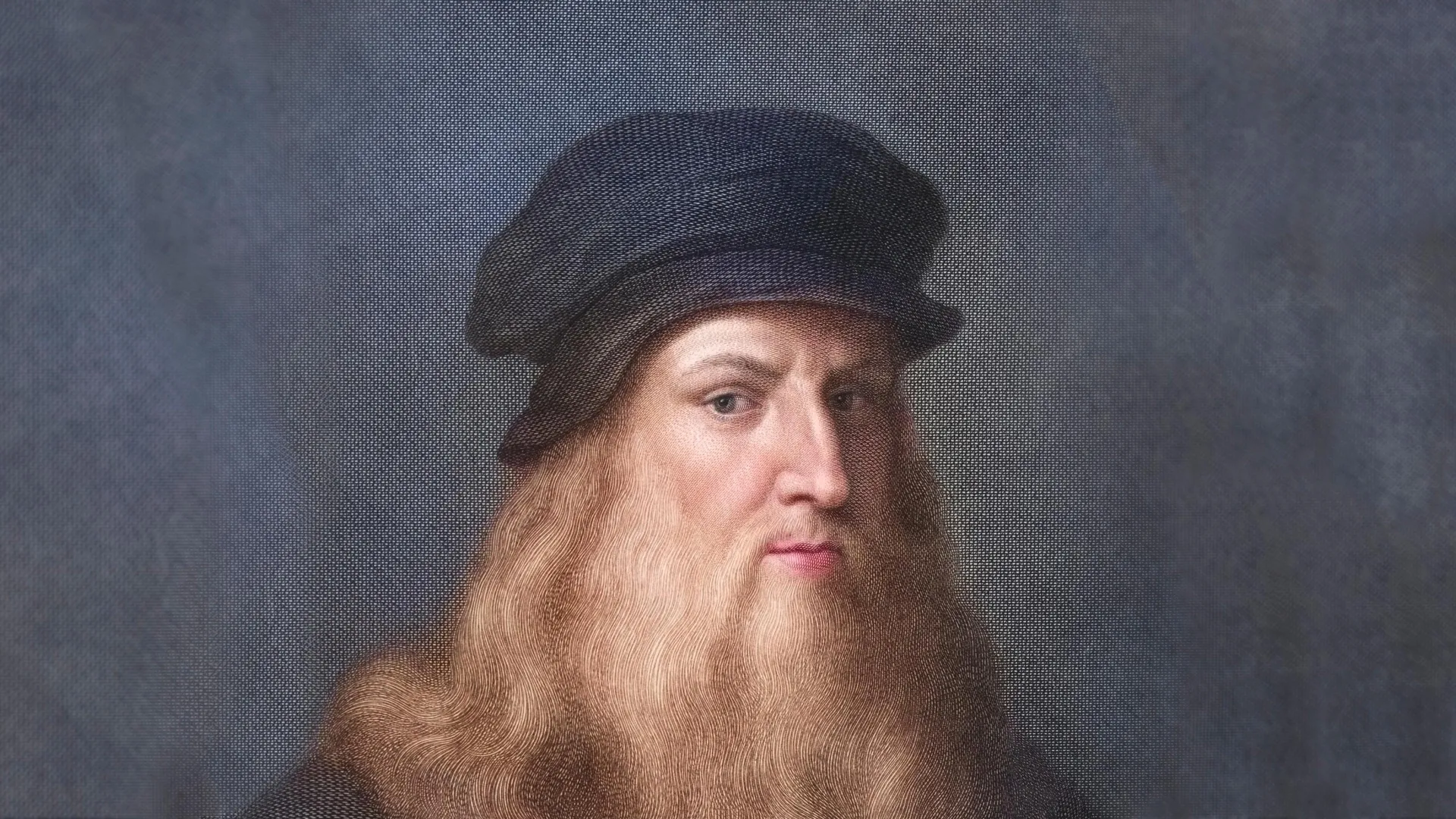
After three decades of meticulous research, an international team of scientists has successfully mapped Leonardo da Vinci's family tree across 21 generations and identified 15 living male descendants, bringing researchers closer than ever to unlocking the genetic secrets behind one of history's greatest minds. The ambitious Leonardo DNA Project, led by Alessandro Vezzosi and Agnese Sabato of the Leonardo Da Vinci Heritage Association, has reconstructed an extensive genealogy spanning more than 400 individuals dating back to 1331. The work creates an unprecedented foundation for potentially reconstructing the Renaissance genius's genetic profile through careful analysis of both living relatives and ancient remains.
The breakthrough came through painstaking examination of archival records and historical documents, which allowed researchers to trace previously unknown branches of Leonardo's family. Working with the University of Florence, the team identified direct paternal lineage connections to Leonardo's father and half-brother Domenico Benedetto. DNA analysis of six living descendants revealed matching segments of the Y chromosome, confirming a continuous male lineage within the Da Vinci family extending back at least 15 generations. This genetic continuity provides researchers with a reliable baseline for comparing ancient DNA samples.
Simultaneously, archaeologists have been excavating a Da Vinci family tomb at the Church of Santa Croce in Vinci, believed to contain remains of Leonardo's grandfather Antonio, uncle Francesco, and several half-brothers including Antonio, Pandolfo, and Giovanni. The excavation, conducted in collaboration with the University of Florence, has recovered bone fragments that have undergone radiocarbon dating. Preliminary paleogenomic testing of one specimen, consistent in age with Leonardo's relatives, suggests the individual was male and may provide crucial comparative DNA data.
The research represents a convergence of genealogical detective work, advanced genetics, and archaeological science. David Caramelli, who coordinates the molecular aspects of the project and leads the Department of Biology at the University of Florence, worked with forensic anthropologist Elena Pilli to analyze DNA from the living descendants. The team's careful methodology ensures that any genetic analysis maintains the highest scientific standards while respecting the cultural significance of Leonardo's legacy.
If successful, the project could provide unprecedented insights into the biological foundations of Leonardo's extraordinary abilities. The research team emphasizes that the goal is not to diminish Leonardo's achievements but to better understand how genetics might have contributed to his remarkable talents in art, engineering, and scientific observation. The work also demonstrates how modern genetic techniques can illuminate historical mysteries and provide new perspectives on figures who have fascinated humanity for centuries. The project continues to analyze recovered remains, with researchers optimistic that additional DNA evidence may soon allow for definitive genetic connections to the Renaissance master.