DNA Solves 250-Year Mystery of Seychelles' Vanished Crocodiles
Scientists discover the extinct island reptiles were saltwater crocodiles that drifted thousands of kilometers across the Indian Ocean before being wiped out by settlers.
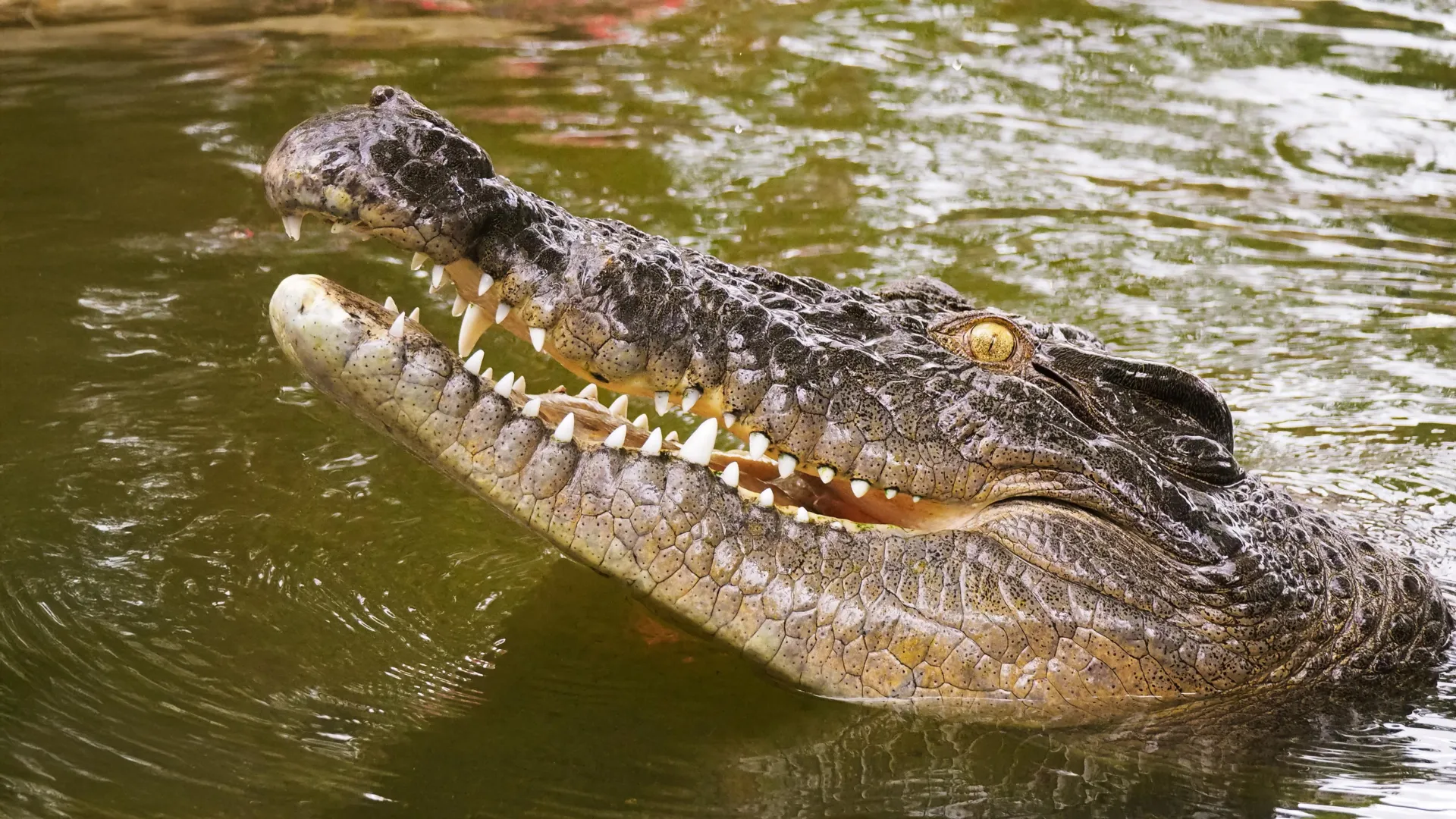
Scientists have finally solved a 250-year-old mystery about crocodiles that once thrived in the Seychelles but vanished shortly after human settlement. Using DNA analysis of historic museum specimens, researchers discovered that these reptiles were not a unique species as once suspected, but rather an isolated population of saltwater crocodiles that had traveled thousands of kilometers across the Indian Ocean.
The Seychelles crocodiles were a common sight when early explorers first described them, but they disappeared rapidly after permanent settlers arrived in 1770. Within approximately 50 years, the entire population had been completely exterminated, leaving behind only questions about their origins and identity.
Researchers from Germany and the Seychelles investigated the evolutionary history by comparing DNA from modern saltwater crocodiles with genetic material extracted from preserved specimens of the extinct Seychelles population. The analysis confirmed that these crocodiles belonged to Crocodylus porosus, the world's largest living reptile and one of its most capable ocean travelers.
The genetic evidence revealed that the founders of the Seychelles population must have drifted at least 3,000 kilometers across the Indian Ocean to reach the remote archipelago, possibly traveling much farther. Saltwater crocodiles are uniquely equipped for such journeys, possessing specialized salt glands that allow them to survive extended periods in seawater by removing excess salt from their bodies.
Before the Seychelles population was eliminated, saltwater crocodiles occupied an even more extensive range than today, stretching more than 12,000 kilometers from Vanuatu in the Pacific Ocean to the Seychelles in the Indian Ocean. The study demonstrates how these remarkable reptiles used ocean currents over generations to colonize distant islands, establishing populations across vast stretches of coastline before human activities dramatically reduced their distribution.